Modi's Gift Diplomacy Boosts India's Global T
Exploring Modi's use of gifts to enhance India's global image.
Model Diplomat3 min readAsia
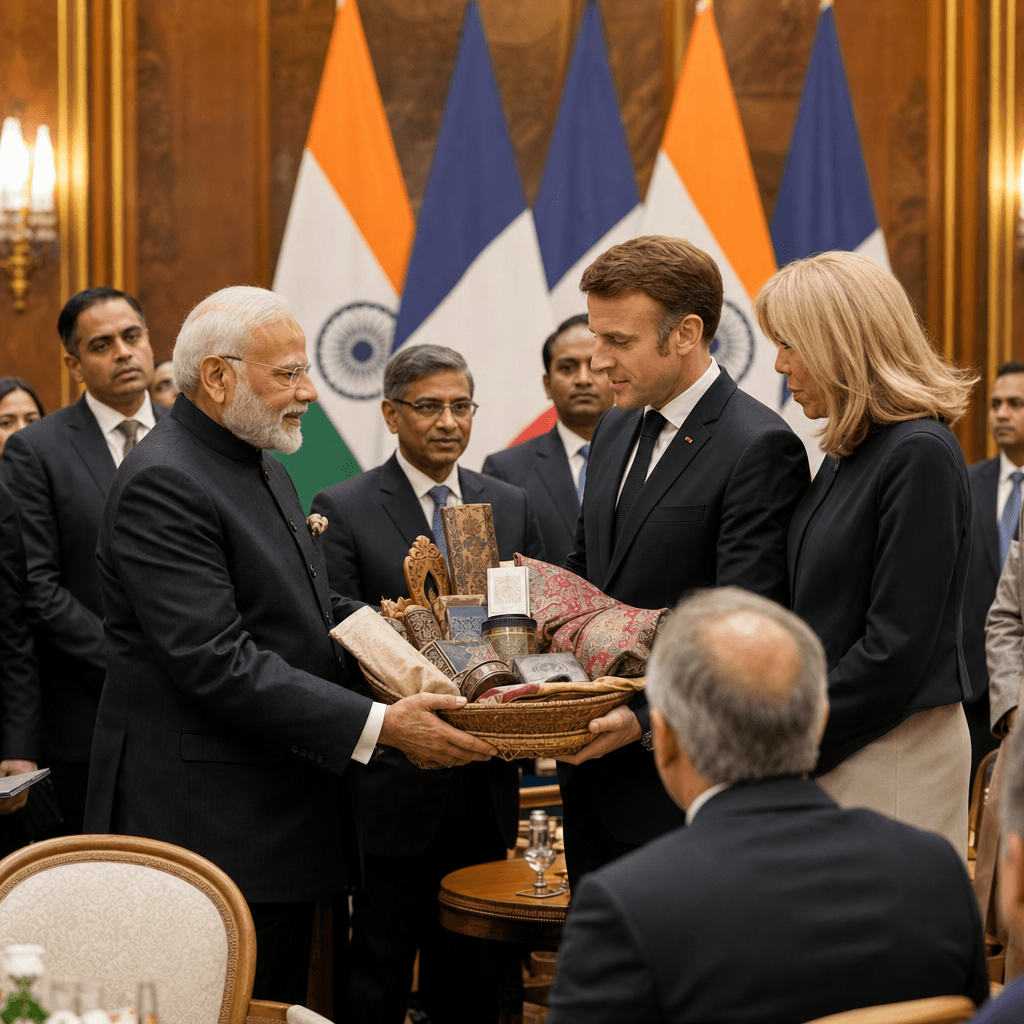
Modi’s Gift Diplomacy Turns India’s Regions Into Leverage
From Muga silk to black rice, Modi used gifts to sell India’s regional brands while pressing trade, tech and energy ties.
Prime Minister Narendra Modi’s five-country tour was not just about meetings and communiqués. It also became a branding exercise: the gifts he carried to leaders in the UAE, the Netherlands, Sweden, Norway and Italy were drawn from India’s textiles, food products and folk arts, turning protocol into a soft-power pitch, as catalogued by The Indian Express. The message was plain: India wants its partners to see the country not only as a market, but as a source of distinctive, exportable regional capital.
A diplomatic package, not a souvenir set
The pattern across the tour was deliberate. Modi’s gifts repeatedly foregrounded GI-tagged goods and craft traditions: Assam’s Muga silk and Manipur’s Shirui Lily stole for Giorgia Meloni; Jaipur blue pottery and a Madhubani painting for Dutch leaders; pressed orchid art, Kalamkari, and Pattachitra for Norway; Rabindranath Tagore’s works and a Shantiniketan leather bag for Sweden; black rice, filigree work, mangoes and pineapples for the UAE, according to The Indian Express and
Awaz The Voice.
That selection is not random. It links foreign policy to domestic political economy: Northeast textiles, artisanal crafts and indigenous foods are being elevated from ceremonial objects to diplomatic assets. For Delhi, that helps two constituencies at once — Indian producers seeking market visibility, and foreign leaders being told that India’s “Make in India” story also runs through craft clusters and agricultural geography.
Why the gifts matter now
This tour was framed around hard interests: energy security, technology, climate action and trade. Al Jazeera reported that India and the UAE signed pacts on defence, energy and shipping, while
Al Jazeera also noted the Tata-ASML semiconductor deal in the Netherlands and a broader push on industrial cooperation.
That context explains the gift strategy. When Modi presents GI-tagged mangoes to the UAE president or a Madhubani painting to the Dutch prime minister, he is not just exchanging pleasantries. He is reinforcing a negotiating frame: India wants deeper access for its goods, more foreign capital, and more respect for its cultural distinctiveness. The gifts act as low-cost signaling in a high-stakes trade and investment agenda. That matters because India is using symbolic diplomacy to support substance — especially in sectors where it wants partners to buy, build and source in India.
The beneficiaries are clear. Indian artisan communities, food producers and textile clusters gain visibility. Modi also benefits politically: he can claim that India’s regional identities are now being projected at the top table. The losers are leaders who treat the trip as pure ceremony; the gifts are part of a broader attempt to lock them into future commercial and strategic deals.
What to watch next
The real test is whether the symbolism converts into orders, investments and follow-through. Watch the next implementation steps on the UAE energy and shipping pacts, the Tata-ASML semiconductor project in the Netherlands, and any trade or investment announcements coming out of the India-Nordic track. If those materialize, the gifts will look like a prelude rather than a photo op. If not, they will remain what they are today: polished proof that Delhi understands the optics of leverage.
Discover more
India
Modi's Women’s Convention in Varanasi
Modi's Varanasi rally frames women's reservation as a national mission, targeting the 2027 Uttar Pradesh elections with a strategic narrative.

India
India-South Korea $50B Trade Expansion Plan
India and South Korea target $50 billion in bilateral trade by 2030, focusing on industrial cooperation and strategic alignment amid US pressures.

Conflict & Security
Drone Warfare Killing Aid Workers at Unprec
Over 1,000 humanitarian workers killed in three years as cheap armed drones collapse legal protections. Gaza, Sudan, Ukraine, and DRC see deliberate targeting of aid convoys and hospitals with zero prosecutions.
Global
World Normalises Taliban as Afghan Women Eras
UN data shows Afghan women erased from public life as Russia recognises the Taliban, EU hosts officials in Brussels, and ICC warrants for gender persecution go unenforced.

