Modi's Tour Strengthens India's Energy, Tech,
Exploring Modi's strategic partnerships for energy and defense.
Model Diplomat3 min readAsia
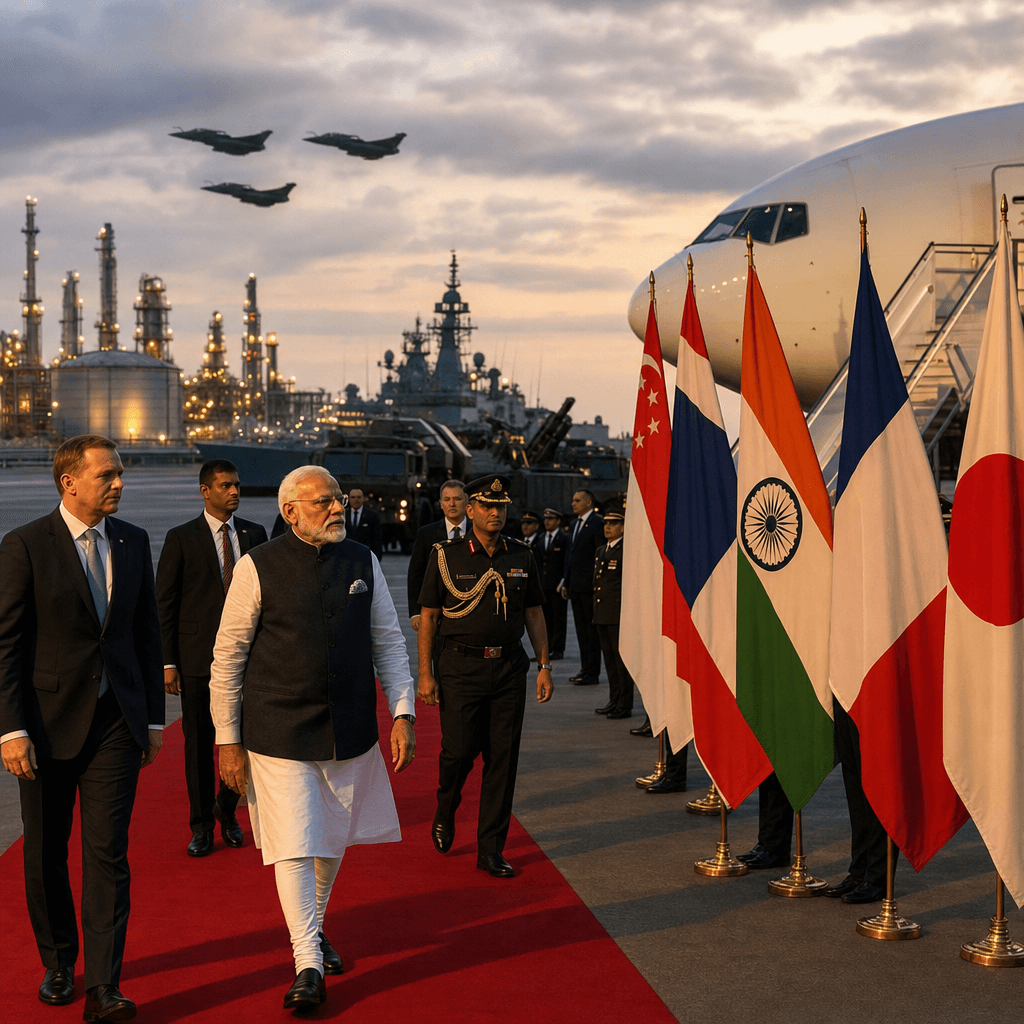
Modi’s Five-Nation Tour Built India’s Three Shields
Energy, chips and defence were the real agenda: Modi used Gulf and European partners to reduce India’s exposure to Hormuz, import high-end technology and localise arms production.
Narendra Modi’s five-country tour was less about optics than leverage. India’s argument, laid out in NDTV Opinion, was that the country had to buy time against a volatile oil market, then convert that time into supply-chain insurance. That logic tracks with the deals reported by
Al Jazeera: the UAE signed pacts with India on defence, energy and shipping, while also discussing strategic petroleum reserves and LNG. For New Delhi, the immediate beneficiary is obvious: a system that is less exposed to disruptions in the Strait of Hormuz, through which a large share of India’s crude still moves.
Energy security is the first shield
The UAE leg mattered because it gave India a partner that can bridge today’s fuel dependence and tomorrow’s transition. NDTV Opinion says Abu Dhabi pledged $5 billion in fresh investment, while
Al Jazeera reports a defence-and-energy framework tied to strategic storage. That is not a symbolic win. It is a hedge against a shock in a market where India imports most of its oil and depends heavily on Gulf sea lanes.
That also explains the Norway stop. NDTV Opinion frames Oslo as a bet on green hydrogen and offshore wind;
Al Jazeera says the India-Nordic summit was designed to deepen cooperation on energy security, the green transition, the blue economy and the Arctic. The power dynamic here is straightforward: India is buying optionality. Gulf states still help keep the lights on, but Northern Europe helps India avoid being trapped in one fuel system.
Chips and trade are the second shield
The economic shield is about dependency in a different form. India is trying to keep manufacturing growth from being choked by imported bottlenecks in semiconductors, critical minerals and logistics. Al Jazeera reported that Tata Electronics signed a deal with Dutch giant ASML for India’s first front-end semiconductor fabrication plant in Dholera, Gujarat, with Tata planning an $11bn investment.
NDTV Opinion adds the broader context: a semiconductor push, critical minerals links with Sweden and a trade corridor with Italy under the India Middle East Europe Economic Corridor.
This matters because it shifts leverage away from foreign suppliers and toward Indian industry. If the Dholera project moves from announcement to production, the winners are Tata, downstream electronics makers and the Indian state. If it stalls, the result is familiar: another headline-heavy industrial promise with little bargaining power gained. For more on the domestic political stakes, see India and
Global Politics.
Defence is the third shield
The defence payoff is more strategic than immediate. NDTV Opinion highlights Saab’s first overseas military-equipment plant in Jhajjar and a new defence roadmap with the Netherlands. That fits a larger pattern: India wants co-production, not just imports.
Al Jazeera quoted Modi saying he wanted an action plan for defence industry cooperation “as quickly as possible,” including space, maritime systems and maritime security.
The immediate losers are the old gatekeepers who profited from India’s dependence on foreign arms and energy chokepoints. The bigger beneficiary is the Indian state, which is trying to turn resilience into a doctrine.
What to watch next
The next test is execution, not ceremony: whether the UAE reserve and shipping pacts are operationalised, whether Tata-ASML gets financing and timelines, and whether the India-EU industrial agenda, including IMEC, produces contracts rather than communiqués. That is the date that matters: the next six months, when these “shields” either harden into capacity or fade into diplomacy.
Discover more
India
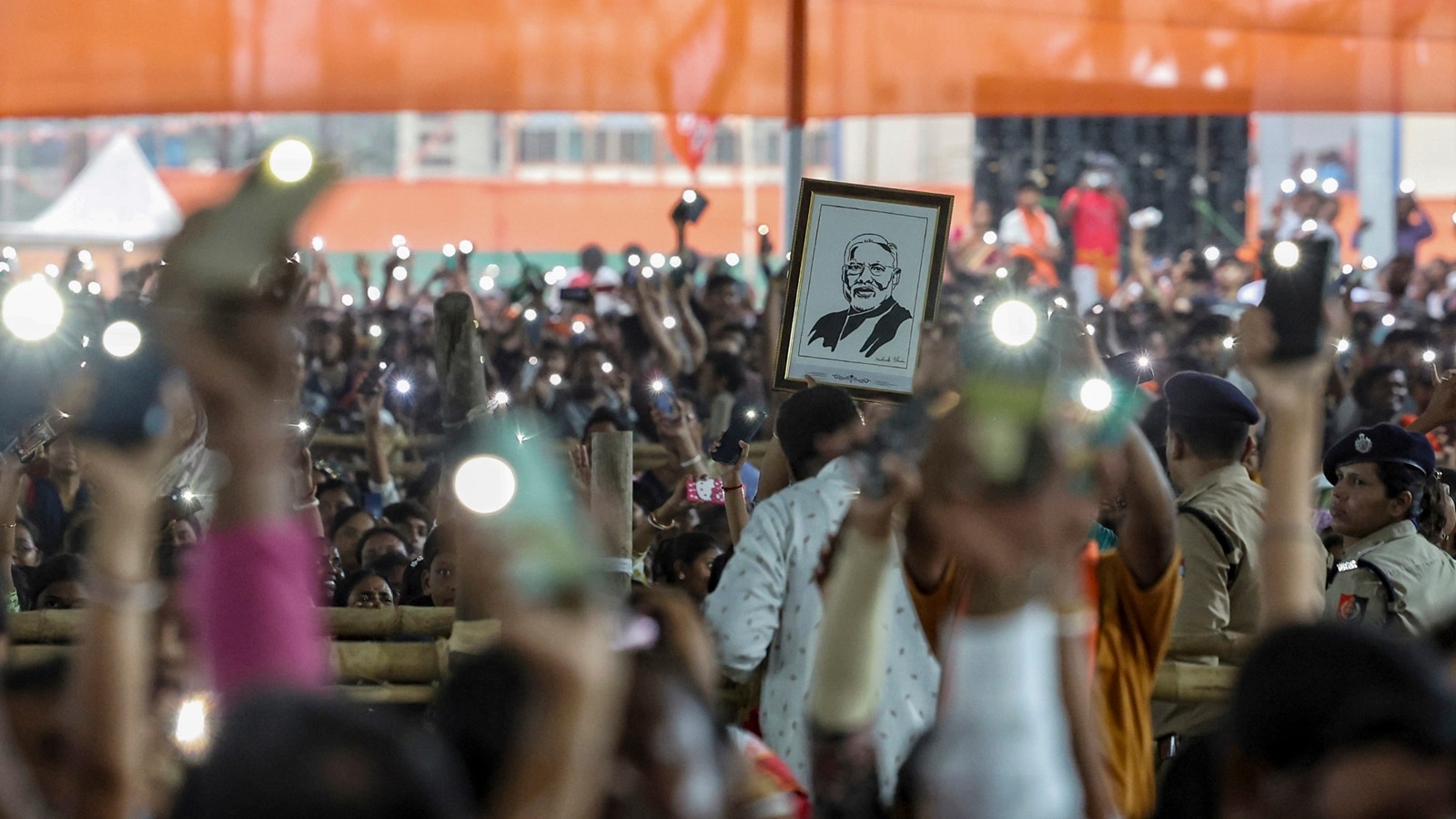
Modi's Women’s Convention in Varanasi
Modi's Varanasi rally frames women's reservation as a national mission, targeting the 2027 Uttar Pradesh elections with a strategic narrative.

Economics
Fed's Amex AML order puts correspondent banking on notice
Federal Reserve's Amex AML order requires board-level controls and a 90-day plan; OCC fined the bank $350 million over enterprise-wide deficiencies.
Conflict & Security
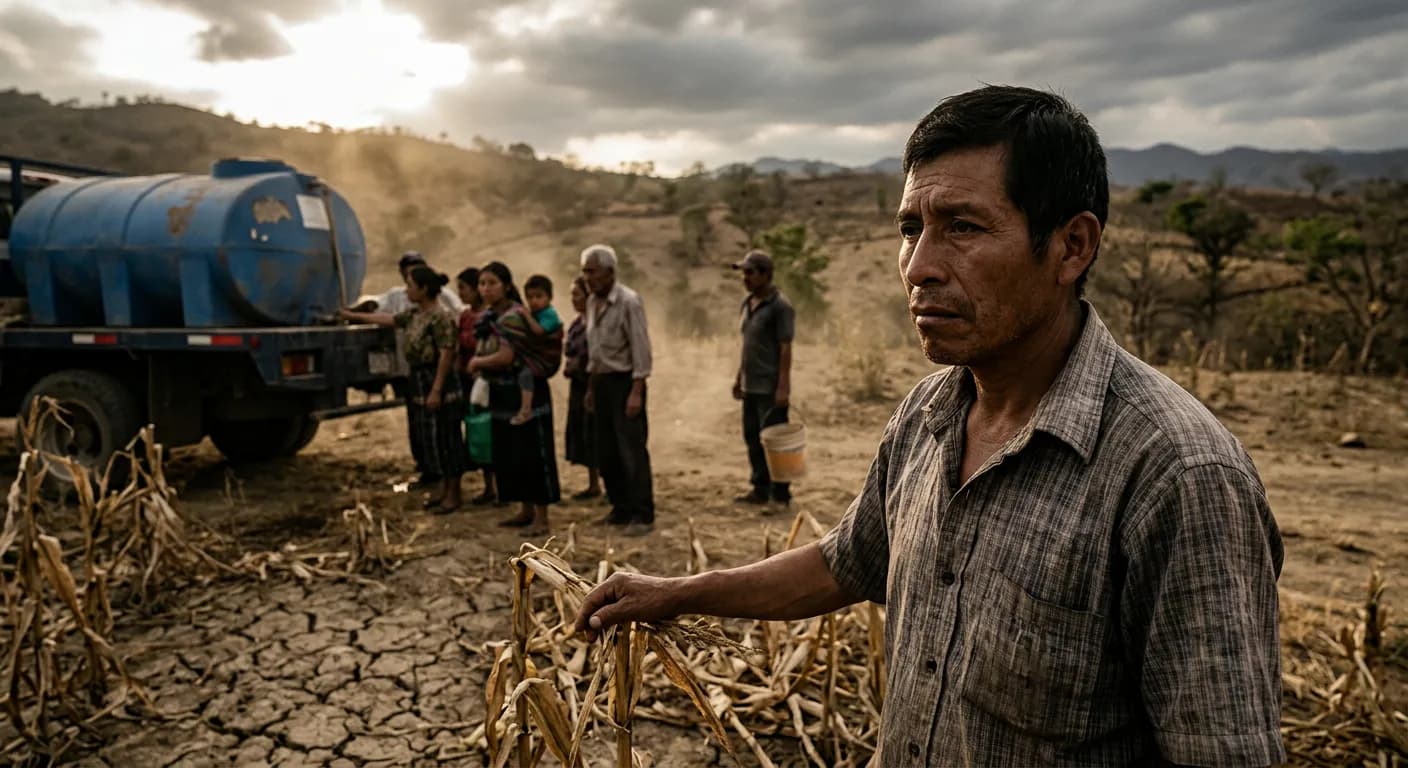
Guatemala: El Niño 2026–27 becomes regional security test
UNICEF: 25.8M children face El Niño risks in Latin America; Guatemala maps 188 municipalities for drought and food insecurity amid regional security test.

Economics
Fed's stress-test overhaul is a capital-smoothing exercise
Federal Reserve finalized stress-test overhaul: two-year averaging for bank capital buffers and public input, expected to halve volatility.