Modi Turns Fuel Frugality Into War-Time Policy Signal
The PM is trying to convert a West Asia oil shock into a discipline test: conserve fuel, cut gold imports, and delay non-essential spending.
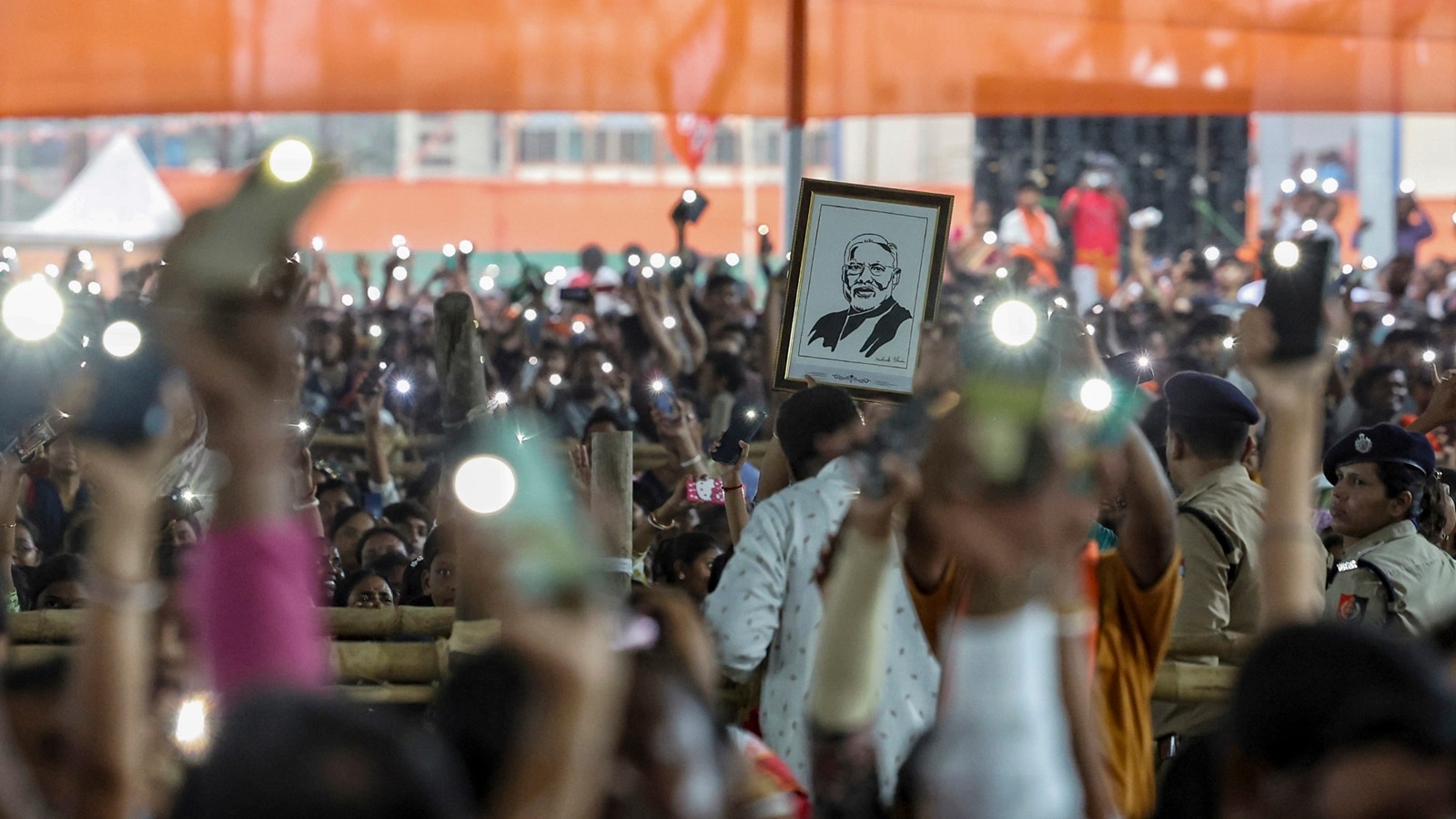
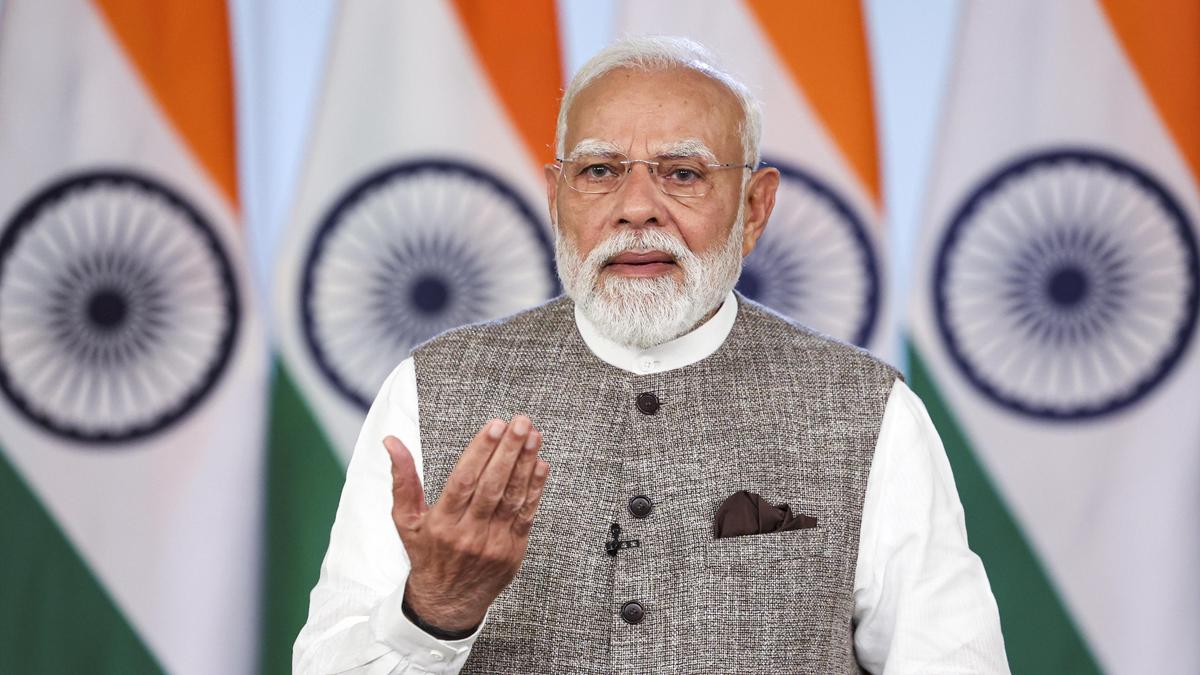
Prime Minister Narendra Modi has turned India’s response to the West Asia oil shock into a public austerity campaign. Addressing a gathering in Secunderabad, he urged citizens to use petrol, diesel and gas “with great restraint,” revive work-from-home, and even pause gold purchases for a year, framing the message as a way to protect foreign exchange and soften the impact of the conflict,  Livemint reported.
  The Times of India said he called imported petro-products a “national necessity” issue and tied restraint directly to foreign-exchange savings.
The leverage is external, but the burden is domestic
This is not just a public appeal; it is an admission that India’s room for manoeuvre is narrowing as oil markets tighten. Modi’s language matters because it shifts responsibility from the state to households and firms: take the metro, carpool, use EVs, postpone foreign travel, and return to video calls, The Times of India reported. That is classic crisis management in an import-dependent economy: conserve dollars before the price shock fully lands.
The political logic is clear. If crude and gas costs rise further, the first line of defence is not price controls but demand suppression. That protects the reserve position, limits pressure on the rupee, and buys time for refiners and importers. It also gives the government a way to explain higher energy costs as an external war dividend rather than a domestic policy failure. For India’s  energy planners, the message is that consumption discipline is now part of national security.
Why gold got pulled into the fuel story
Modi’s gold warning is not incidental. India imports large volumes of gold, so discouraging purchases is a direct attempt to slow dollar outflows.  India Today reported that he specifically said gold purchases “are another area where foreign exchange is used extensively,” and urged Indians to avoid buying gold for a year. That broadens the crisis frame beyond energy: the government is asking consumers to restrain two of the biggest non-essential drains on external balances, fuel and bullion.
The beneficiaries are obvious. Oil importers, the finance ministry, and the Reserve Bank gain breathing room if households and corporates comply. So do public transport operators, EV sellers, and domestic manufacturers if the appeal nudges spending toward local and lower-energy alternatives. The losers are equally concrete: fuel retailers, travel-linked businesses, and retailers that rely on wedding-season gold demand. The political benefit for Modi is that he is presenting sacrifice as patriotism, not pain.
What to watch next
The key test is whether this becomes a one-day message or a coordinated policy line. Watch for three things: any fuel-price intervention from the Centre, any RBI move to steady the rupee, and whether ministries begin issuing sector-specific conservation guidance. Also watch the oil market over the next few sessions; if prices spike again, today’s appeal will look less like advice and more like the first stage of rationing by persuasion.
If the conflict deepens, the real decision point will be whether New Delhi can keep this framed as voluntary restraint — or whether it has to move to more explicit import and consumption controls.