Modi Government's Seat Guarantee
Southern states demand constitutional protection for Lok Sabha seats
Model Diplomat3 min readIndia

On seat guarantee, states need a proviso in Constitution, not just a promise
Verbal assurances from the Modi government to southern states on preserving parliamentary seats fall short without constitutional codification.
The Modi administration’s recent verbal promises to southern states like Tamil Nadu and Kerala about safeguarding their current seat share in the Lok Sabha have stirred skepticism. This comes amid Parliament debating a Three-Bill package aimed at redrawing constituency boundaries post-census—a process known as delimitation. While the government insists existing seat allocations won’t be reduced, opposition leaders and affected states argue that only a constitutional proviso can offer real protection.
Why verbal assurances won't cut it
This debate touches a fundamental political fault line in modern India: representation equity versus regional balance. Delimitation, mandated after every census, adjusts parliamentary seats to reflect population shifts. But as per the last freeze on delimitation in 1976, many southern states have been underrepresented relative to their population growth.
With the upcoming census data expected to highlight this disparity, the Union’s push to update seats threatens to reduce southern states’ parliamentary weight, as northern populous states gain seats. The government’s verbal assurances, voiced in Parliament and media, lack the legal teeth needed to allay concerns. The Indian Express points out that without explicit constitutional amendments embedding a proviso to preserve seat numbers for southern states, promises can be reversed by future governments or diluted by bureaucratic interpretation.
This is especially critical given India’s history of political brinkmanship around delimitation. Past freezes and adjustments have been highly politicized, reflecting not just demographic realities but power dynamics. Southern states fear losing influence in Parliament and consequential sways in resource allocation, federal grants, and central government schemes.
The constitutional and political stakes
The Three-Bill package includes a Constitution Amendment Bill and Union Territory Bills, signaling deep restructuring ahead. But the repeat of vague commitments rather than firm constitutional guarantees raises broader questions about federal trust. The Modi government's approach underscores a classic tension in Indian federalism: balancing the numerical principle of democratic representation against regional identity and political parity.
From a legal perspective, amending the Constitution to include a clause protecting seat counts would offer permanence. This would constrict delimitation commissions from altering southern states’ shares undesirably, protecting their political clout. It also would set a precedent for other states seeking similar guarantees—a complex balancing act for the government seeking overall stability.
What to watch next
The parliamentary debate around this package is set to be contentious. Southern states’ ruling parties and opposition groups will push for embedding a seat guarantee in the Constitution, not just take government assurances at face value.
How the Modi government handles these demands will shape the political landscape, particularly ahead of the 2029 general elections. It’s a test of federalism—can New Delhi honor diversity of regional interests without appearing to favor populous northern states disproportionately?
This saga aligns with broader questions about Indian politics and democracy: Should representation rigidly follow population, or should historical inequalities and regional identities temper raw demographic math? The answers will define not just the next Lok Sabha map but the nature of India’s democratic bargain going forward.
For deeper understanding, explore the evolving interactions of Indian federalism and electoral reforms at India and
Global Politics.
On seat guarantee, states need a proviso in Constitution, not just a promise
Discover more
India
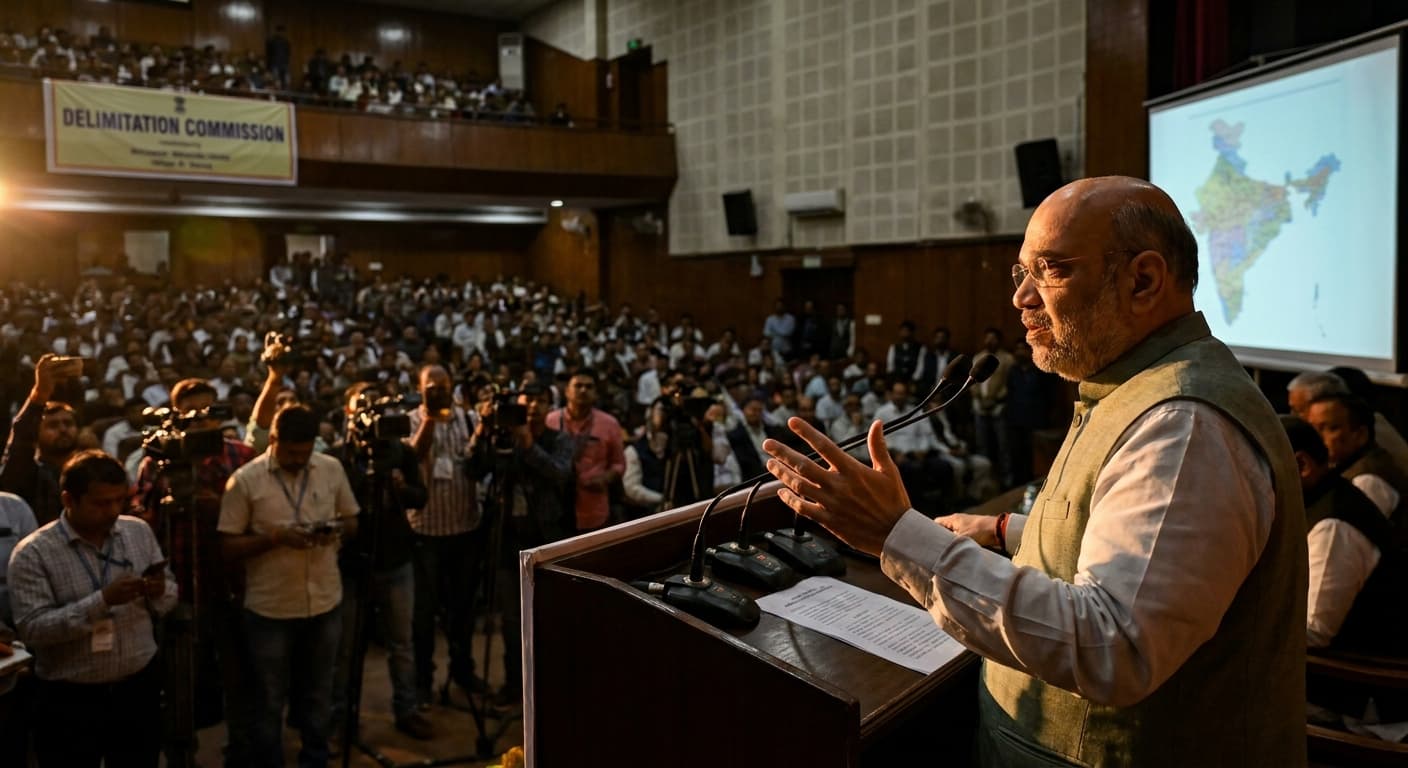
Amit Shah's Delimitation Boosts Southern MPs
Amit Shah said southern states will gain Lok Sabha seats under delimitation, boosting their representation while advancing women's reservation efforts in India.
India
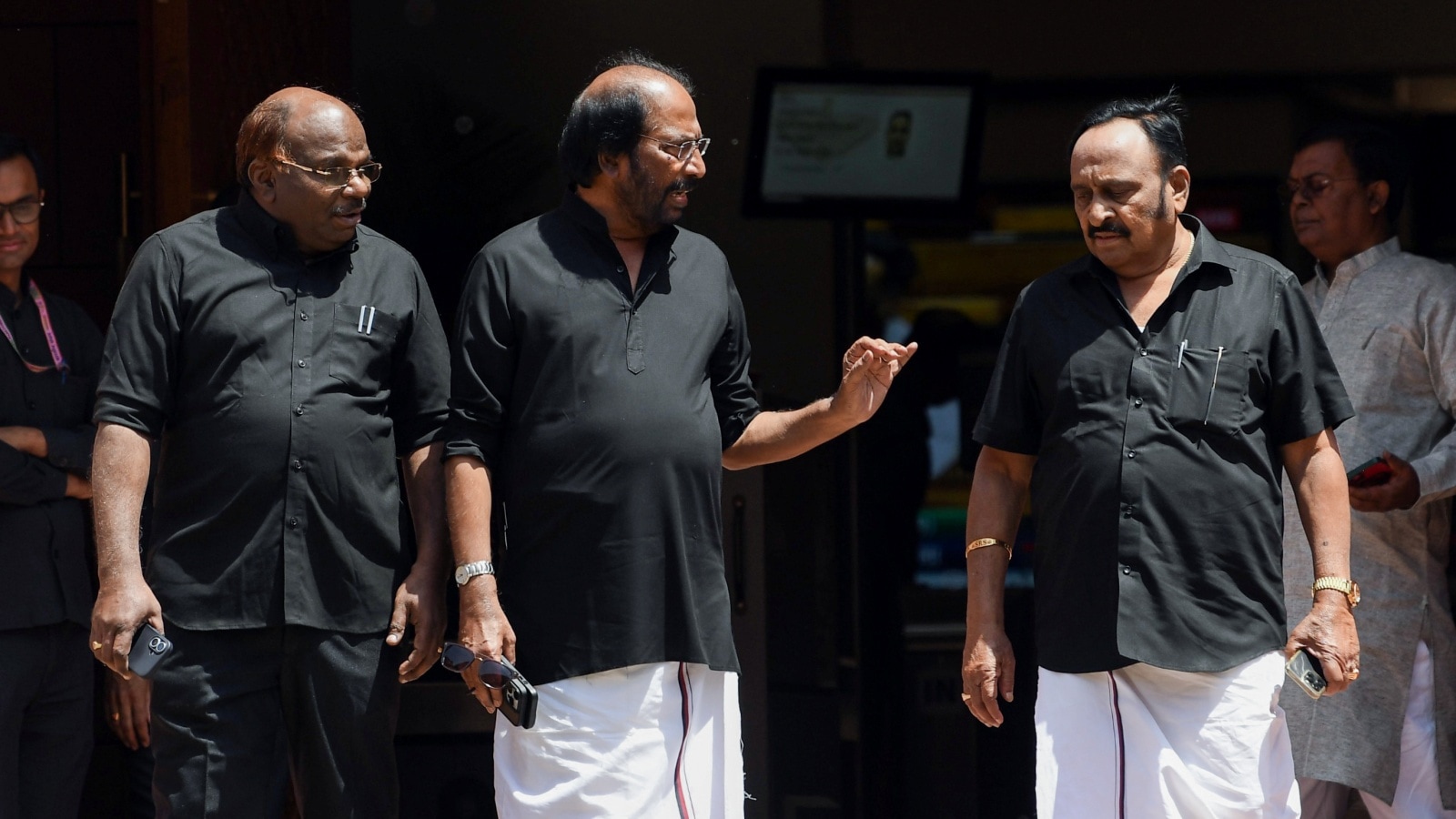
Delimitation Bill Controversy
India's Delimitation Bill ignites fierce debate, raising fears over federal representation and shifting the balance of political power among the states sharply.
India
Delimitation in India
India's delimitation exposes a deepening struggle between federalism and equal voting power under Modi's centralizing politics and shifting seat allocation.

Conflict & Security
Drone Warfare Killing Aid Workers at Unprec
Over 1,000 humanitarian workers killed in three years as cheap armed drones collapse legal protections. Gaza, Sudan, Ukraine, and DRC see deliberate targeting of aid convoys and hospitals with zero prosecutions.