Mamata Banerjee’s Loss Leaves West Bengal in Transition
BJP’s sweep has cut TMC’s power in West Bengal, but Mamata Banerjee is trying to turn defeat into a national opposition role rather than a retirement notice.
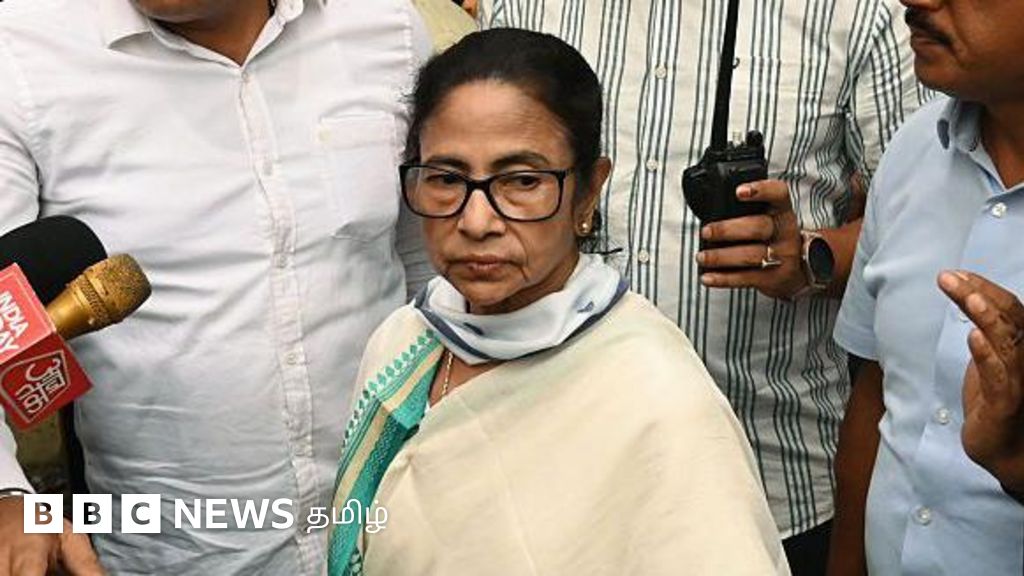
The immediate power shift is clear: the BJP now has the leverage in West Bengal, and Mamata Banerjee is trying to preserve relevance by redefining the loss. The BBC Tamil report framed the core question as Banerjee’s political future after the shock verdict, while  The Hindu reported that the BJP won more than 200 seats and the Trinamool Congress was reduced to 80. Banerjee then rejected the idea of stepping aside, telling reporters she would not resign and would work to strengthen the INDIA bloc, according to The Hindu. For the broader map, see
  Global Politics and India.
The state mandate has moved against her
This is not just an electoral setback; it is a collapse of Banerjee’s institutional base. West Bengal has been her power center since 2011, and the BJP’s sweep ends the advantage she held as chief minister, party boss, and statewide campaigner all at once, as The Hindu noted. That matters because state power in India is not symbolic: it controls patronage, police influence, and the political gravity that keeps cadres loyal.
The BJP benefits most from that shift. It can now claim not only a victory over a long-ruling regional party, but a breakthrough in eastern India that closes one of the few large states where it had never governed. Banerjee, by contrast, loses the one asset that made her indispensable: a functioning state machine.
Her remaining asset is opposition space
Banerjee still has a route back into relevance, but it runs through national opposition politics, not Bengal administration. After the result, she said she would help strengthen the INDIA bloc, a signal that she wants to convert local defeat into bargaining power inside the anti-BJP camp, according to The Hindu. That is the calculation of a politician who knows she cannot immediately win back the state, but can still shape the center-left opposition field if she keeps the Trinamool intact.
But the internal picture is ugly. The Hindu reported early dissent inside the party, with leaders blaming the IPAC consultancy model and ticket choices. That is the real risk for Banerjee: not just defeat, but factional erosion. If the Trinamool starts blaming strategy, candidate selection, and outside advisers, her authority narrows fast.
What to watch next
The next decision point is whether Banerjee becomes an opposition convenor or a wounded incumbent clinging to the old order. Watch for three signals: whether she keeps fronting the INDIA bloc, whether nephew Abhishek Banerjee becomes the operational face of the party, and whether Trinamool leaders’ criticism hardens into an open succession fight. The BJP has the mandate; Banerjee still has the brand. What she no longer has is time to waste.