Macron's Kenya Summit: France's Africa Reset
Exploring France's new approach to Africa through Kenya.
Model Diplomat3 min readAfrica
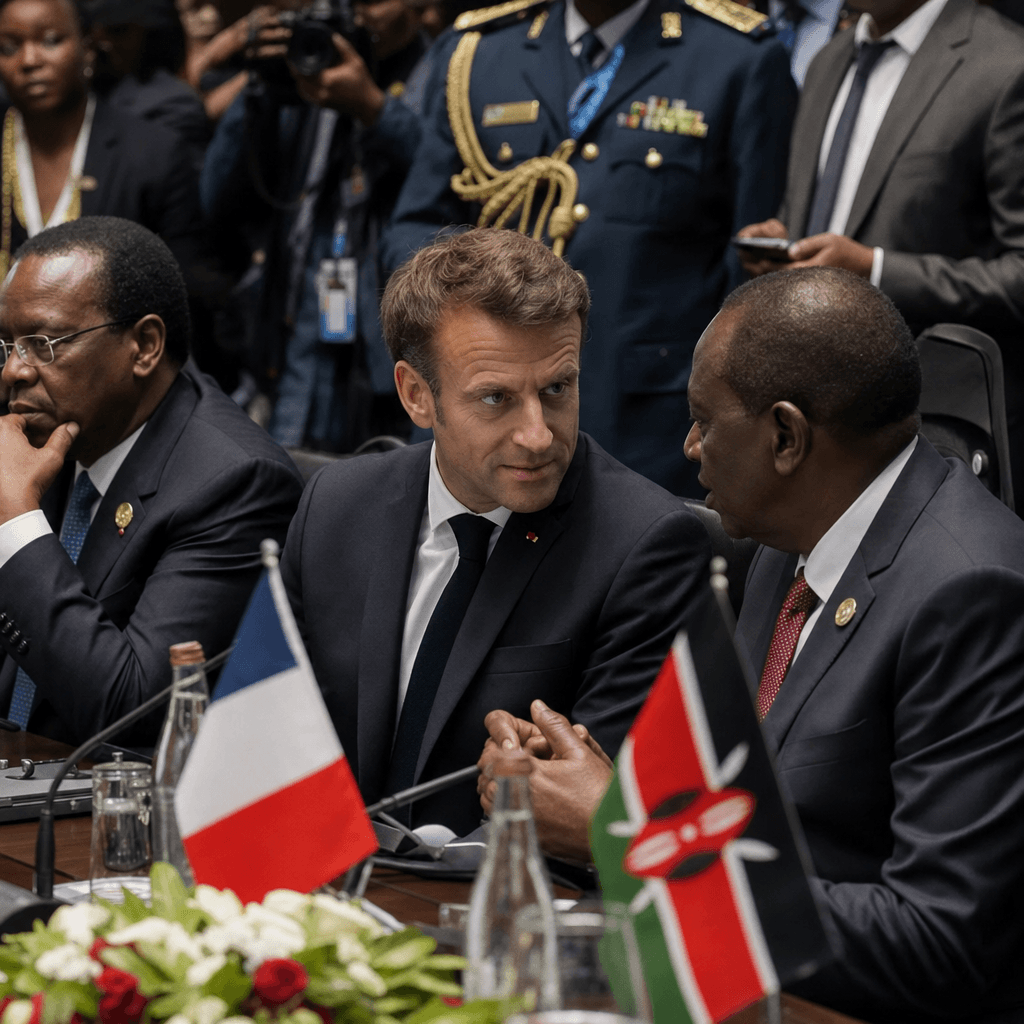
Macron’s Kenya Summit Tests France’s Africa Reset
France is trying to swap old coercive influence for market access and prestige; Kenya is cashing in as the gatekeeper to a new, anglophone Africa.
Emmanuel Macron opened the Africa Forward summit in Nairobi on Sunday with a clear objective: prove France can still matter in Africa without the baggage of Francafrique. The two-day meeting, co-hosted with Kenyan President William Ruto, is the first France-Africa summit held in an English-speaking African country and is designed to showcase a “renewed” partnership built around investment, innovation and political equality, according to France 24 and
Associated Press.
France is changing the battlefield
Paris no longer has the leverage it once had in West and Central Africa. French troops have been pushed out of Mali, Burkina Faso and Niger, and anti-French sentiment has become a political weapon for juntas and opposition figures alike, AP and
France 24 reported. Macron is responding by moving the center of gravity east and south: away from the former francophone core and toward anglophone economies that are bigger, faster-growing and less politically toxic.
That is why the summit’s agenda is so economic-heavy. Business leaders, investors and entrepreneurs are meeting before the heads of state session, with themes including health systems, food security, digital technology, artificial intelligence and energy partnerships, France 24 reported. The message from Paris is simple: France wants contracts, not tutelage.
Kenya gets status; France gets an entry point
Kenya is not just a venue. It is the broker. Ruto has spent years positioning Nairobi as a diplomatic and commercial hub that is “neither looking East nor West,” but forward, AP reported. Hosting Macron lets Kenya convert that posture into leverage: more visibility, more investment, and a claim to speak for a broader African agenda.
That is already paying off. France and Kenya signed 11 agreements alongside the summit, including deals touching transport, sustainable agriculture and a nuclear energy project, according to AP. The practical effect is to put Kenya at the center of France’s Africa reset while giving Macron a showcase for a policy he can sell in Paris as modern, commercial and forward-looking.
For Macron, the summit is also legacy management. AFP said he wants the event to serve as a “report card” on his Africa policy with one year left in office. That makes the political stakes asymmetric: France needs the optics more than Kenya does.
What to watch next
The key test comes over the next 48 hours: whether the summit produces a declaration that can survive beyond photo ops and business MoUs. If the talks deliver only investment pledges, Paris will have bought symbolism, not influence. If they produce follow-through on finance, energy and technology, Macron can argue that France has found a viable post-Françafrique model.
Watch for the final communiqué on Monday, the list of heads of state who actually show up, and whether Ruto uses the stage to push Africa’s demand for capital over lectures. On this trip, France needs Kenya to validate the reset; Kenya needs France to keep bidding.
Discover more

International Relations
Pakistan's Key Role in US-Israel-Iran Meddle
Pakistan is seeking to mediate the US-Israel-Iran conflict, balancing high-stakes diplomacy against severe economic pressures and steep regional challenges.
India
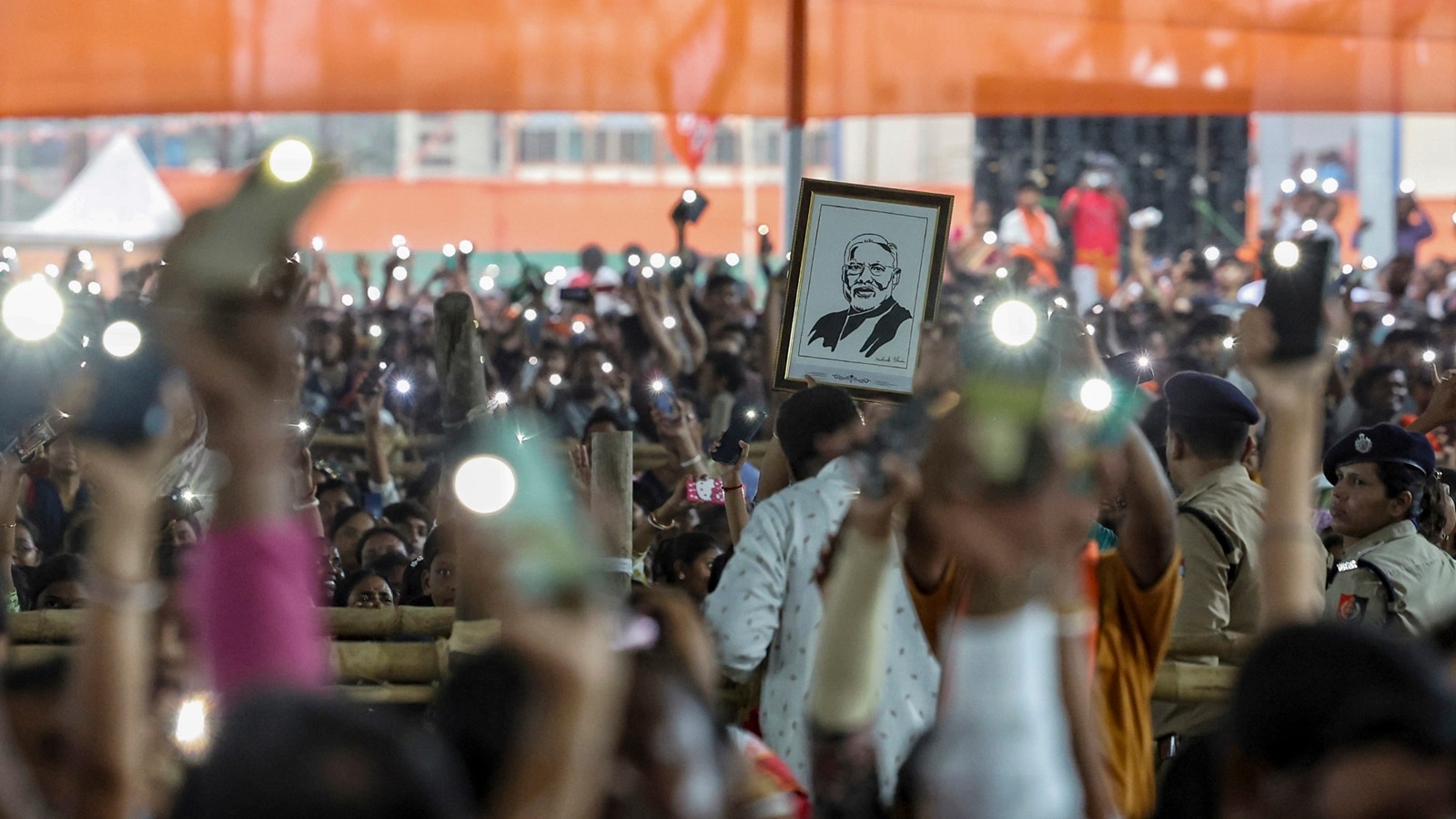
Modi's Women’s Convention in Varanasi
Modi's Varanasi rally frames women's reservation as a national mission, targeting the 2027 Uttar Pradesh elections with a strategic narrative.

Economics
Fed's Amex AML order puts correspondent banking on notice
Federal Reserve's Amex AML order requires board-level controls and a 90-day plan; OCC fined the bank $350 million over enterprise-wide deficiencies.
Conflict & Security
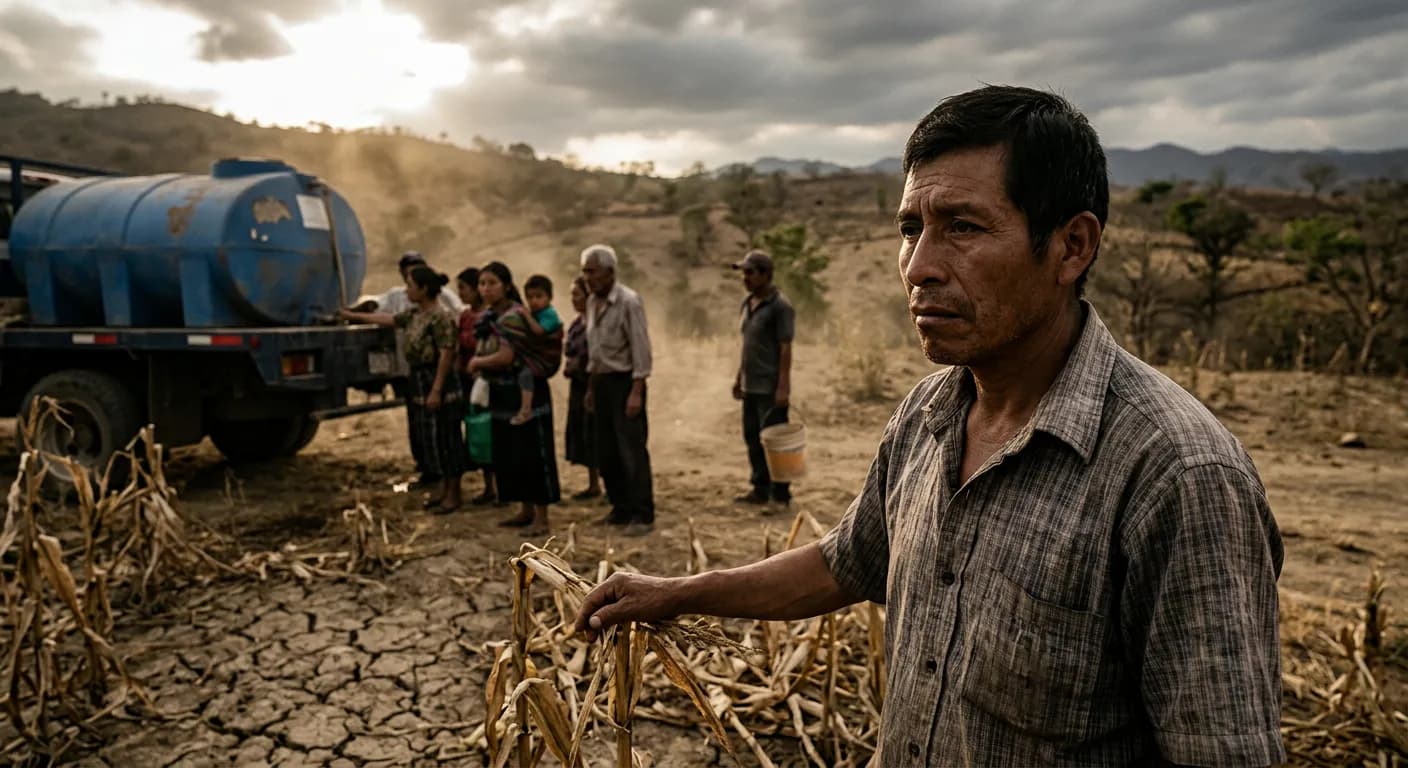
Guatemala: El Niño 2026–27 becomes regional security test
UNICEF: 25.8M children face El Niño risks in Latin America; Guatemala maps 188 municipalities for drought and food insecurity amid regional security test.