Lok Sabha Rejects Modi's Women Reservation
Modi government's amendment for women’s reservation fails in Lok Sabha
Model Diplomat3 min readIndia

Lok Sabha Rejects Modi Government’s Bid to Expand Parliament and Boost Women’s Reservation
In a first for Narendra Modi’s administration, the Lok Sabha voted down the government’s constitutional amendment seeking to increase parliamentary seats and introduce women’s reservation based on the 2011 Census.
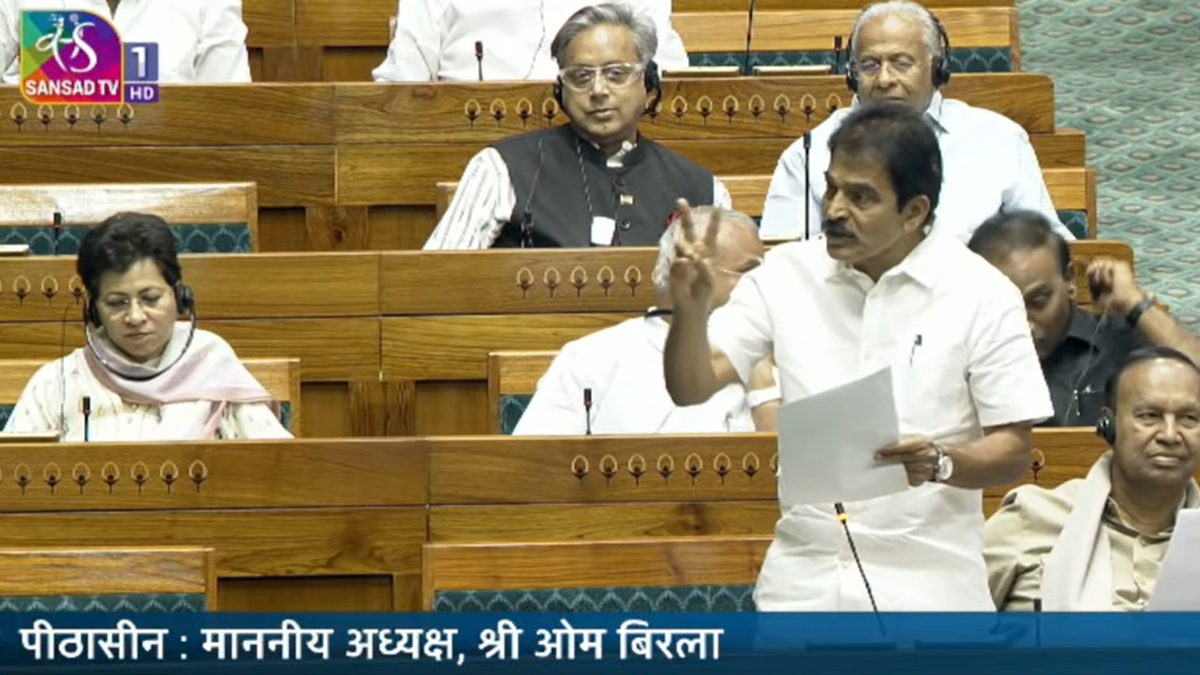
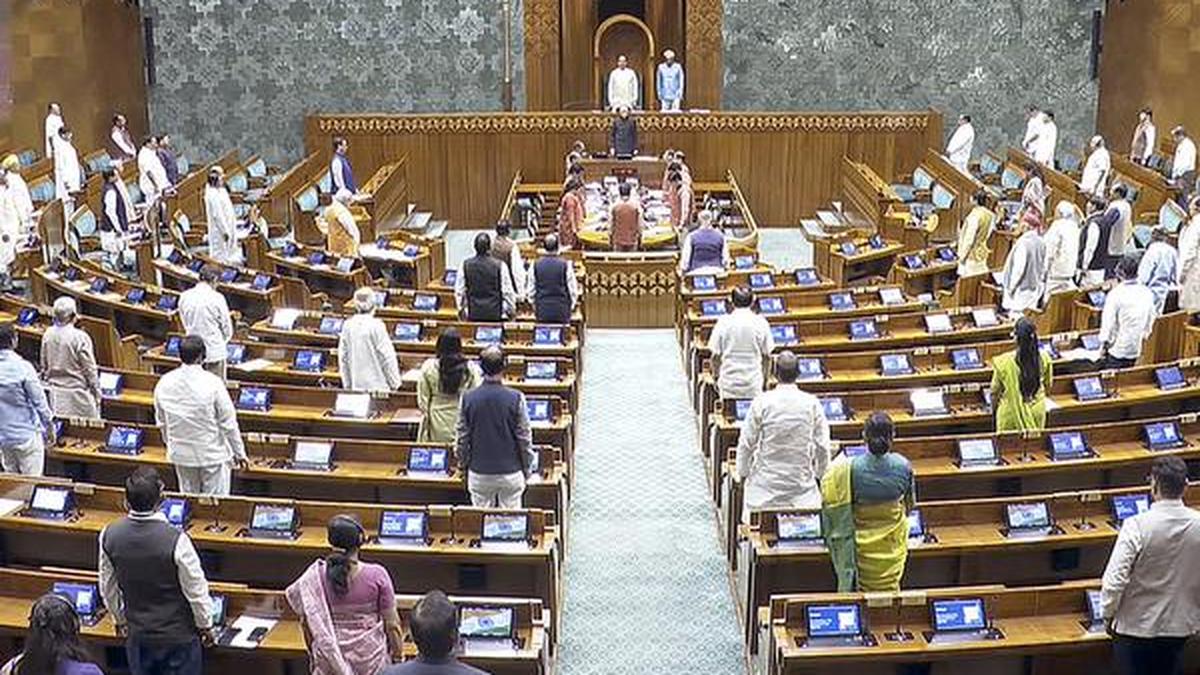
The Lok Sabha on April 17, 2026, decisively rejected the Modi government’s constitutional amendment to increase the size of the lower house of Parliament from 543 to 850 members. The proposal also sought to implement a delimitation exercise grounded on the 2011 Census, specifically to establish a 33% reservation for women in the Lok Sabha. This marks the first time a constitutional amendment backed by Modi’s government has faced outright defeat in Parliament, signaling both political and procedural headwinds against one of its flagship reforms.
Why This Matters
Increasing parliamentary seats and advancing women’s representation are significant moves in India’s evolving democratic landscape. The last delimitation of Lok Sabha constituencies was based on the 1971 Census, with a freeze imposed until 2026 to balance regional population growth disparities. Modi’s government aimed to recalibrate representation to reflect demographic shifts captured in the 2011 Census, while concurrently aiming to accelerate gender parity in seat allocations.
Women’s reservation in legislatures has been an elusive goal in India for decades. Though some states have enacted local body-level quotas for women, national-level political representation remains largely male-dominated; women currently occupy just about 14% of Lok Sabha seats. The amendment would have constitutionally mandated one-third of the seats reserved for women, potentially reshaping Indian politics and party dynamics for generations.
However, the rejection exposes the intricate federal and political complexities of reforming Parliament’s composition. Critics raised concerns over the logistical challenges of expanding the Lok Sabha by over 300 seats, the potential dilution of existing member influence, and fears of upsetting the political equilibrium among states with variably growing populations. Opposition parties seized on these arguments to mount a robust defense of the status quo.
Furthermore, some state governments opposed the delimitation based on 2011 data, anticipating a loss of parliamentary clout due to slower population growth relative to fast-growing states. This opposition reflects deeper regional tensions that influence India’s democratic architecture beyond gender issues.
What To Watch Next
This defeat opens several questions and pathways:
- The government must decide whether to revise and reintroduce a more politically palatable version of the amendment. Can it secure broader cross-party consensus, or will this remain a symbolic setback?
- Regional power centers resistant to changing seat allocations may demand more intensive negotiations or compensatory mechanisms.
- The push for women’s reservation will continue, either through legislation or political party reforms, but a constitutional guarantee now seems further away.
- The delimitation and expansion challenge place the Modi government at a crossroads, illustrating the limits of its reform agenda amid growing parliamentary checks.
This parliamentary episode underscores the continuing complexity of balancing India’s demographic realities, gender reforms, and political interests within its constitutional framework. The challenge is in crafting a reform package that advances representation while respecting regional stakes—an intricate political dance that India’s democracy must master.
For more on India’s political structure and reform efforts, see our India profile and
Global Politics overview.
Source: Lok Sabha rejects Modi govt amendment move: What next for women’s reservation law?
Discover more
India
BJP's Women's Reservation Bill Controversy
The BJP faces backlash over the Women's Reservation Bill as the DMK accuses it of political exploitation during a heated and pivotal Lok Sabha session in Delhi.
India
Delimitation Based on 2011 Census
India's Lok Sabha could expand to 850 seats under 2011 census delimitation, reshaping political power and representation across northern and southern states.
India
Congress: Modi's Delimitation Manipulation
Congress accused the Modi government of using delimitation to consolidate power in Jammu and Kashmir, urging it be separated from the women's reservation bill.

Conflict & Security
Drone Warfare Killing Aid Workers at Unprec
Over 1,000 humanitarian workers killed in three years as cheap armed drones collapse legal protections. Gaza, Sudan, Ukraine, and DRC see deliberate targeting of aid convoys and hospitals with zero prosecutions.