Delimitation Based on 2011 Census
How the 2011 Census will reshape India's parliamentary landscape
Model Diplomat3 min readIndia
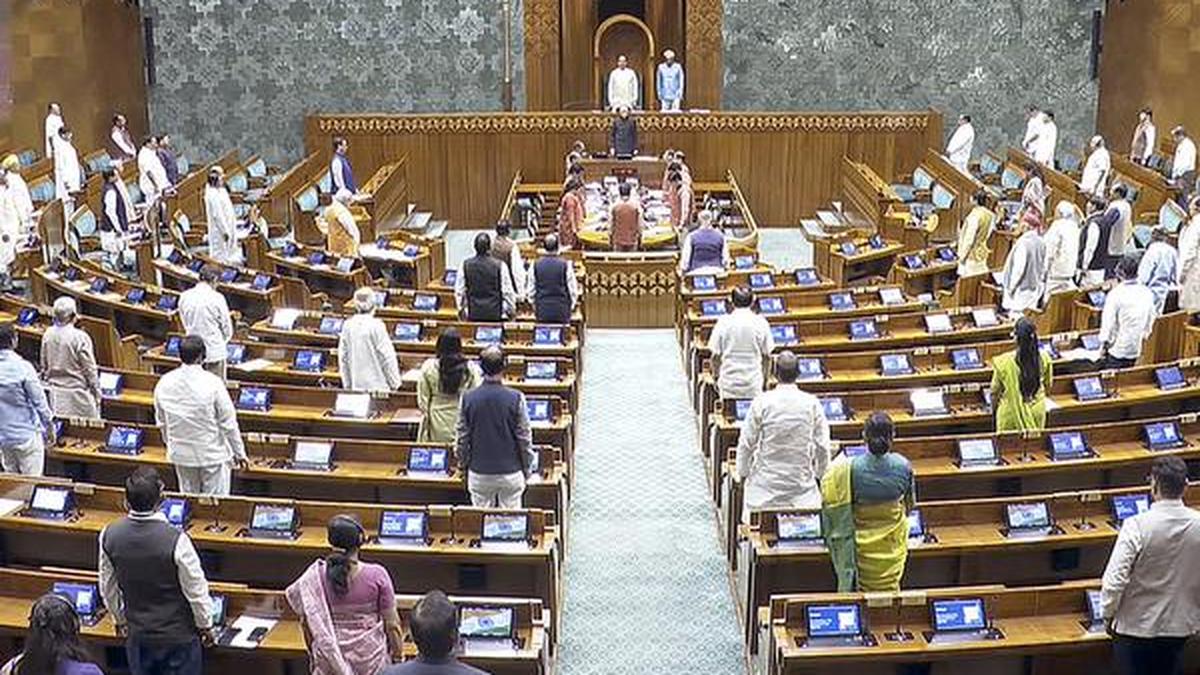
How Delimitation Based on 2011 Census Will Redraw India’s Political Map
Delimitation using the 2011 Census could reshape India’s parliamentary landscape, boosting southern and northeastern representation and challenging the decades-long status quo.
India’s Lok Sabha could soon grow from 543 to up to 850 seats under a proposed delimitation exercise that uses the 2011 Census data—a major shift after a 50-year freeze based on the 1971 Census. This update, if implemented, would significantly alter how parliamentary seats are distributed among states, potentially reshaping India’s political dynamics for the next generation.
Why This Matters: Ending the 50-Year Freeze
Since 1976, India’s parliamentary seat allocation has been frozen at 543, based on the 1971 Census, to encourage population control measures across states. This freeze benefited states with historically larger populations in the north and west, such as Uttar Pradesh and Bihar, while southern states that managed population growth more effectively—like Kerala and Tamil Nadu—were somewhat underrepresented given their current demographic weight.
Using the 2011 Census as the new baseline, the Lok Sabha could expand by over 300 seats, from 543 to about 850. States in southern India and the northeast stand to gain a significant number of additional seats, shifting political power southward and eastward. For instance, Kerala and Tamil Nadu could see more MPs, reflecting their slower population growth but increased population share. Meanwhile, smaller northeastern states would receive fairer representation, correcting a historical undercount.
This rebalancing is political dynamite. Northern powerhouses like Uttar Pradesh and Bihar would lose proportional clout relative to their current share under the outdated 1971 figures. The political influence of national parties that rely heavily on these northern strongholds, such as the BJP and Congress, could face new variables as southern regional parties gain parliamentary muscle.
The Electoral Implications: More Seats, More Complexity
Adding nearly 300 seats to the parliament would increase its size by more than 50%. This would have several downstream effects:
-
Coalition dynamics: With a larger and more regionally diverse Lok Sabha, coalition-building could become more complex. Regional parties in the South and Northeast could become kingmakers in national politics.
-
Campaign recalibration: Political parties will need to recalibrate strategies, tailoring campaigns to new constituencies and demographic realities.
-
Policy focus: With increased southern representation, issues related to development, federalism, and regional autonomy are likely to receive greater national attention.
The prospect also raises practical questions on parliamentary functioning. Managing debates, question hours, and legislative business with an expanded house would require procedural adjustments.
What to Watch Next
The key question is political will. The delimitation exercise has massive political ramifications, and resistance will come from states and parties likely to lose influence. Constitutional amendments will be needed to lift the freeze, requiring two-thirds majorities in Parliament plus ratification by at least half the states.
Watch for:
- How the central government (led by the BJP) and key states maneuver over these changes.
- The reaction of southern regional parties (e.g., DMK, AIADMK, TMC, YSR Congress), who gain the most.
- Potential judicial challenges on the process and fairness of seat allocations.
- Broader debates on federalism and population control incentives.
This delimitation, tied to updating fundamental political representation, is a defining moment for India’s democracy—recalibrating power to better reflect a demographic reality that has evolved over half a century.
For deeper background, explore India’s political system and the
broader global context of electoral reform.
How delimitation based on 2011 Census will redraw India’s political map, The Hindu
Discover more

India
India's Delimitation Plan
India's delimitation plan would expand the Lok Sabha to 850 seats and boost women's representation, but it stokes regional tensions and political concerns.

India
India's Delimitation
India's delimitation could expand Lok Sabha seats and favor the North, igniting Southern opposition over representation, equity and regional political power.
India
India's Delimitation Plan
India's new delimitation plan would let southern states keep their Lok Sabha seats, balancing demographic shifts against political power in the rework.

Conflict & Security
Drone Warfare Killing Aid Workers at Unprec
Over 1,000 humanitarian workers killed in three years as cheap armed drones collapse legal protections. Gaza, Sudan, Ukraine, and DRC see deliberate targeting of aid convoys and hospitals with zero prosecutions.