India's Delimitation Plan
Exploring India's major delimitation exercise and its implications
Model Diplomat3 min readIndia

India’s Planned Delimitation Shakeup: More Seats, More Women, and Rising Regional Tensions
India’s upcoming delimitation exercise aims to expand the Lok Sabha from 543 to 850 seats and boost female representation — but it’s stirring North-South anxieties and political firestorms.
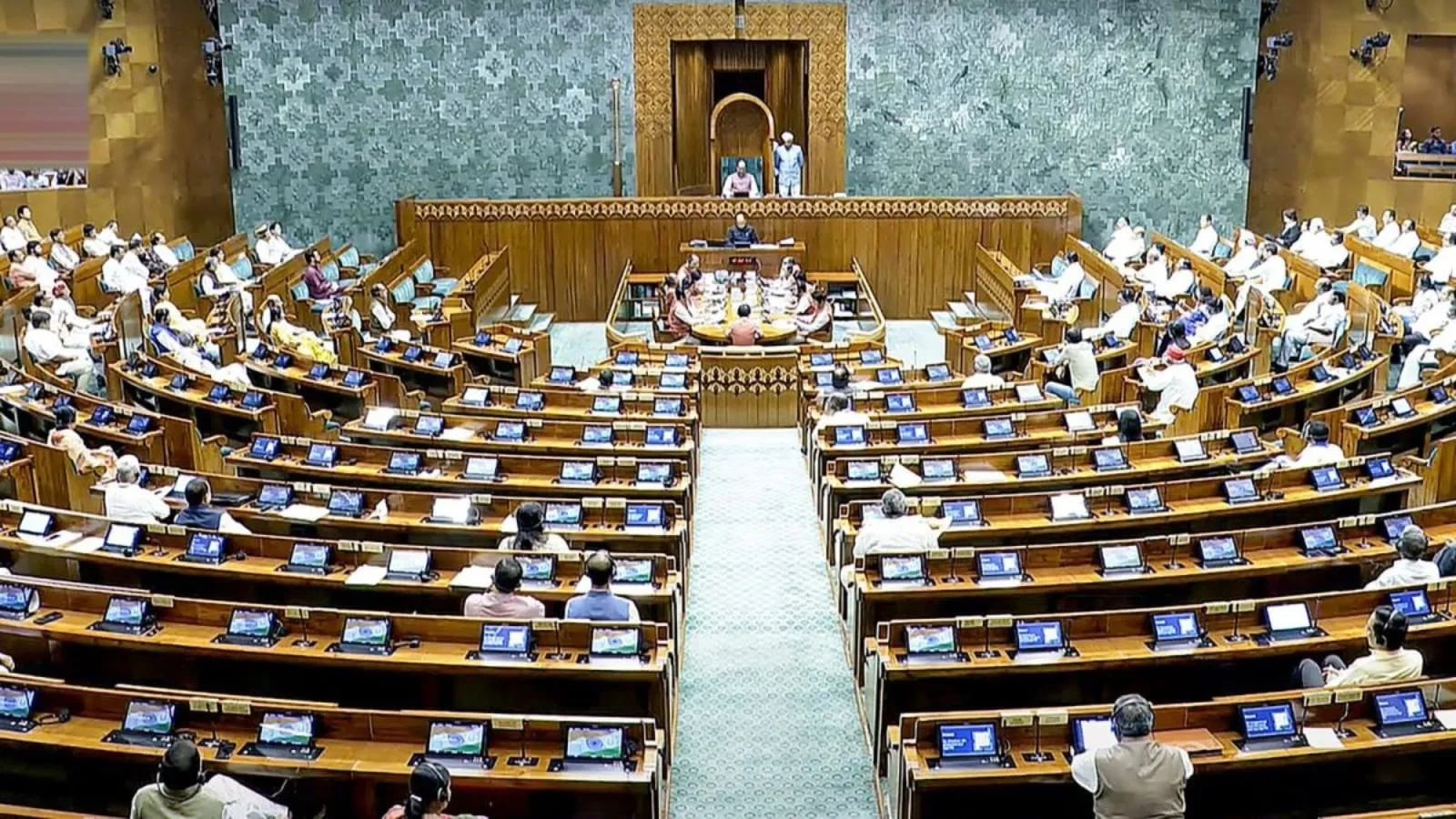
On April 17, 2026, India announced a major delimitation exercise that will redraw parliamentary constituencies nationwide. The plan includes increasing Lok Sabha seats from 543 to 850 based on the 2011 census, marking the first expansion in decades. This exercise is coupled with a bold gender quota aiming for one-third of MPs to be women. A new Delimitation Commission will be set up to oversee this process, triggering protests mainly from opposition parties and some southern states, who fear the move may upset political power balances.
Why Delimitation Matters: More Seats and Gender Quotas
Delimitation—the redrawing of electoral boundaries—has not been carried out for Lok Sabha since 2008, and the total seats have remained frozen at 543 since 1976, as per a constitutional amendment intended to encourage family planning by not rewarding population growth states with more MPs.
The upcoming exercise will use 2011 census data, disregarding that a newer 2021 count was delayed. Importantly, this will significantly increase total Lok Sabha seats to 850, a roughly 56% jump. Such expansion is aimed at better matching representation to demographic realities, especially as India’s population and regional distribution have shifted dramatically.
Perhaps most notably, a legal push mandates that one-third of Lok Sabha seats be reserved for female candidates. This is a historic move to boost women’s representation in a parliament where they currently hold less than 15% of seats. It signals a strong gender inclusivity effort tied tightly to the delimitation process.
The North-South Divide: Regional Stakes and Political Fears
The delimitation exercise inevitably surfaces India’s enduring regional faultlines. Northern states, often with higher fertility rates and larger populations, are poised to gain a significant number of new seats. This rebalance could shift legislative power away from southern states—where population growth has been lower due to successful family planning—to the political advantage of the North.
Southern states like Tamil Nadu, Andhra Pradesh, Telangana, and Kerala have voiced objections, fearing their relative influence in the Lower House will diminish. Political parties dominant in these regions perceive delimitation as a potential zero-sum game that could undermine their parliamentary strength.
On the political front, opposition parties including the Congress and several regional groups accuse the ruling party of manipulating delimitation to consolidate its parliamentary majority ahead of the next general election. They argue the timing and criteria lack transparency and could skew democratic representation.
What to Watch Next: Political Fallout and Implementation Dynamics
The coming months will see the formation of the new Delimitation Commission, which must navigate a politically charged environment while balancing technical fairness with constituency politics.
Critical to watch:
- How will seat allocations shift state-by-state, especially in the North versus South?
- Will the gender quota effectively translate into real female candidates and MPs, or will party leaderships circumvent it?
- How will opposition parties mobilize legal and electoral pushback?
- Could this redrawing reshape India’s parliamentary arithmetic enough to impact the 2029 general elections?
Delimitation is foundational for democracy but rarely straightforward. India’s ambitious expansion and gender inclusion goal clash head-on with entrenched regional and political interests. The outcome will test the country’s capacity to manage representation fairly without exacerbating existing divides.
For those following India’s political evolution, especially in the context of representation and federal balance, this delimitation exercise is a landmark development with ripple effects well beyond constituency maps. It ties directly into broader debates on population, gender equality, and regional equity in South Asia’s largest democracy.
Read more about India’s political landscape and parliamentary dynamics on the
Global Politics page.
Discover more

India
India's Delimitation
India's delimitation could expand Lok Sabha seats and favor the North, igniting Southern opposition over representation, equity and regional political power.

India
India's Special Parliament Session
India's Parliament session moves to expand the Lok Sabha to 850 seats and redraw electoral boundaries on 2021 Census data amid sharp political tensions ahead.
India
India's Delimitation Plan
India's new delimitation plan would let southern states keep their Lok Sabha seats, balancing demographic shifts against political power in the rework.

Conflict & Security
Drone Warfare Killing Aid Workers at Unprec
Over 1,000 humanitarian workers killed in three years as cheap armed drones collapse legal protections. Gaza, Sudan, Ukraine, and DRC see deliberate targeting of aid convoys and hospitals with zero prosecutions.