Lebanon’s Liberation Day and Israeli Control
Lebanon marks Liberation Day amid ongoing Israeli military pressure.
Model Diplomat3 min readMiddle East
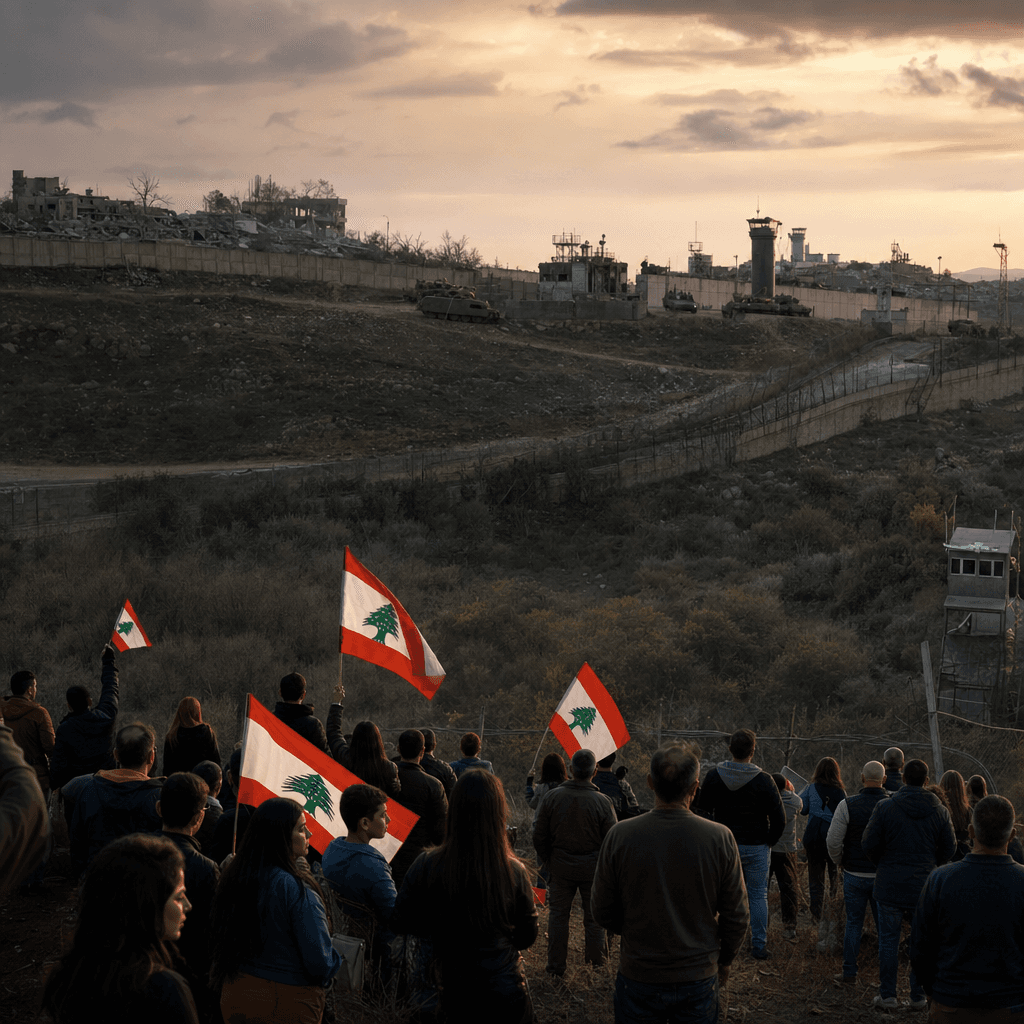
Lebanon’s Liberation Day now measures how much land Israel still holds
Beirut marked Liberation Day under fire, as Israel’s foothold in the south and U.S.-backed talks give Jerusalem the leverage and Lebanon the deadline.
Israel is setting the terms on the ground
Lebanon’s annual commemoration of Israel’s 2000 withdrawal came this year as a day of mourning, not triumph. Israel’s military pressure is the power fact: on Monday, air raids killed three people in southern Lebanon and new evacuation orders covered 10 towns and villages, even as banks and offices closed for the Liberation Day holiday, according to Al Jazeera. The article says the current fight has revived fears of a lasting occupation after Israeli forces again invaded the south in March, leaving many displaced and unable to return.
That is the leverage. Israel does not need to announce annexation or a new border to change the map; it can do it through repeated strikes, outpost control and movement restrictions. Al Jazeera reports that by early 2025 Israeli troops had withdrawn from all but five points in south Lebanon after a ceasefire, and that the latest campaign has reopened the question of how much of the south Beirut can actually govern. For Lebanese civilians in border towns, “liberation” now means the right to go home, not a historical memory.
Beirut wants diplomacy, but from a weak position
Lebanon’s leadership is trying to convert battlefield pain into negotiating capital. President Joseph Aoun said on Liberation Day that the south “wrote an unprecedented chapter” when Israeli forces withdrew in 2000, and he reaffirmed the goal of a “full Israeli withdrawal” from the south, according to Al Jazeera. Prime Minister Nawaf Salam was blunter, writing that Lebanon would not celebrate fully “until the day of Israel’s complete withdrawal from our land and the safe and dignified return of our people.”
That line matters because Beirut is now in direct talks with Israel for the first time under Aoun’s command, with U.S. facilitation, according to QNA and
QNA. Lebanon is trying to make withdrawal, detainees and a ceasefire the price of any broader arrangement. Israel, meanwhile, benefits from negotiating while it still controls the tempo on the border. The asymmetry is obvious: Beirut wants restoration of sovereignty; Jerusalem wants security guarantees without surrendering operational freedom.
Hezbollah gains from the resistance narrative, but Lebanon pays the bill
This is also a political contest inside Lebanon. Hezbollah remains able to claim that Israeli force, not diplomacy, has defined the south’s fate; the movement’s founding narrative is built on forcing withdrawals. But the costs are falling on southern communities, not on the leadership making the claims. Al Jazeera quotes displaced residents celebrating Liberation Day in apartments and school shelters near Beirut, while border villages remain wrecked or under evacuation orders.
That leaves President Aoun and Prime Minister Salam with a hard bargain: they need a diplomatic outcome strong enough to look like liberation, but not so weak that it looks like normalization. One useful lens here is Conflict: this is not just a border dispute, but a test of whether military facts can be reversed through talks before they harden into a new status quo.
What to watch next
The next decision point is the U.S.-facilitated negotiating track, including the planned Washington sessions in early June reported by QNA. Watch whether Israel keeps its current positions in the south, whether evacuation orders expand, and whether Beirut can extract a timetable for withdrawal without conceding a permanent buffer reality on the ground.
Discover more

International Relations
Pakistan's Key Role in US-Israel-Iran Meddle
Pakistan is seeking to mediate the US-Israel-Iran conflict, balancing high-stakes diplomacy against severe economic pressures and steep regional challenges.

Conflict & Security
Drone Warfare Killing Aid Workers at Unprec
Over 1,000 humanitarian workers killed in three years as cheap armed drones collapse legal protections. Gaza, Sudan, Ukraine, and DRC see deliberate targeting of aid convoys and hospitals with zero prosecutions.
Global
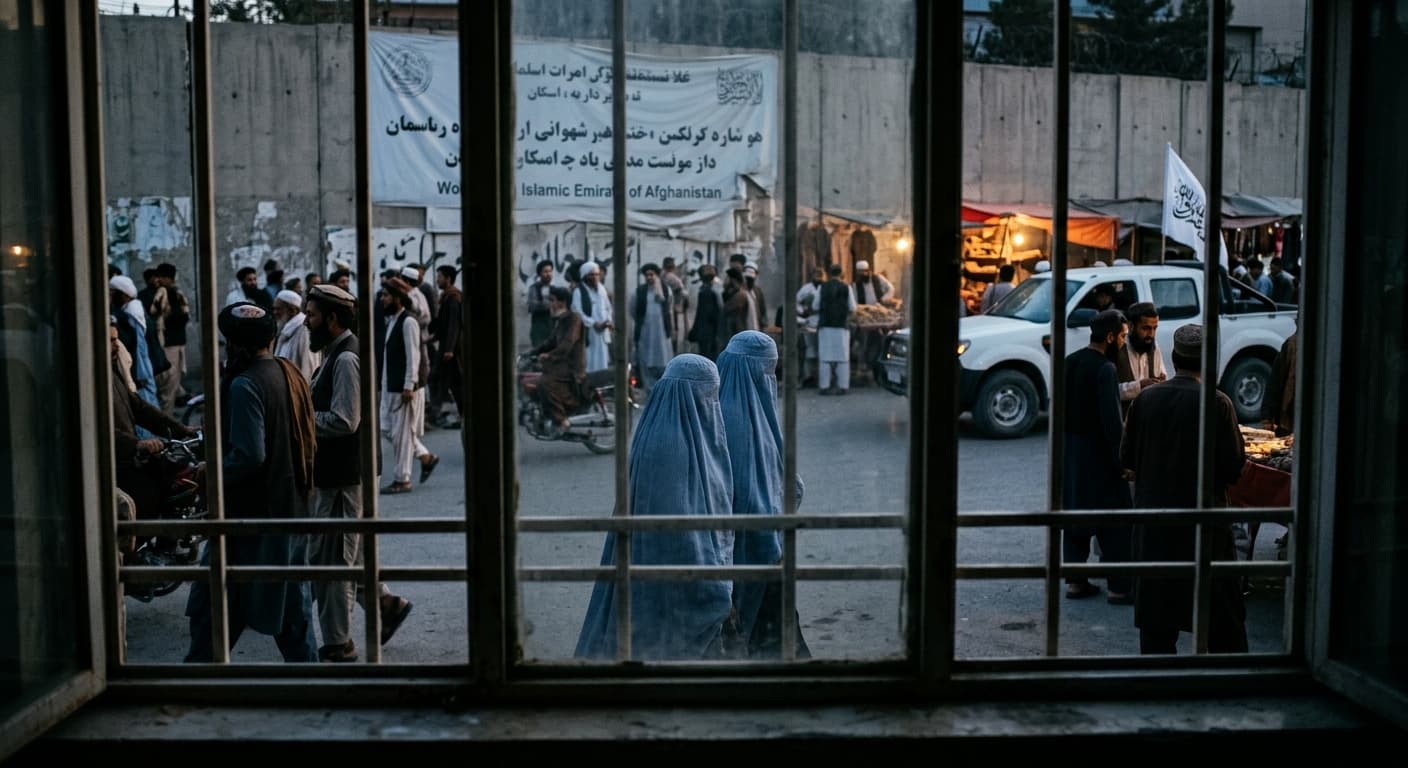
World Normalises Taliban as Afghan Women Eras
UN data shows Afghan women erased from public life as Russia recognises the Taliban, EU hosts officials in Brussels, and ICC warrants for gender persecution go unenforced.
Conflict & Security
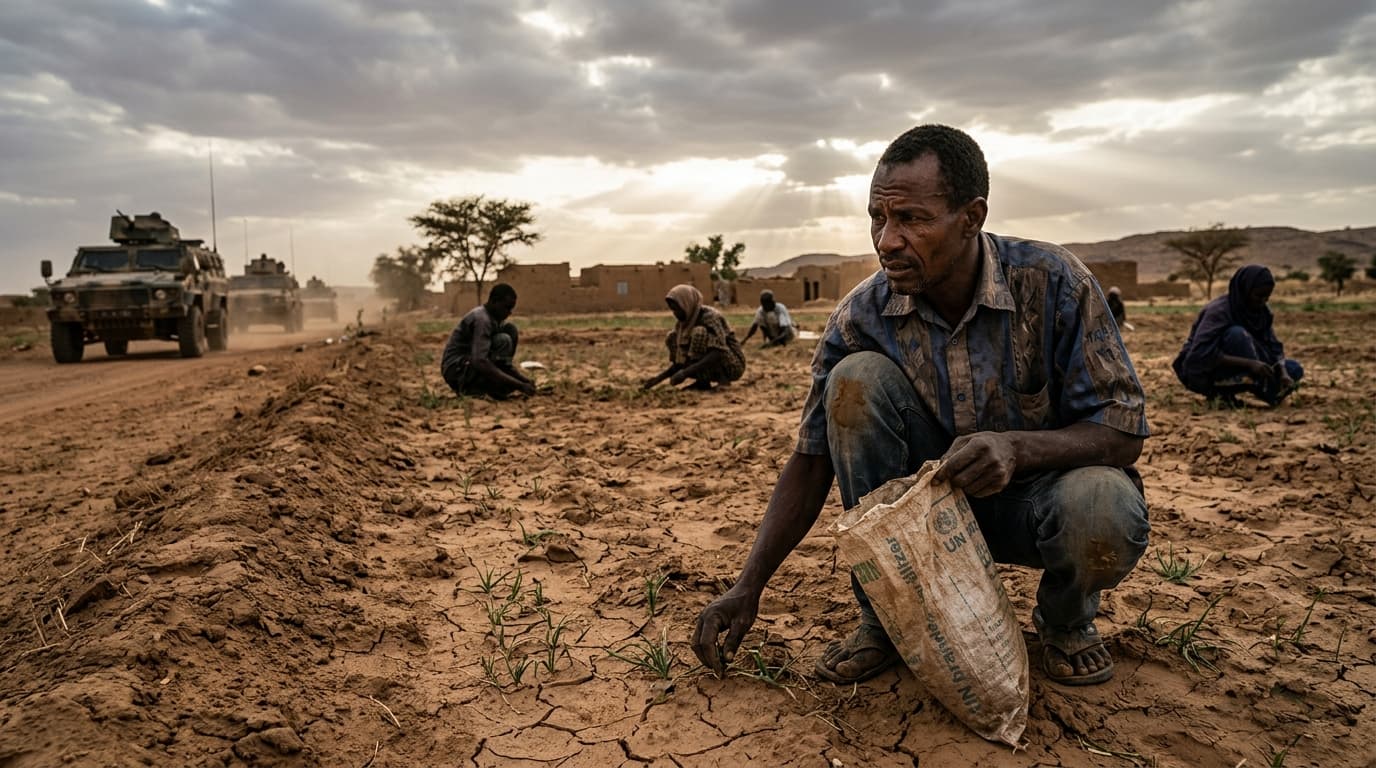
West Africa Food Crisis: Three Shocks in 2026
Conflict, climate extremes, and the Strait of Hormuz closure drive a severe food crisis in West and Central Africa, with fertilizer prices surging 80% and millions displaced.