Libya's Election Deal: A Path Forward?
Rival political bodies agree on elections by 2027.
Model Diplomat4 min readafrica
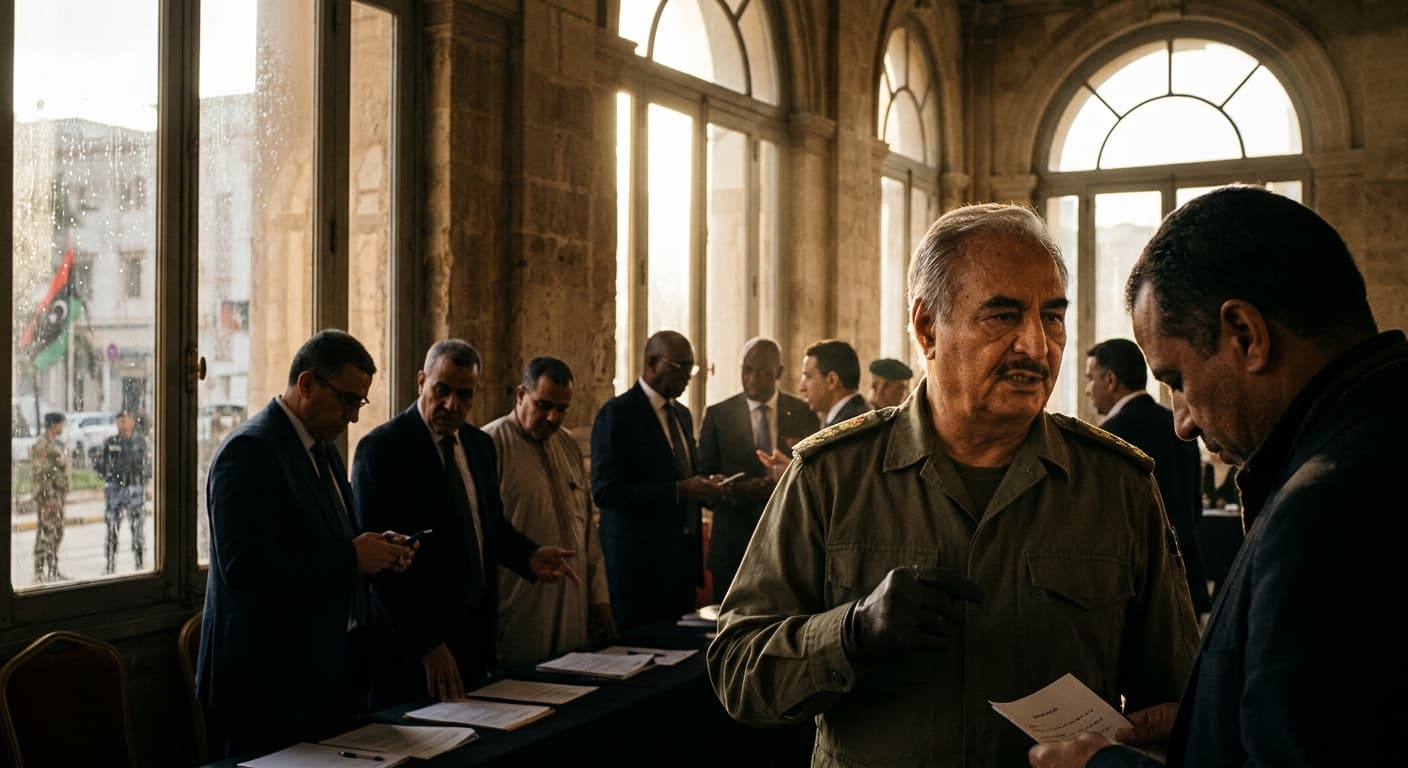
Libya's Three Councils Strike an Election Deal — But the Roadmap Runs Through One Man
The heads of Libya's rival political bodies agreed Thursday to hold simultaneous presidential and parliamentary elections by February 2027, but the deal leaves the country's most powerful military actor outside the tent — and his next move will determine whether this is a breakthrough or another false start.
On June 18, 2026, the heads of Libya's three main political bodies — Speaker of the House of Representatives Aguila Saleh, High Council of State Chairman Mohammed Takala, and Presidential Council Chairman Mohamed al-Menfi — signed a "principles document" laying out an eight-month roadmap to simultaneous presidential and parliamentary elections, with a hard deadline of February 2027. The agreement was confirmed in a joint statement and reported by Africanews,
Anadolu Agency, and
CGTN. The three leaders agreed to form a supreme committee to oversee implementation and to begin work on the constitutional and legal framework, economic reforms, and the unification of sovereign institutions.
The power dynamic here is deceptively simple. Menfi and Takala control the internationally recognized western apparatus in Tripoli — but it is Saleh who holds the eastern card, and by extension, the buy-in of Field Marshal Khalifa Haftar's Libyan National Army, which controls the oil crescent and much of the country's territory. The three men signed. Haftar did not. That gap is the entire story.
The Architecture of the Deal
The roadmap anchors itself in three existing frameworks: the 2011 Constitutional Declaration, the 2015 Libyan Political Agreement signed in Morocco, and the outcomes of a prior trilateral meeting in Cairo under Arab League auspices. This is not a new constitutional moment — it is an attempt to activate what already exists on paper, a fact that both constrains its ambition and gives it legal cover.
The document calls for unifying sovereign institutions, strengthening national sovereignty, and preparing a unified budget for 2027. Anadolu reports that the roadmap also includes economic and financial reforms "aimed at protecting public funds" — a nod to the illicit currency scandal that UN Special Representative Hanna Tetteh flagged last year, when $1.8 billion in unregistered dinar notes were discovered circulating outside formal channels.
The Arab League was quick to endorse the deal, with Secretary-General Ahmed Aboul Gheit calling it "a significant breakthrough toward ending the prolonged political division." The Qatar News Agency reported that Cairo — which has long been the eastern faction's primary Arab patron — hosted the earlier trilateral meeting that paved the way for this agreement. That the League's endorsement came within 48 hours signals that Cairo and Doha are, for now, aligned behind the same process.
Why This Time Might Be Different — and Why It Might Not
Libya has been here before. Presidential elections were scheduled for December 2021, then postponed indefinitely when the country's rival institutions could not agree on candidate eligibility rules — specifically whether Saif al-Islam Gaddafi and Haftar himself could run. The UN-backed Government of National Unity in Tripoli and the eastern administration based in Benghazi and Tobruk have spent the intervening years governing parallel states, each with its own central bank branch and oil revenue disputes.
What has shifted since 2021? Two things. First, the UNSMIL-facilitated structured dialogue — engaging roughly 120 Libyans across governance, security, economy, and human rights tracks — produced nearly 600 recommendations, as Mirage News reports from Tetteh's Security Council briefing. That process has given the political class a menu of options that did not exist four years ago. Second, a November 2025 joint statement from the US, Egypt, France, Germany, Italy, Qatar, Saudi Arabia, Turkey, the UAE, and the UK — reported by
Kuwait News Agency — explicitly backed the UNSMIL roadmap and urged east-west military coordination. That level of great-power alignment behind a single process is rare and, if it holds, creates a cost structure for spoilers that did not exist in 2021.
But the caution is warranted. The eastern-based Libyan National Army's reaction was described as "cautious" — and Haftar's forces control the territory where voting would need to occur. Without his explicit, operational buy-in — not just Saleh's political signature — the electoral machinery cannot reach large swaths of eastern and southern Libya. The UN mission itself has warned that the window for action is narrowing.
What to Watch Next
The supreme committee's composition will be the first real test. If it includes representation acceptable to the LNA general command, the roadmap gains credibility. If it becomes another Tripoli-dominated body, Haftar will have his pretext to walk.
The constitutional and legal framework — the same issue that sank the 2021 elections — remains the hardest unsolved problem. The three councils have committed to completing it, but they have not specified how they will resolve the candidate eligibility question that fractured the last attempt.
Finally, watch the February 2027 deadline itself. It is both a target and a pressure point. If the committee cannot deliver a completed framework and a reconstituted electoral commission within the next several months, Tetteh has already warned she would return to the Security Council with "alternative proposals" — a signal that the international community's patience with Libyan-led processes has an expiration date.
For now, the three men have signed. The fourth — the one with the guns — has not. That is the equation that will determine whether February 2027 produces a president or another footnote in Libya's 15-year transition.
Discover more

India
Delhi CM Rekha Gupta Blasts Opposition's Delm
Delhi CM Rekha Gupta's remarks on women's quota defeat reveal BJP's strategy for the 2029 Lok Sabha elections, focusing on delimitation.
US Politics
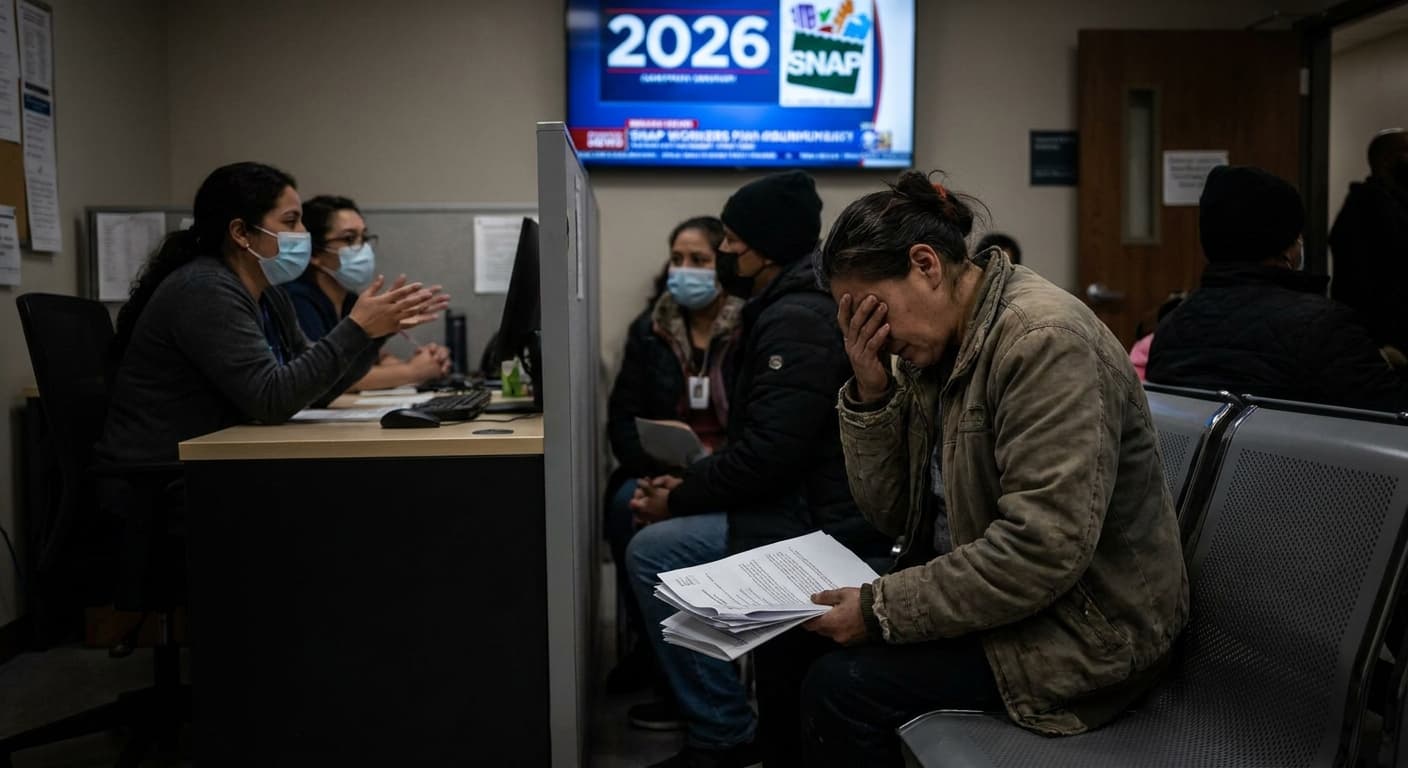
SNAP Food Assistance Faces Legal Challenges
In 2026, SNAP faces stricter eligibility rules and mounting legal challenges, threatening food assistance for the millions of Americans who rely on the program.
India
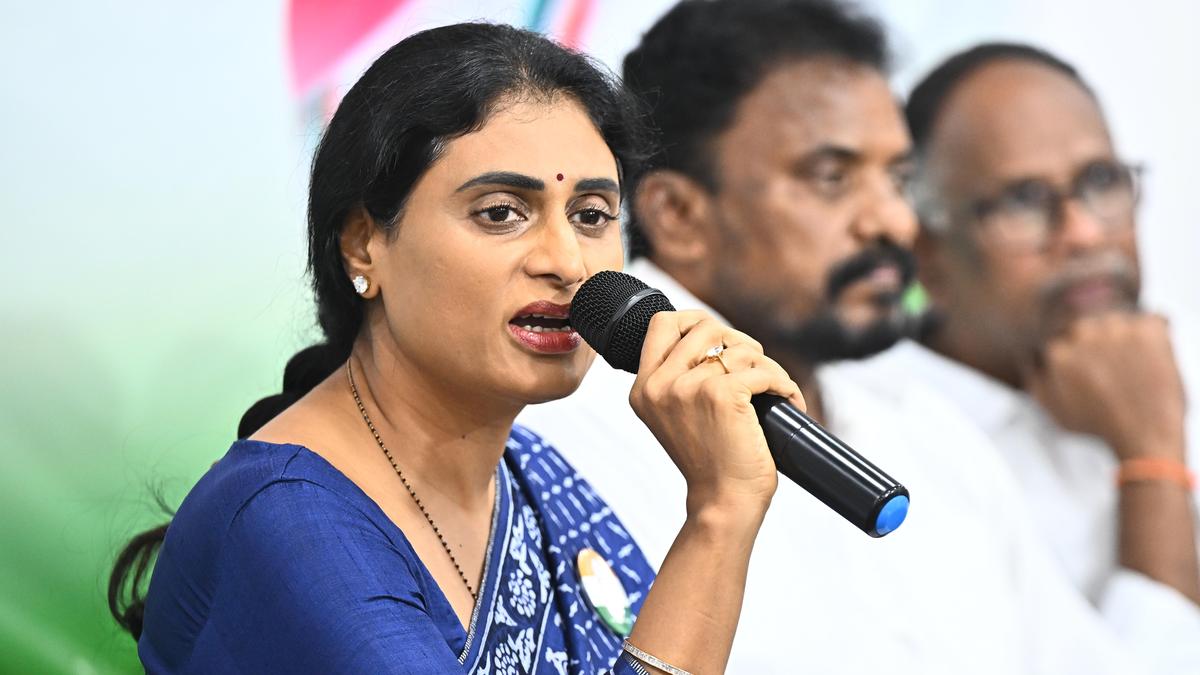
Congress Advocates 33% Women’s Quota
Congress calls for a 33% women's reservation in the existing 543 Lok Sabha seats, countering Modi's plan to expand the house to 850 seats.
Economics
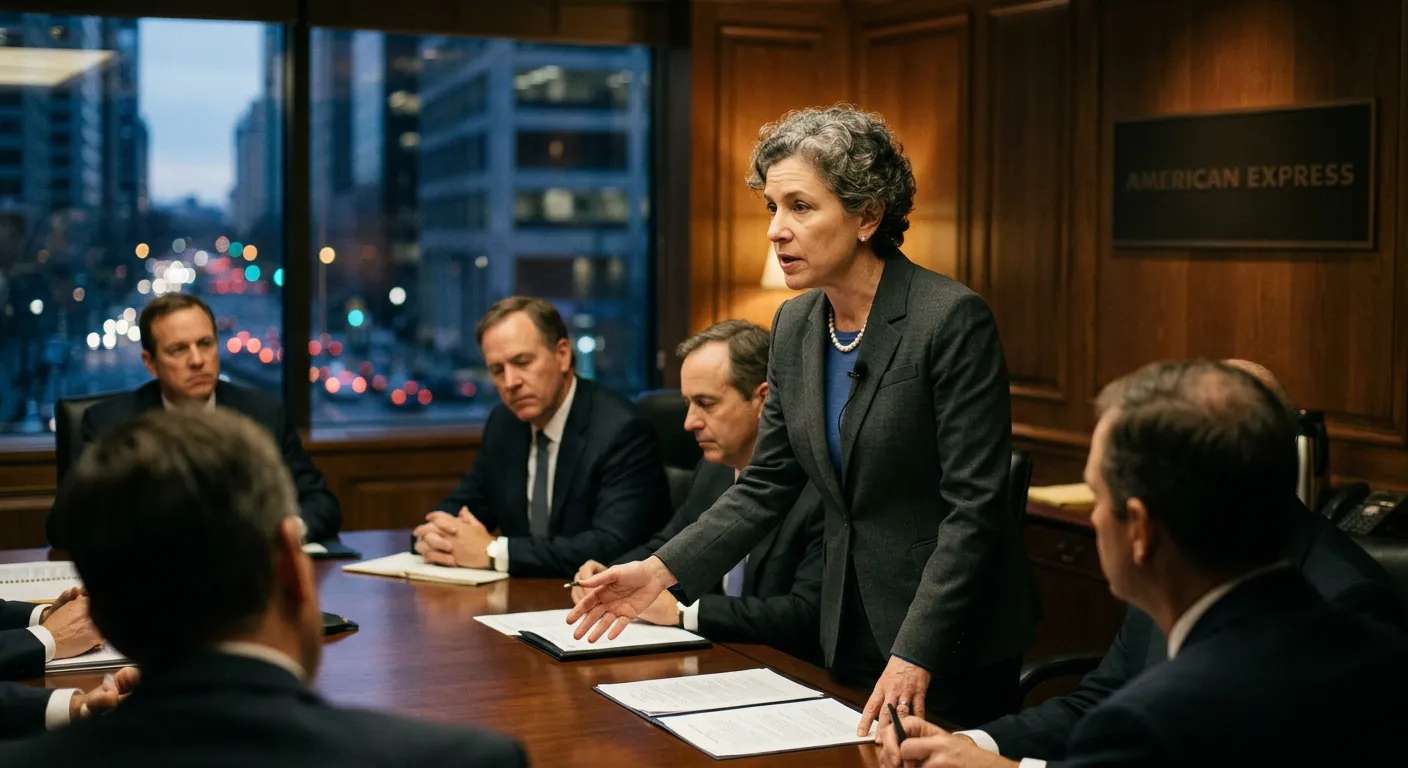
Fed's Amex AML order puts correspondent banking on notice
Federal Reserve's Amex AML order requires board-level controls and a 90-day plan; OCC fined the bank $350 million over enterprise-wide deficiencies.