India's Migration Policy: Rights vs Control
India's migration policy framed as a rights issue for control.
Model Diplomat2 min readAsia
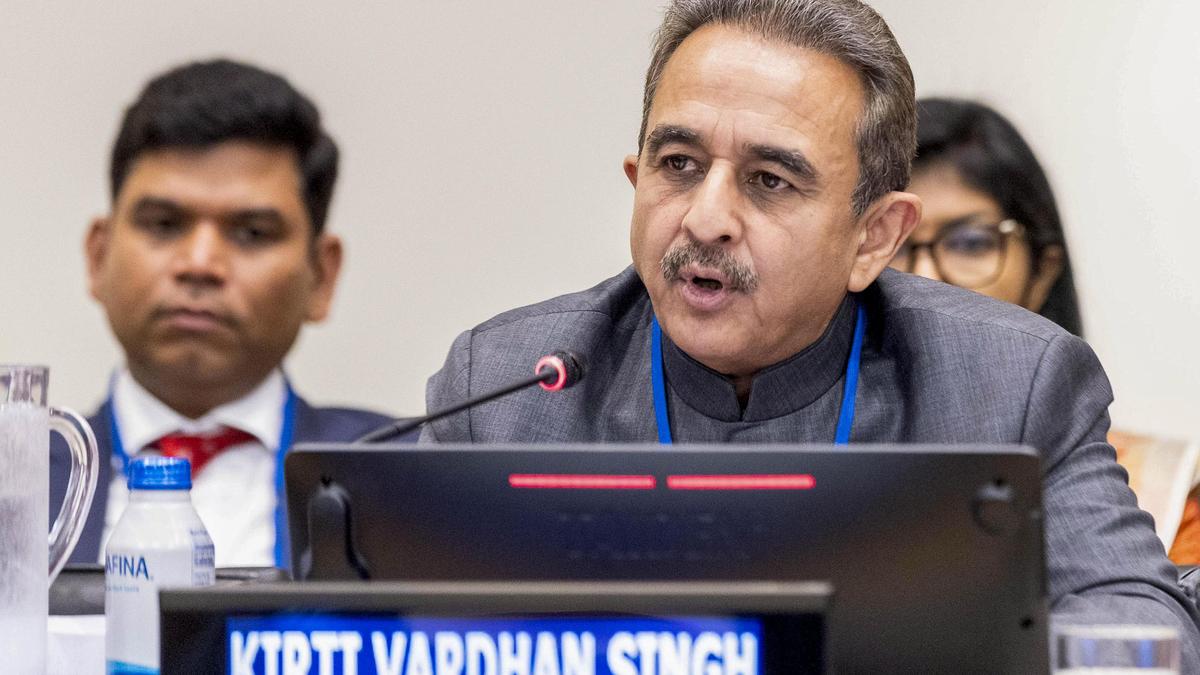
Kirti Vardhan Singh's Rights-First Migration Gambit
New Delhi is casting migration as a rights issue, but the real prize is tighter control over overseas labour flows, remittances and bilateral leverage.
Kirti Vardhan Singh’s framing of India’s migration policy as grounded in dignity and rights is less a slogan than a signal of state strategy. India now has nearly 18.5 million citizens abroad and issued 3,73,434 emigration clearances in 2022, so migration is a core economic file, not a side issue. The Hindu,
The Hindu
Leverage, not sentiment
The power dynamic is straightforward: New Delhi wants more control over labour export while insulating itself from abuse cases, recruitment scandals and geopolitical shocks. That is why External Affairs Minister S. Jaishankar said last May that the 1983 Emigration Act was built for “a particular geography in a certain era,” and that the government is studying legal mobility for a very different labour market. The Hindu
This is also why India has been widening mobility deals with destination states. The 2023 agreement with Italy was not just about workers; it was about creating a managed corridor for students and professionals, with the state on both sides deciding who moves, on what terms, and under what legal cover. On India, that matters because migration is becoming a tool of foreign policy as much as labour policy.
The Hindu
Who gains, who loses
The likely beneficiaries are the Ministry of External Affairs, licensed recruiters, and destination governments that want predictable labour pipelines. The losers are the low- and semi-skilled workers who still pay inflated recruitment fees, rely on opaque subagents, and absorb most of the risk when contracts are broken or host-country rules change. Critics of India’s proposed overhaul argue that rights need to be enforceable — not just declared — if the system is to curb debt bondage, fee extraction and deskilling. The Hindu,
The Hindu
That is the deeper implication of Singh’s language: it creates political room for expansion. India can present migration as humane while still pursuing a harder objective — diversifying away from overdependence on the Gulf, where millions of Indian workers remain exposed to labour-rule changes and regional instability. The broader Global Politics lesson is that migration management is now a strategic asset, not just a consular burden.
Frontline
What to watch next
Watch for whether this rhetoric turns into law. The next test is a revised emigration framework with clearer standards on recruitment fees, grievance redress, and portability of benefits — and whether India uses new bilateral deals to lock those protections in. The speech is the signal; the bill text will show whether the state is serious.
Discover more
India
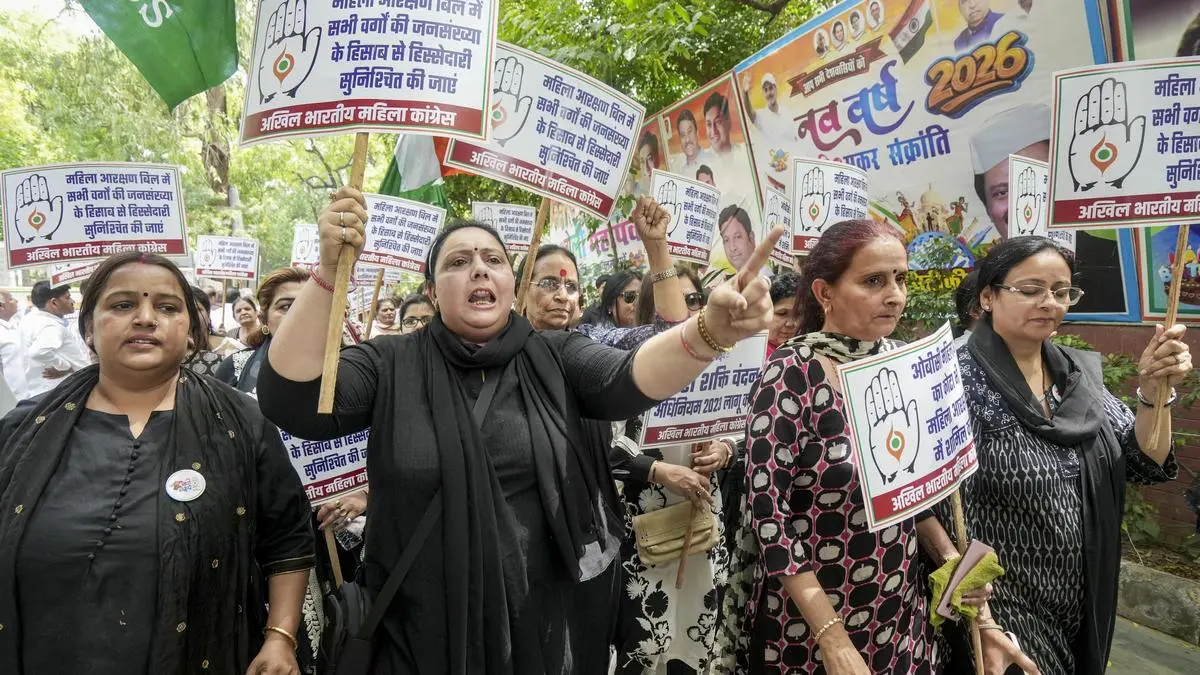
BJP's Misunderstanding of Women's Quota Needs
The BJP's linking of the Women Reservation Bill to delimitation risks delaying women's empowerment in India, misreading the aspirations of female voters.
India
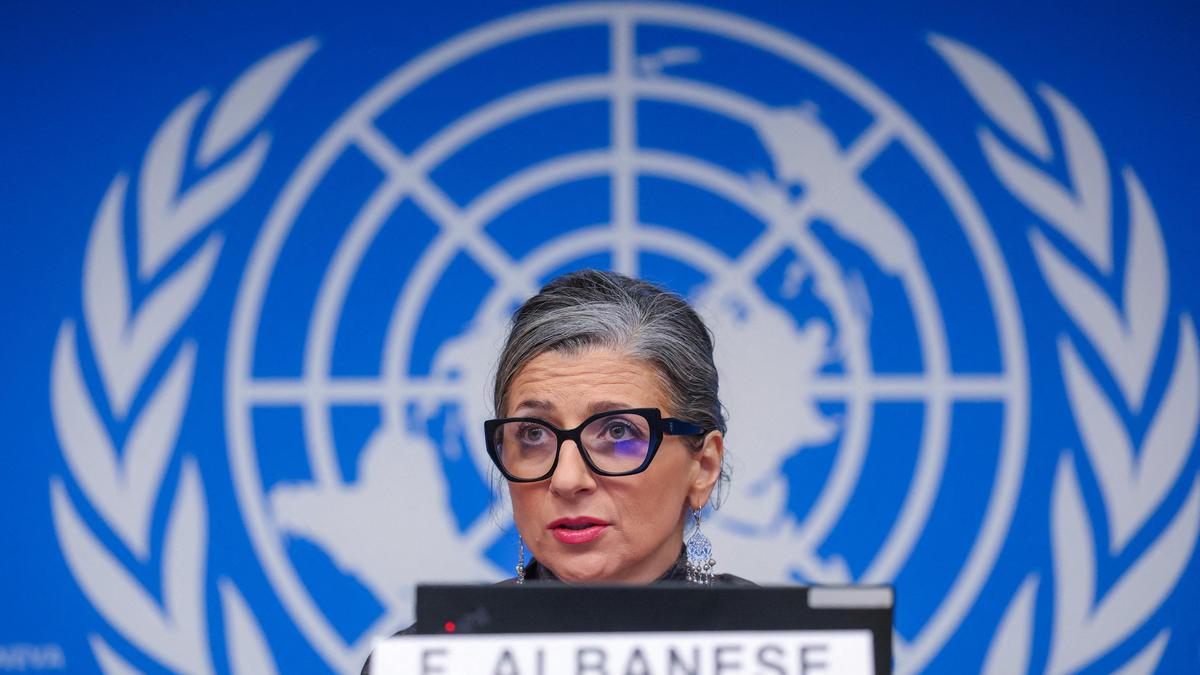
UN Expert Albanese: India Violates Law
UN Rapporteur Francesca Albanese accuses India of breaching international law, spotlighting human rights concerns in Kashmir and prompting diplomatic pushback.
India
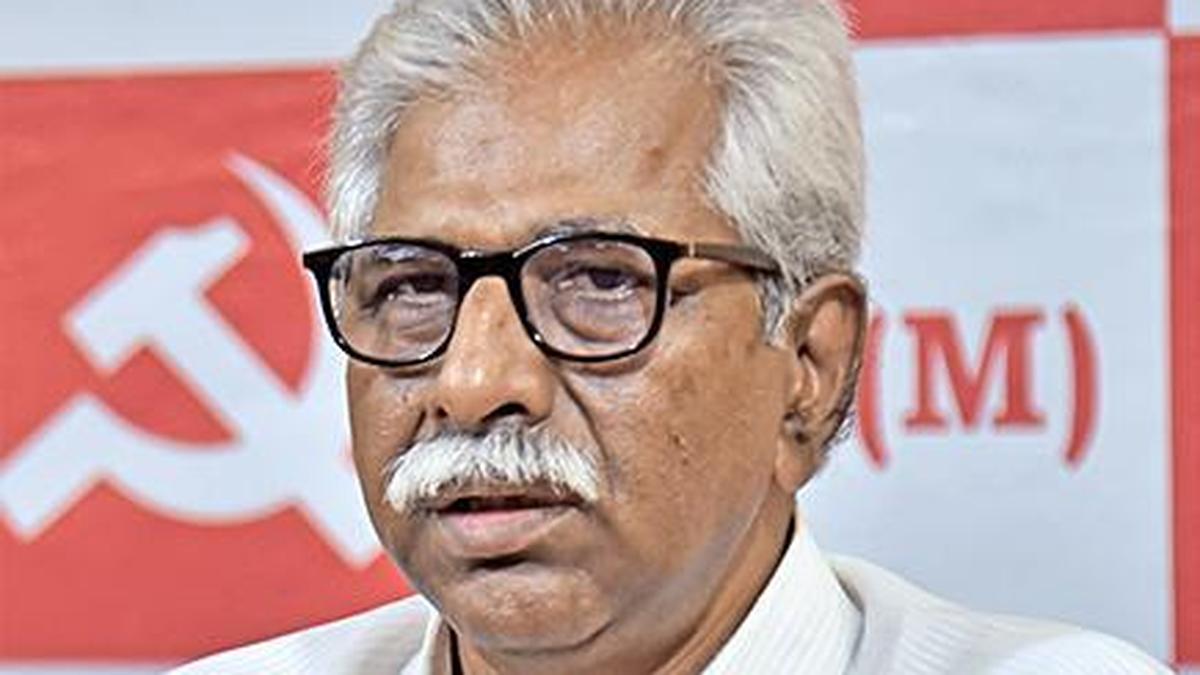
CPI(M) Calls to Decouple Quota from Delimita
CPI(M) advocates for a 33% women's quota in Lok Sabha by 2029, removing the need for delimitation and census linkage.

Conflict & Security
Drone Warfare Killing Aid Workers at Unprec
Over 1,000 humanitarian workers killed in three years as cheap armed drones collapse legal protections. Gaza, Sudan, Ukraine, and DRC see deliberate targeting of aid convoys and hospitals with zero prosecutions.

