Karnataka Leader Critiques Premature Seat Pro
Ugrappa criticizes early estimates of parliamentary seat changes
Model Diplomat2 min readKarnataka
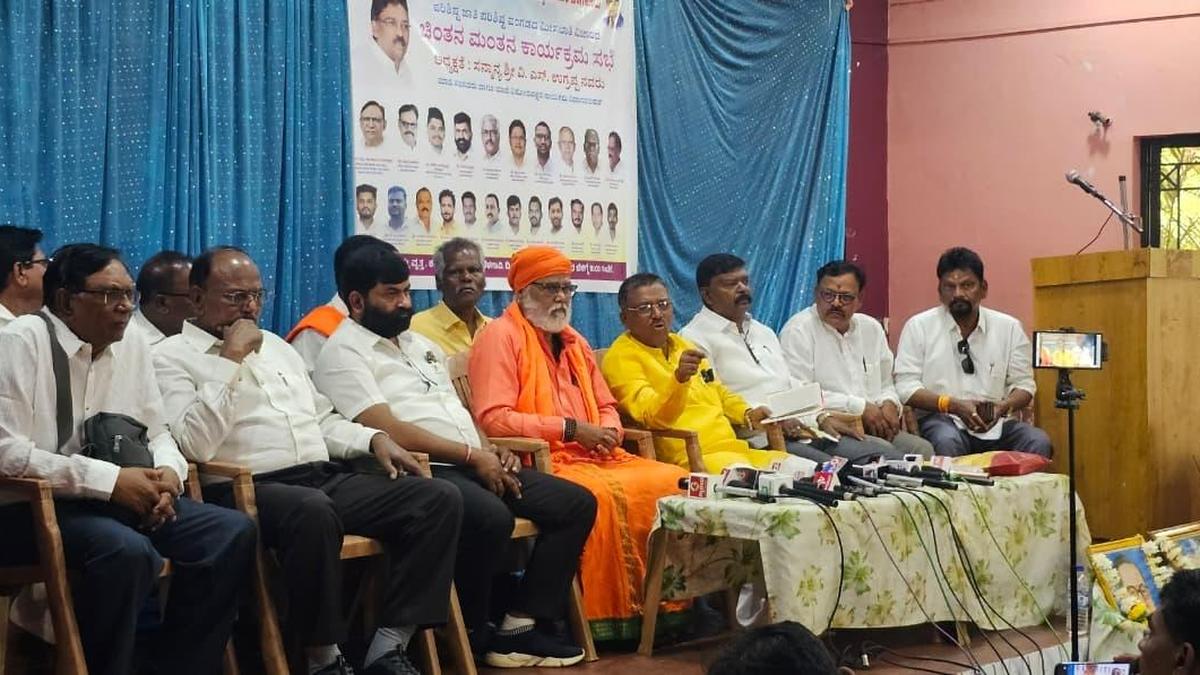
Estimating Parliamentary Seat Changes Before Delimitation Breaches Norms, Karnataka Leader Warns
Ramakrishna Hegde Ugrappa says predicting seat changes ahead of formal delimitation undermines electoral integrity and constitutional principles.
Karnataka Congress leader H. Ugrappa sharply criticized attempts to estimate changes in parliamentary seats ahead of the upcoming delimitation process, calling such actions a violation of established norms. The delimitation exercise, constitutionally mandated, is intended to redraw parliamentary and assembly constituencies based on the latest population data to ensure balanced representation.
Ugrappa’s comments, reported by The Hindu on April 21, 2026, emphasize that premature predictions on seat changes risk politicizing the process, which should remain neutral and data-driven. He stressed that any speculative talk on seat shifts before the Delimitation Commission completes its work undermines public trust and the credibility of electoral adjustments.
Why Delimitation Matters
Delimitation adjusts the boundaries and number of seats in legislative bodies to reflect demographic changes, preventing disproportionate representation. In India, delimitation is sensitive due to regional population disparities, political rivalries, and the balance of power between states.
The last nationwide delimitation was conducted in 2008, and Karnataka in particular saw shifts in its parliamentary seats then. Now, ahead of the expected delimitation based on 2021 Census data, political parties are highly invested in predictions since changes can affect electoral fortunes and party strategies.
This matter is not just technical; it has profound political stakes. Early estimates may encourage parties to lobby or influence the commission covertly, jeopardizing the commission's independence. Ugrappa’s warning signals concerns about such interference and the potential erosion of democratic safeguards.
What to Watch Next
The Delimitation Commission’s timeline and approach will be closely watched. It is tasked with conducting a transparent, apolitical review, but political pressures are inevitable. How the Commission handles complaints, submissions, or lobbying efforts will reveal its commitment to objectivity.
Stakeholders should monitor any leaks or unofficial seat projections in the coming months, which could serve as early indicators of political maneuvering. The interplay between Karnataka’s regional leaders, central political parties, and the commission will shape the political landscape as the 2029 general elections approach.
In sum, Ugrappa’s criticism highlights a crucial tension in Indian democracy: the need for impartial delimitation amid intense political competition. This episode underlines the importance of safeguarding constitutional processes from premature politicization.
For further context on India’s electoral system and delimitation, see India Politics.
Discover more
India
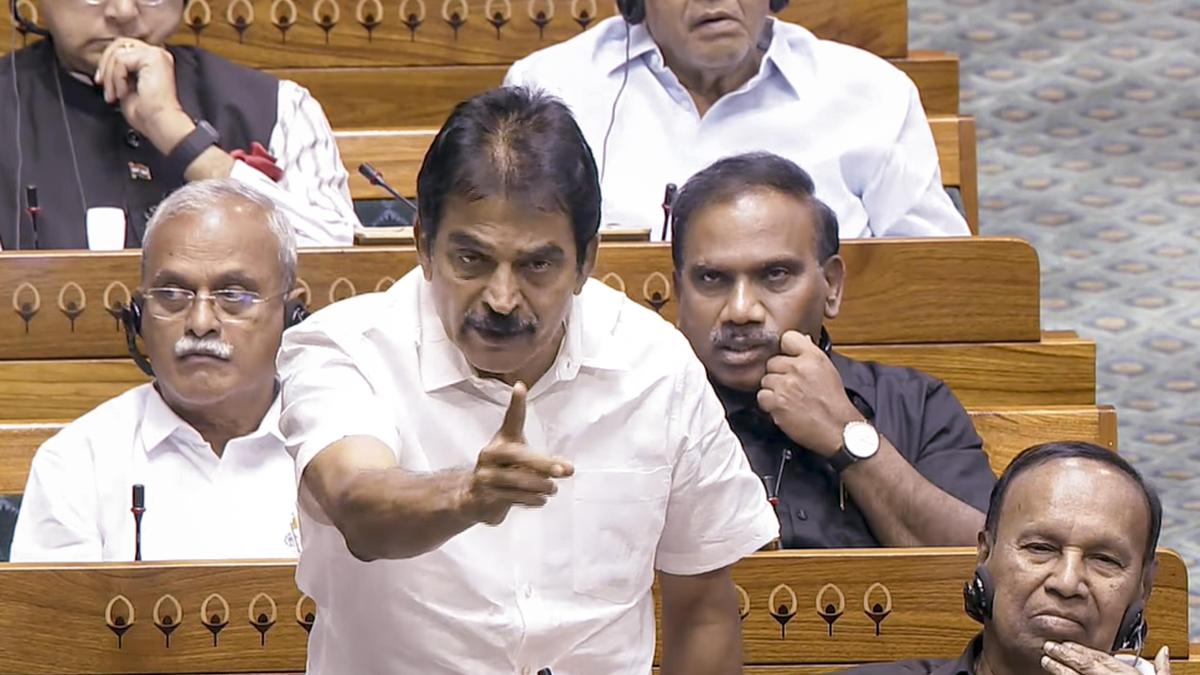
BJP's Delimitation Strategy
Congress leader K.C. Venugopal claims the BJP uses women's reservation to advance delimitation, raising fears over electoral fairness ahead of the 2029 polls.
India
Congress Accuses Modi of Stalling Women's Law
Congress accuses Modi of stalling women's reservation law by linking it to delimitation, revealing a deeper electoral strategy.
India
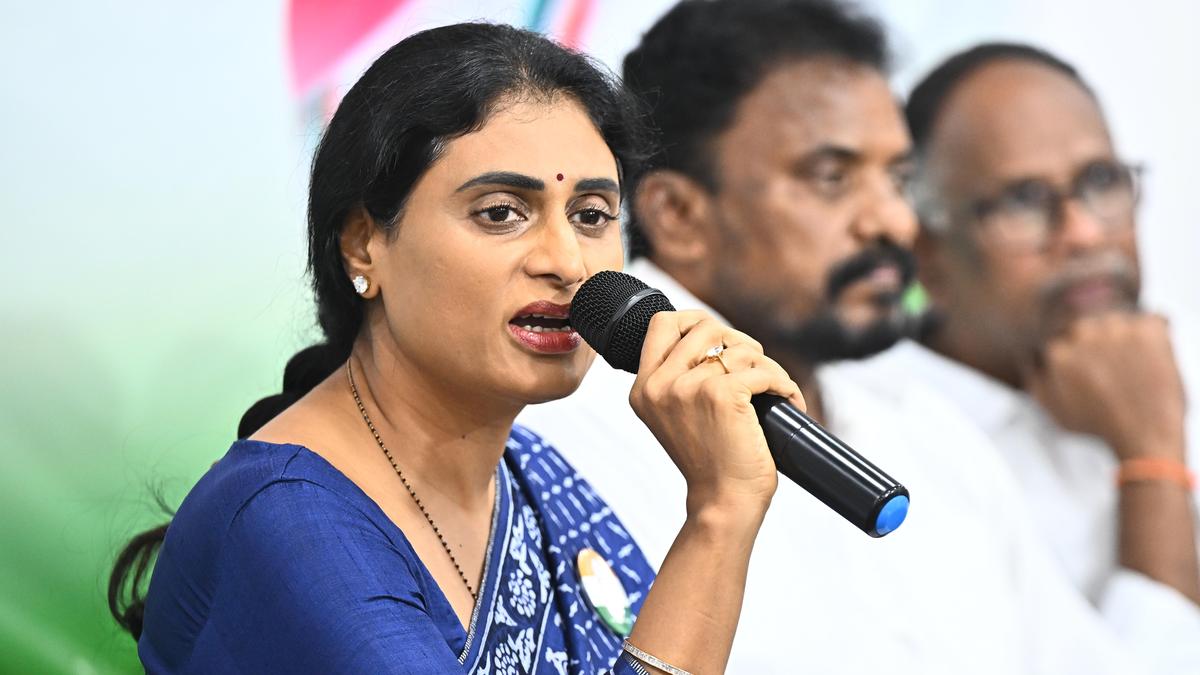
Congress Advocates 33% Women’s Quota
Congress calls for a 33% women's reservation in the existing 543 Lok Sabha seats, countering Modi's plan to expand the house to 850 seats.

Economics
Fed's Amex AML order puts correspondent banking on notice
Federal Reserve's Amex AML order requires board-level controls and a 90-day plan; OCC fined the bank $350 million over enterprise-wide deficiencies.