Israel's Pressure Tactics in Lebanon
Israel escalates military actions in southern Lebanon.
Model Diplomat3 min readMiddle East
Israel deepens Lebanon pressure with strike-and-order tactic
Three were killed in south Lebanon as Israel widened evacuation warnings, using force to shape the next round of talks with Beirut.
Israel is tightening the vise on southern Lebanon: at least three people were killed Monday in drone strikes on vehicles in the Nabatieh area, and the Israeli military then ordered residents of 10 villages to leave ahead of expected strikes, according to Al Jazeera. The message is not just military. It is bargaining power. Israel is trying to make the cost of staying high enough that Lebanon will accept a settlement on Israeli terms — above all, pressure on Hezbollah and more room for Israeli operations along the border.
The battlefield is being used to shape the talks
The immediate facts are stark. The deaths came from strikes on the Kafr Rumman-Jarmaq highway and the Jarmaq-Khardali road, while the evacuation order covered towns including Nabatieh al-Tahta, Ain Qana, Harouf and Kfar Reman, all in the south, Al Jazeera reported. Lebanese authorities say more than 3,000 people have been killed since fighting resumed on March 2, and the Israeli military said one of its soldiers was killed in southern Lebanon on Monday, with Israeli media attributing the casualty to a Hezbollah drone attack,
Al Jazeera said.
This is coercive geography. Israel is not only hitting alleged Hezbollah targets; it is redefining who can live, move, and rebuild near the frontier. That pattern has been visible for weeks. The BBC reported on March 4 that Israel told civilians in a large swathe of southern Lebanon to move north of the Litani River, triggering mass displacement.
NPR has described the destruction of homes, bridges, and other infrastructure as part of Israel’s effort to create a buffer zone. For residents in south Lebanon, the practical effect is the same: leave now or risk being caught in the next strike.
Beirut is trying to turn pressure into diplomacy
Lebanon has little military leverage, so it is trying to use Washington and the ceasefire process as its counterweight. President Joseph Aoun said Monday that Israel’s withdrawal from Lebanese territory is a “non-negotiable” demand, and Beirut is preparing for a fourth round of US-brokered talks in early June, preceded by a military meeting at the Pentagon on May 29, Al Jazeera reported. That is the real calendar to watch.
The problem for Lebanon is that the ceasefire is functioning less like a truce than a framework for managed escalation. Al Jazeera reported last week that Israel has continued striking despite the US-mediated deal, while Hezbollah chief Naim Qassem has rejected direct talks and refused disarmament. That leaves the Lebanese state boxed in: it wants Israeli withdrawal and calm, but Hezbollah still has the capacity to keep the border hot. Israel benefits from that split because it can argue that any pause without Hezbollah’s disarmament is temporary.
What to watch next
The next decision point is May 29 at the Pentagon. If the military delegations produce even a limited enforcement mechanism, it could slow the air campaign and narrow the evacuation zone. If they fail, Israel is likely to intensify the same model seen this week: strike, warn, empty, repeat. The early-June talks will show whether Washington can impose discipline on either side — or whether southern Lebanon is headed for a deeper, more permanent depopulation pattern.
Discover more

International Relations
Pakistan's Key Role in US-Israel-Iran Meddle
Pakistan is seeking to mediate the US-Israel-Iran conflict, balancing high-stakes diplomacy against severe economic pressures and steep regional challenges.

Conflict & Security
Drone Warfare Killing Aid Workers at Unprec
Over 1,000 humanitarian workers killed in three years as cheap armed drones collapse legal protections. Gaza, Sudan, Ukraine, and DRC see deliberate targeting of aid convoys and hospitals with zero prosecutions.
Global
World Normalises Taliban as Afghan Women Eras
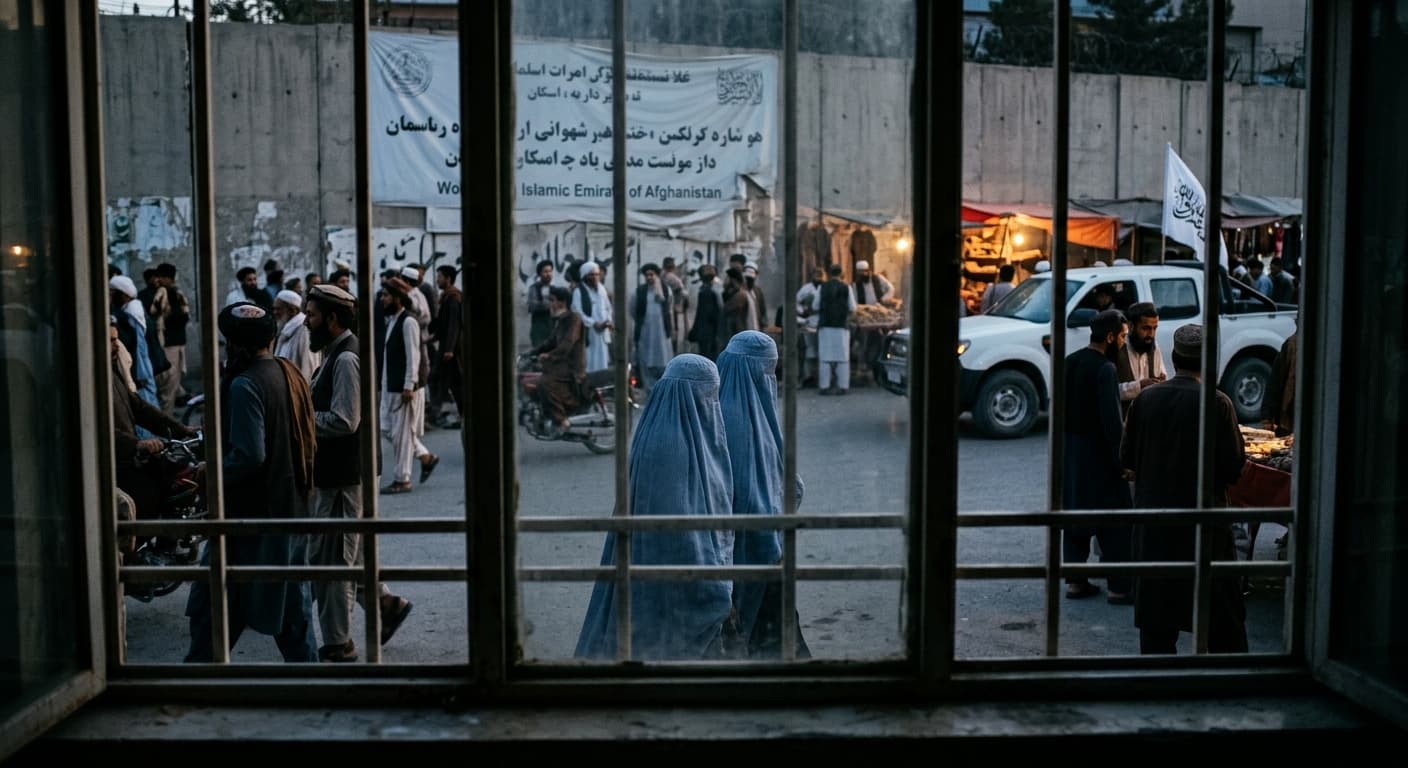
UN data shows Afghan women erased from public life as Russia recognises the Taliban, EU hosts officials in Brussels, and ICC warrants for gender persecution go unenforced.
Conflict & Security
West Africa Food Crisis: Three Shocks in 2026
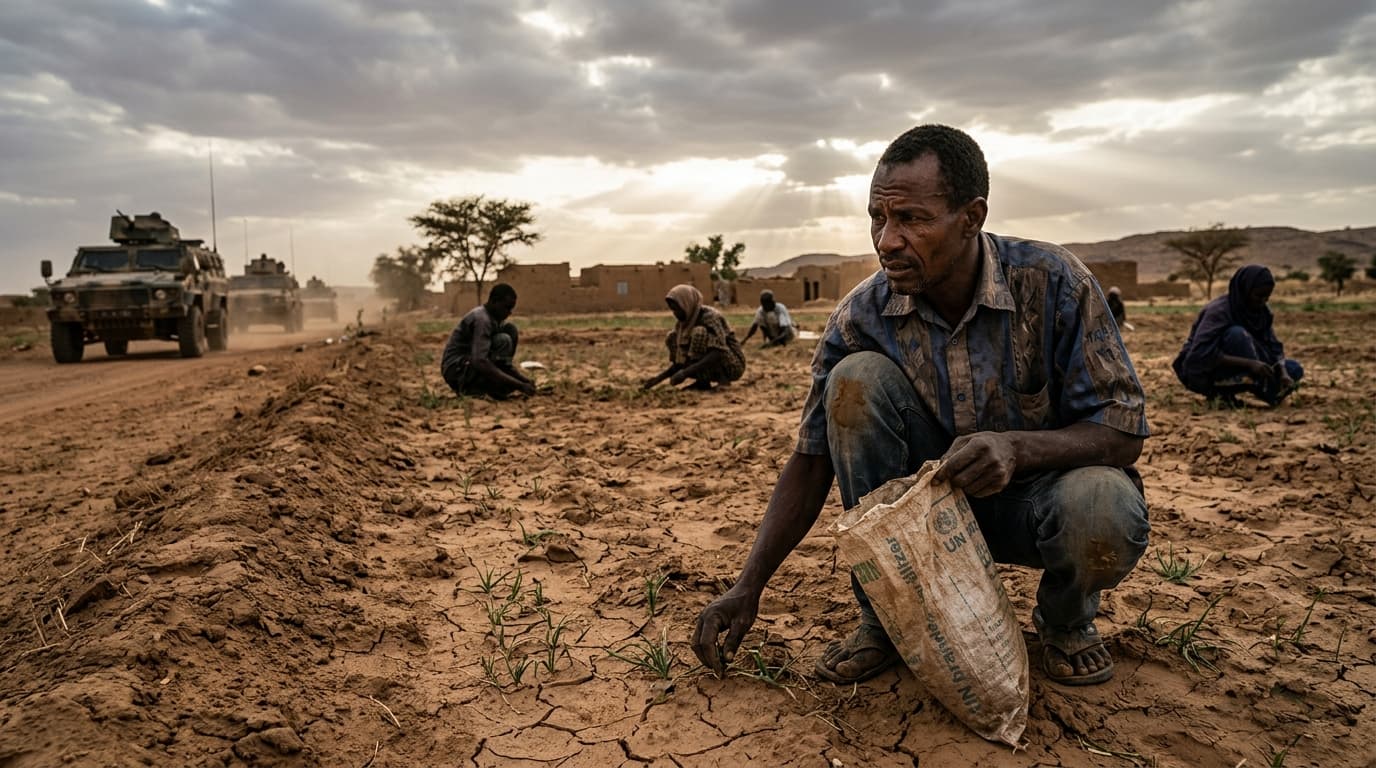
Conflict, climate extremes, and the Strait of Hormuz closure drive a severe food crisis in West and Central Africa, with fertilizer prices surging 80% and millions displaced.