Iran attacks ship in Strait of Hormuz, complicating diplomatic efforts to resume talks
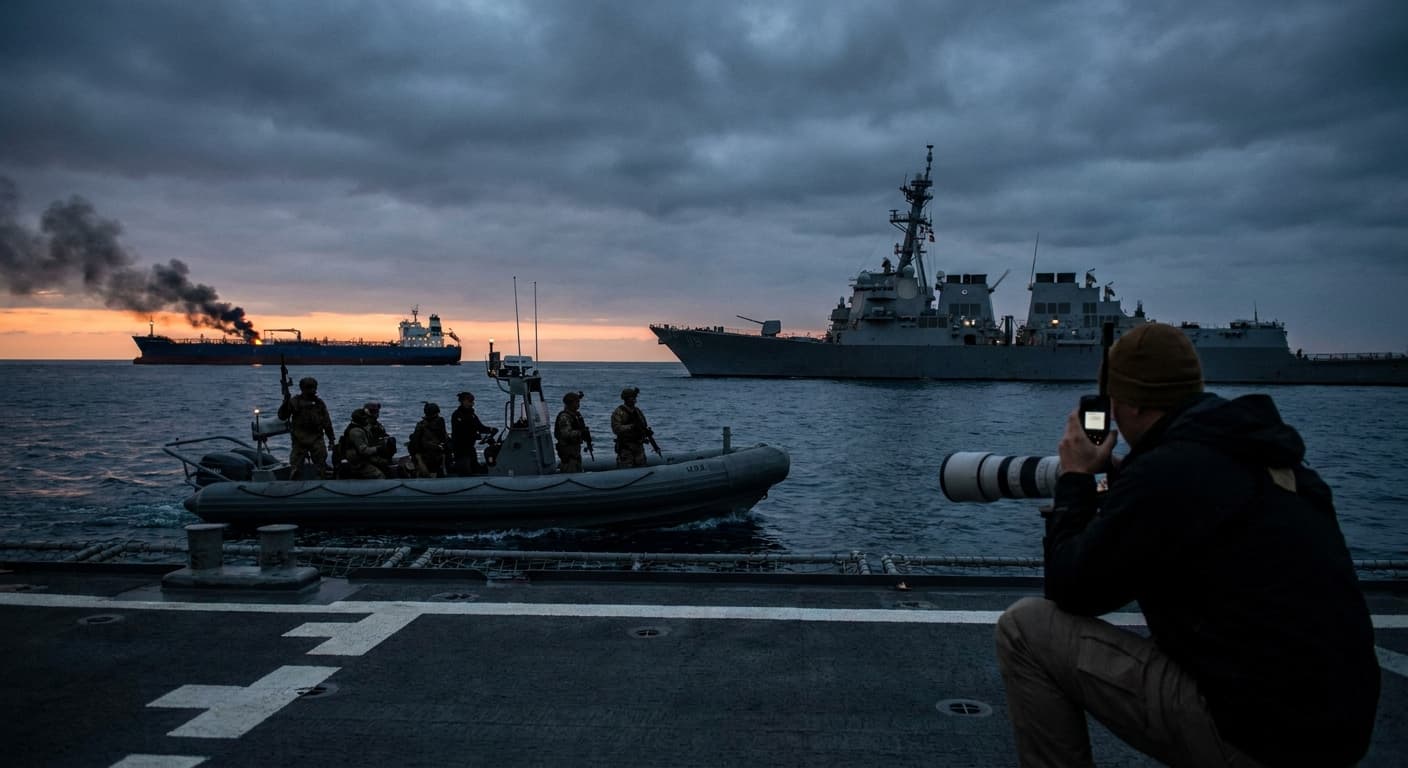
Iran's attack on two ships in the Strait of Hormuz on April 22, 2026, escalates risks and clouds ongoing diplomacy to de-escalate regional tensions.
Iran attacked two vessels in the Strait of Hormuz, a critical maritime chokepoint for global oil shipments, escalating an already volatile environment and complicating diplomatic efforts to revive talks with the United States and other stakeholders. This development comes amid a tenuous 10-day ceasefire between Lebanon and Israel, and ongoing indirect Iran-US negotiations aimed at easing the broader Middle East conflict.
Why this matters
The Strait of Hormuz is the gateway for about 20% of the world’s petroleum exports. Iran’s targeting of ships there signals a strategic use of the strait as leverage against Western powers, especially the U.S., whose military presence and sanctions regime Iran seeks to counterbalance. The attacks serve multiple strategic purposes: to pressure the U.S. in negotiations, disrupt global oil markets, and assert Tehran’s regional influence.
U.S. intelligence has warned that Iran is unlikely to relax its control of this chokepoint anytime soon. The Islamic Revolutionary Guard Corps (IRGC) uses asymmetric naval tactics to inhibit safe navigation and increase insurance costs for commercial shipping. This pressure tactic has kept oil prices elevated and strained Western allies reliant on Gulf energy supplies.
The incident also undermines recent diplomatic signals. Talks aimed at defusing tensions and possibly reaching an interim deal have encountered setbacks, and this aggressive maritime move further dims hopes for swift resolutions. Iran’s interplay with regional actors like Lebanon and Israel, amid volatile ceasefire conditions, intensifies the interconnected instability.
What to watch next
- Diplomatic responses: Western capitals, especially Washington and Brussels, will recalibrate their diplomatic approach. U.S. policymakers must balance between military deterrence and advancing talks with Iran.
- Maritime security: The risk premium on shipping through the Strait will likely rise, pushing international navies to consider greater escort and protection measures, increasing the risk of inadvertent confrontation.
- Oil markets: Expect continued volatility. Elevated energy costs could pressure global economies already strained by recent conflicts.
- Iran-US negotiations: Any attack complicates progress. Watch if Iran uses further pressure tactics or signals willingness to engage seriously in talks.
- Regional actors: The fragile ceasefire between Lebanon and Israel remains vulnerable to spillover, especially if Iran’s regional proxies escalate in response.
This incident marks a critical inflection point. Tehran's leveraging of the Strait of Hormuz exemplifies how control over key chokepoints amplifies geopolitical leverage, while simultaneously heightening the costs of unresolved conflicts. The international community’s ability to de-escalate this flashpoint will profoundly shape regional stability and global energy security.
For broader context on U.S.-Iran dynamics and Middle East geopolitics, see our  United States profile and Global Politics.
Sources: