Iran's Hormuz Strategy Amid Drone Tensions
Tehran's tactics signal ongoing tensions in Gulf diplomacy.
Model Diplomat3 min readMiddle East
Iran Uses Hormuz Leverage as Drone Attacks Test Truce
Tehran’s reply via Pakistan keeps diplomacy alive, but new Gulf drone incidents show the ceasefire is still only a pause.
Iran’s decision to send its response to the latest U.S. proposal through Pakistani mediators is less a breakthrough than a signal of bargaining power: Tehran is trying to force sequencing, with an end to hostilities first and the nuclear file later, according to The Guardian and
BBC. Iranian state media said the reply was delivered to Pakistan on Sunday, while Pakistan confirmed receiving it,
BBC reported.
Iran is using the choke point, not just the table
The leverage is the Strait of Hormuz. Washington’s proposal, as described by Al Jazeera, ties a settlement to reopening the waterway, rolling back Iran’s nuclear programme, and easing sanctions and port restrictions. Iran’s counter-position pushes the other way: first stop the war, then discuss maritime security and, only later, the nuclear question. That is not procedural nitpicking. It is a way to keep the most painful concession—the enrichment issue—off the table until the United States has already paid with sanctions relief and a loosening of the blockade.
For Global Politics, this is a familiar pattern: the side that can disrupt trade usually tries to turn that disruption into diplomatic sequencing. Iran can still threaten shipping and raise energy costs; the U.S. can still blockade ports and threaten renewed strikes. Neither side is strong enough to dictate terms outright, so both are using pressure to shape the order of concessions.
The drone strikes expose how fragile the truce is
That strategy is being tested by events on the ground. The Associated Press reported a cargo ship fire off Qatar after an unknown projectile hit the vessel, while the United Arab Emirates said it intercepted two drones and Kuwait said hostile drones entered its airspace.
BBC said the U.S. has been awaiting Iran’s reply while the ceasefire, in place since April 8, has already been repeatedly strained. Even without a formal collapse, the message to Gulf governments is the same: the ceasefire does not yet control the battlefield.
That matters because the countries most exposed here are not Washington and Tehran alone. Qatar, the UAE and Kuwait are absorbing the spillover; Pakistan is gaining diplomatic relevance by acting as conduit; and global oil and shipping markets remain hostage to the next incident. The United States may want a deal that stabilizes energy flows, but every drone report makes a clean diplomatic landing harder.
What to watch next
The key decision point is Washington’s answer to Iran’s text. BBC reported that President Donald Trump called a renewed strike against Iran “a possibility,” which raises the stakes if the White House judges Tehran’s reply as a rejection rather than an opening. Watch for three things over the next few days: whether Pakistan keeps both sides in the channel, whether Gulf drone incidents stop, and whether the U.S. treats Hormuz as the subject of a bargain or the lever for coercion.
Discover more
Global
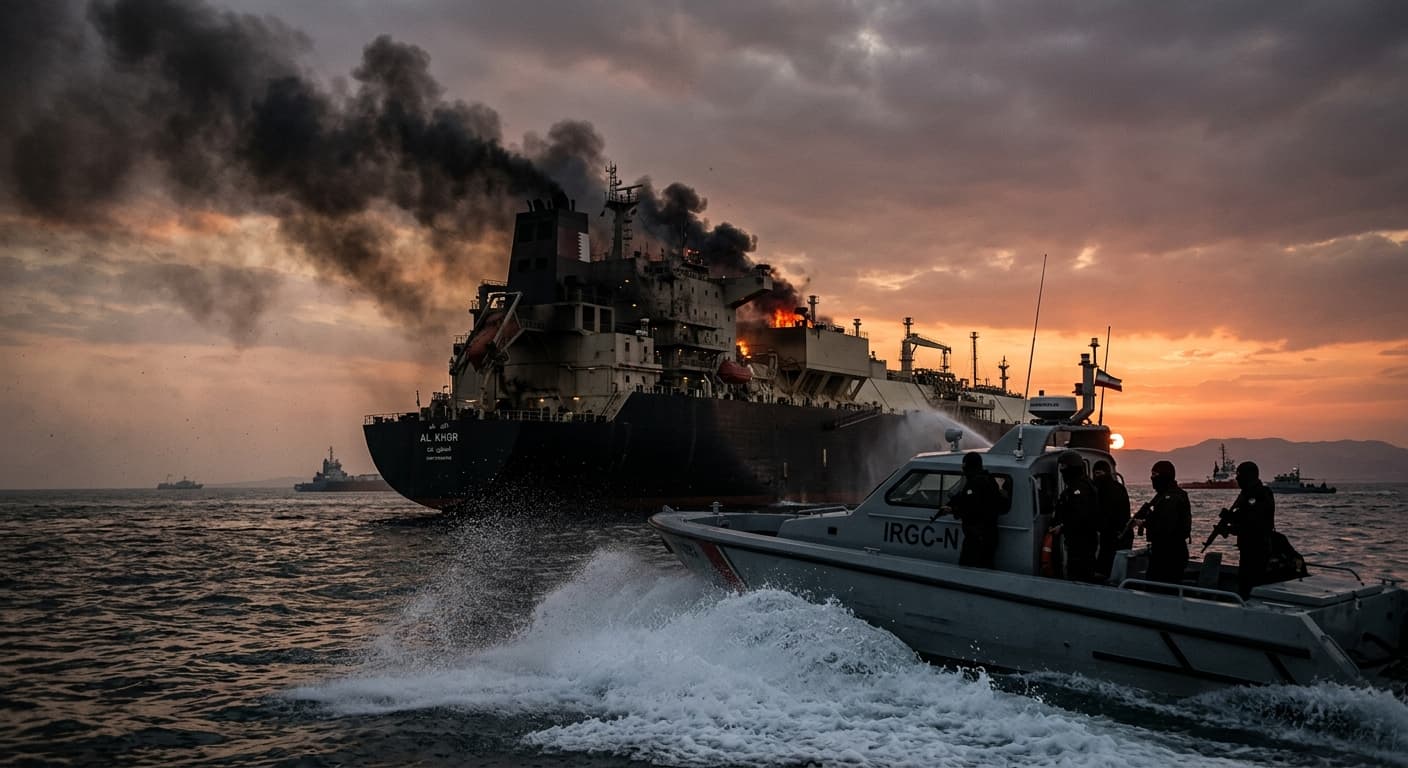
Qatari Tanker Strike Exposes Hormuz Tensions
A Qatari tanker was struck off Oman, revealing the fragility of the Hormuz ceasefire and Iran's influence over maritime security.
Global
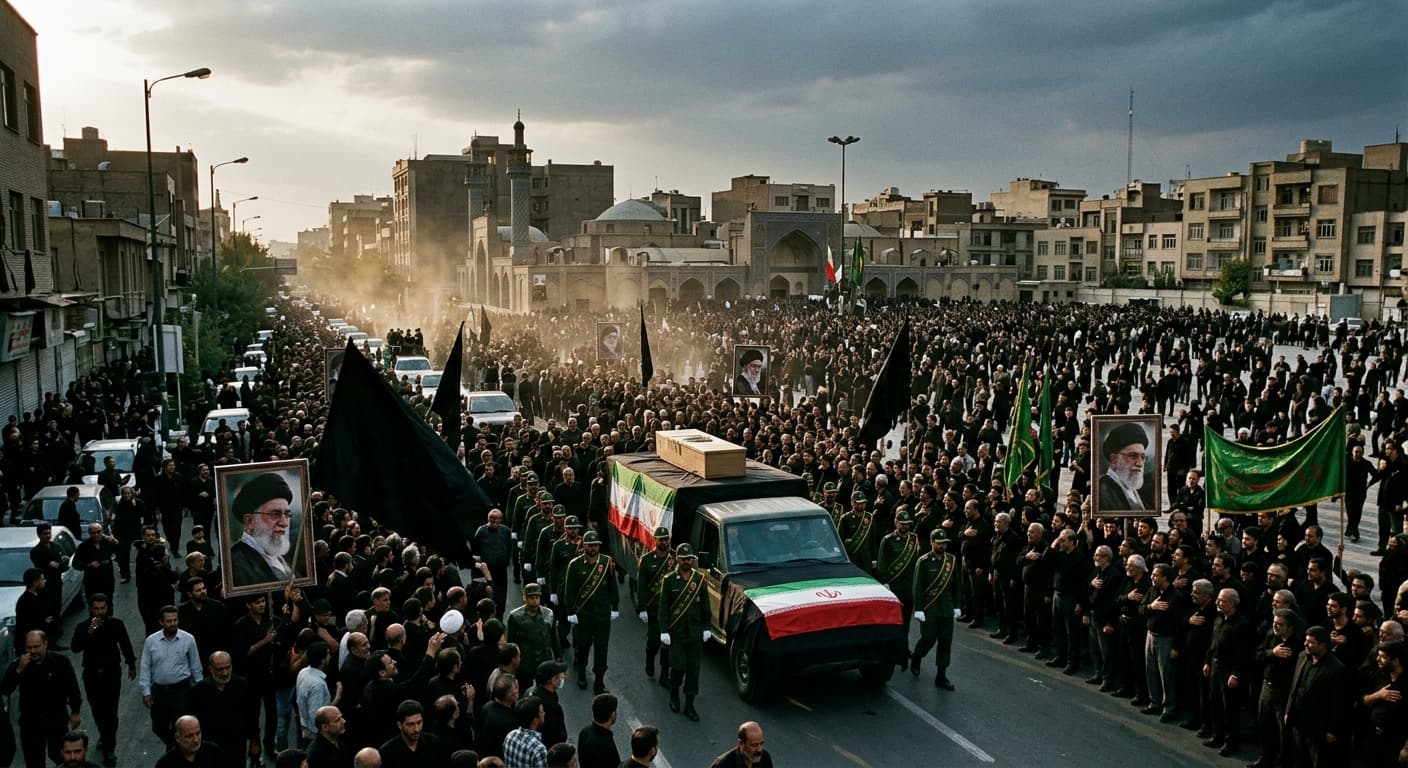
Khamenei's Funeral Signals Iran's Decline
The funeral of Ayatollah Khamenei highlights Iran's diminished influence in the Gulf, with regional powers now dictating terms.
Global
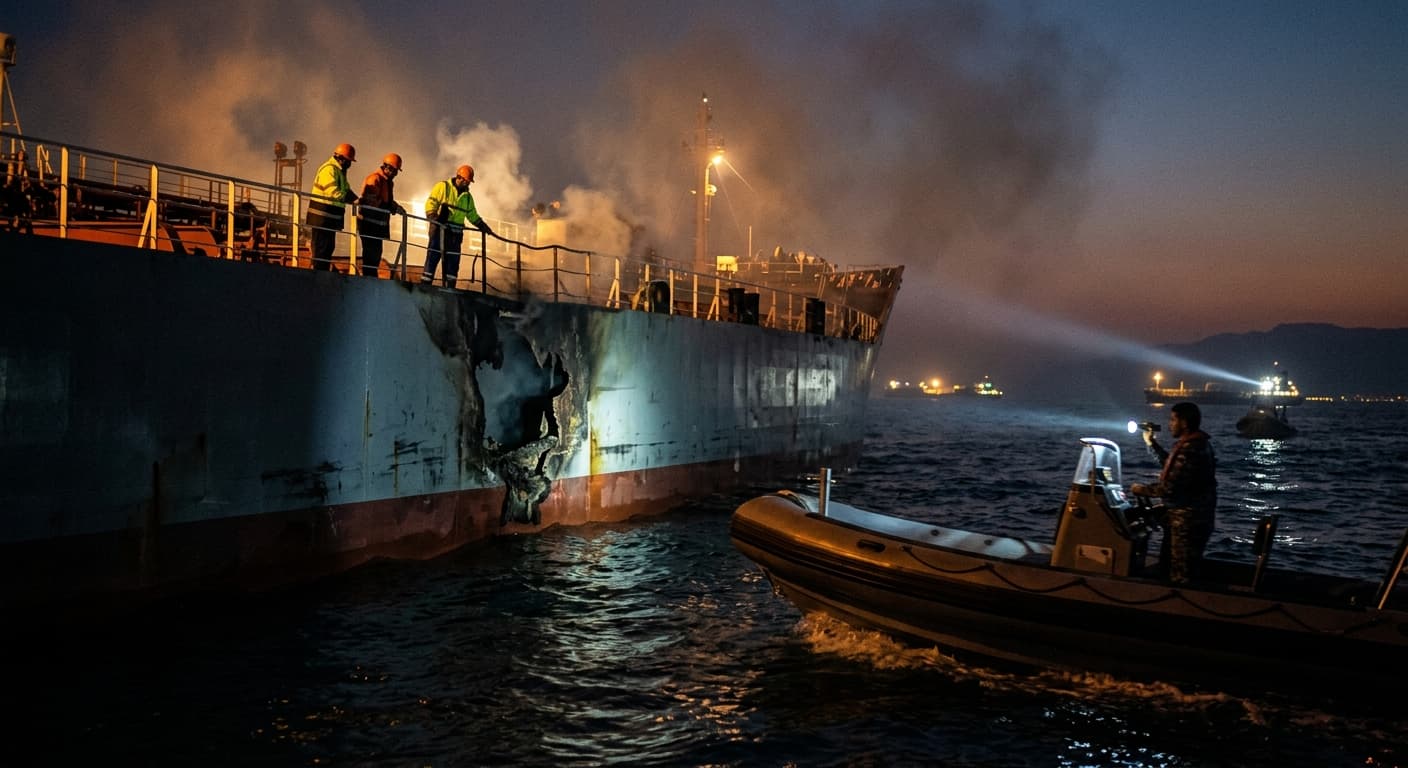
Iran's Hormuz Missile Strikes: A Toll Booth
Iran's missile attack on a Qatari-linked tanker highlights Tehran's strategy to control the Strait of Hormuz, impacting Gulf states and maritime law.

Tech Policy
Iran's Cavern Manticore Targets Israel's IT
Cavern Manticore, an Iran-linked hacking group, targets Israeli IT vendors, prompting a shift in Israel's cybersecurity policy and legislative efforts.