Iran Deal: Trump’s Ongoing Challenge
Trump seeks a quick Iran deal amid ongoing tensions.
Model Diplomat3 min readMiddle East
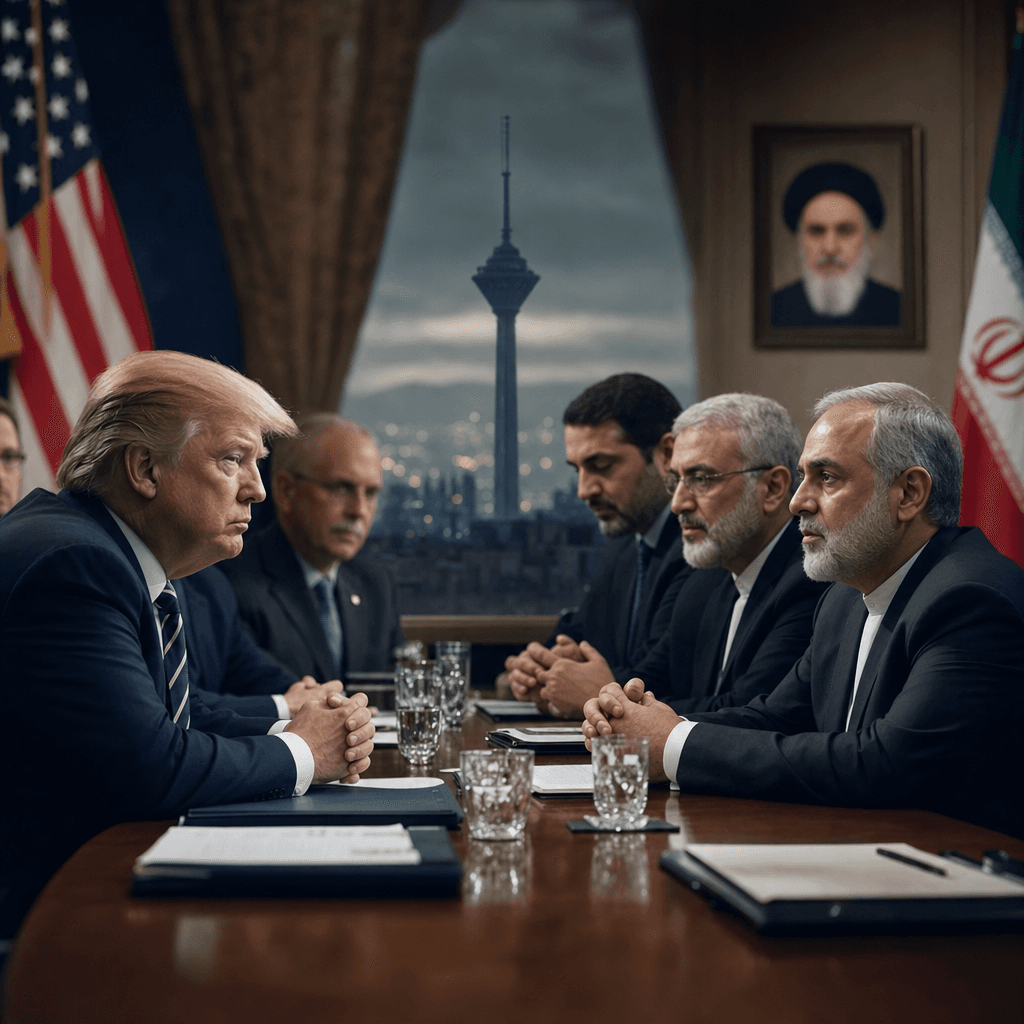
Iran Deal Won’t End the Fight Trump Is Really Fighting
[Trump wants a fast Iran deal, but Tehran’s leverage in Hormuz, missiles and proxies will outlast any memorandum signed this week.]
CNN’s Brett H. McGurk argues that the United States is not facing a one-off crisis with Iran but a durable strategic contest rooted in the Islamic Republic’s ideology and security apparatus, not in Trump’s personal negotiations CNN Politics. That is the real power dynamic here: Trump wants a near-term win that can stop strikes, reopen shipping and stabilize markets, while Tehran wants relief without surrendering the capabilities that let it threaten the region again.
Iran still holds the sharper leverage
The immediate bargaining chip is the Strait of Hormuz. Reuters, as reported by Al Jazeera, said US forces struck Iranian boats trying to lay mines near the waterway while Iranian negotiators were in Qatar pressing talks on a deal Al Jazeera/Reuters. That matters because whoever can disrupt Hormuz can shape oil prices, Gulf security and the tempo of diplomacy. Rubio said the negotiations could “take a few days,” but that only underlines the imbalance: Washington is racing the calendar, while Iran can slow-roll talks and keep pressure on shipping
Al Jazeera/Reuters.
McGurk’s larger point is that Iran’s challenge to the US is bigger than uranium enrichment. The regime’s longstanding backing for Hezbollah, Hamas, Iraqi militias and the Houthis gives it an asymmetric toolkit that survives even after battlefield losses CNN Politics. That means a deal can freeze one front without ending the broader contest. In practical terms, Iran benefits if it can pocket sanctions relief and restore maritime access while retaining enough latent capacity to threaten again later.
Trump’s problem is political, not just military
Trump’s incentive is different. He needs a result he can present as closure, because a messy ceasefire or partial accord leaves him exposed to the same criticism that followed the war’s start: overreach, then incompletion. CNN’s Stephen Collinson reported that a proposed agreement could reopen the Strait of Hormuz without fully resolving Iran’s nuclear program, a structure that would likely draw fire from both parties CNN Politics. That gives Trump a short-term domestic upside if fuel prices fall, but it also creates a trap: if the deal is thin, critics will call it a postponement; if talks fail, the military option gets harder, not easier.
This is why the likely outcome is not peace but managed escalation. Trump can extract a pause. He cannot extract a change in Iran’s regime logic on a useful timetable. Until there is political change in Tehran, the US will keep facing the same cycle McGurk describes: confrontation, temporary de-escalation, renewed confrontation CNN Politics. For now, the winners are the actors who can buy time: Tehran gains breathing room; Trump gains a possible headline.
What to watch next
The next decision point is whether the Doha talks produce an actual memorandum or just a framework with vague promises on Hormuz and uranium. Watch Rubio’s “few days” window, any further US strikes near the Strait, and whether Iran treats shipping access as a bargaining chip or a red line Al Jazeera/Reuters. If Hormuz stays open, the deal has a chance to hold. If not, the confrontation simply shifts from war-making to war-avoidance — exactly the kind of unfinished business that will reach the next president.
Discover more
Global Politics
Trump's Conflicting Messages on Iran War
Trump's mixed messages on Iran reflect a strategy of audience management, benefiting Tehran amid a complex geopolitical landscape.

Economics
Fed's Amex AML order puts correspondent banking on notice
Federal Reserve's Amex AML order requires board-level controls and a 90-day plan; OCC fined the bank $350 million over enterprise-wide deficiencies.
Conflict & Security
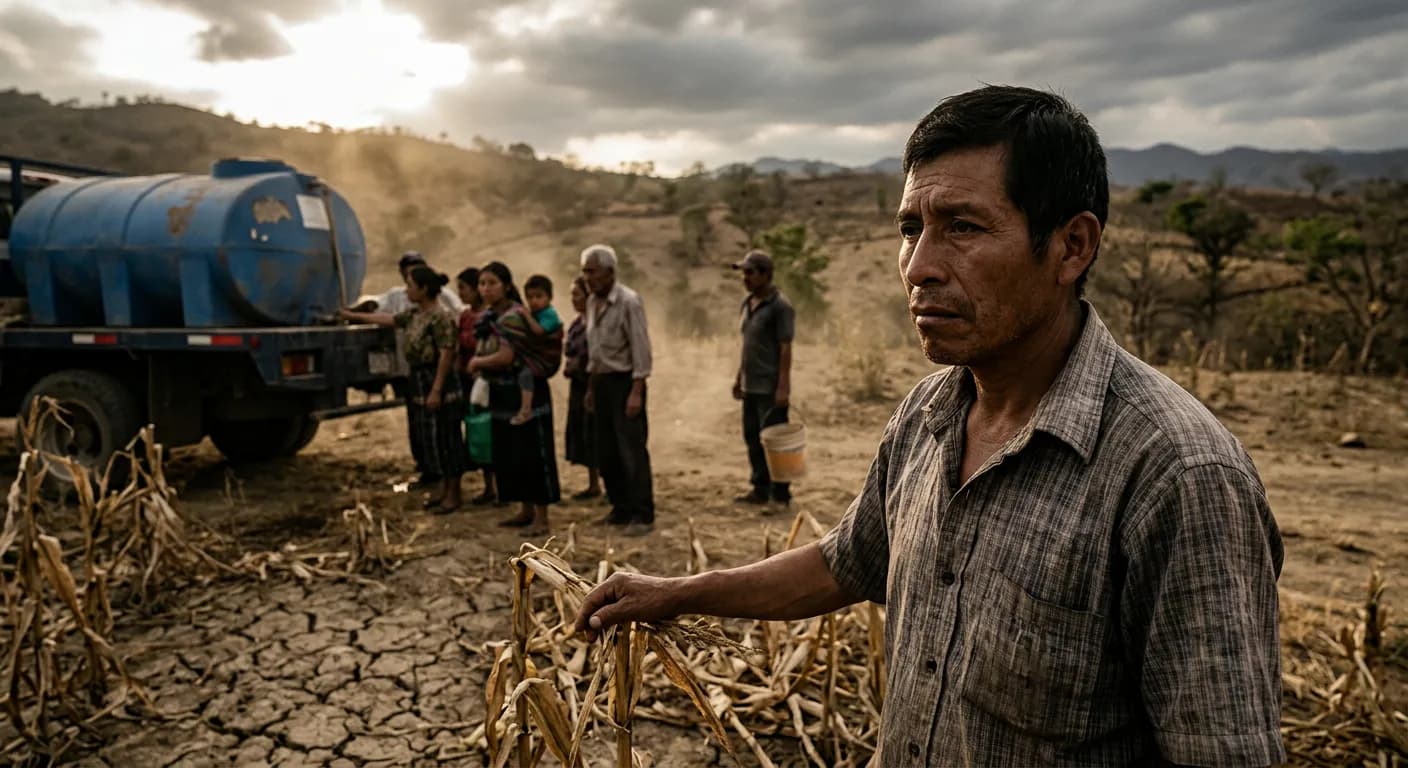
Guatemala: El Niño 2026–27 becomes regional security test
UNICEF: 25.8M children face El Niño risks in Latin America; Guatemala maps 188 municipalities for drought and food insecurity amid regional security test.

Economics
Fed's stress-test overhaul is a capital-smoothing exercise
Federal Reserve finalized stress-test overhaul: two-year averaging for bank capital buffers and public input, expected to halve volatility.