India's Women's Reservation Act and Delimita
Debate over women's representation and electoral boundary changes
Model Diplomat3 min readIndia
Women’s Reservation Act Amendments Raise Delimitation Fears in India
India’s push to expand women’s political representation through a constitutional amendment has sparked debate, with critics warning the concurrent delimitation bill could redraw electoral boundaries to political advantage.
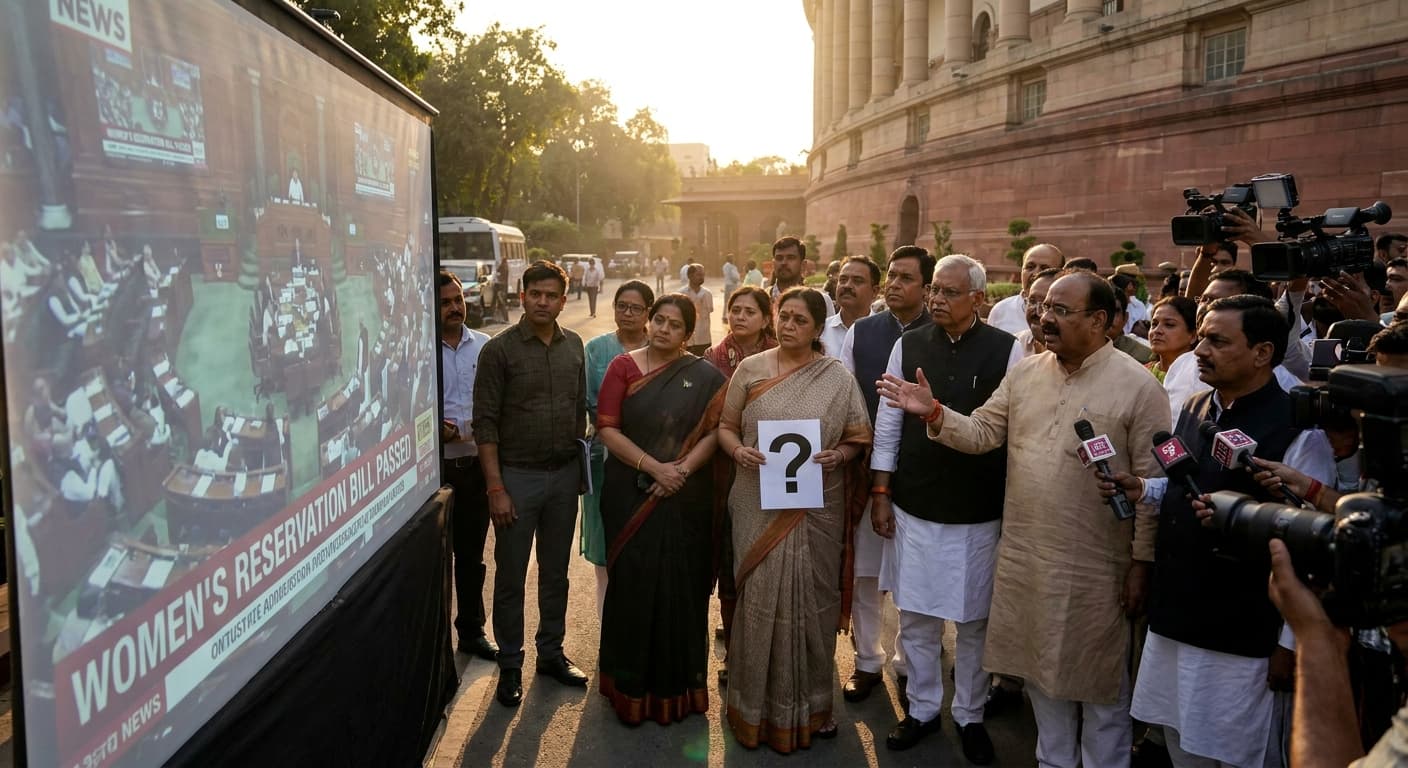
The Indian government convened a special Parliament session from April 16-18, 2026, aiming to pass a significant constitutional amendment expanding the Women’s Reservation Act (Nari Shakti Vandan Adhiniyam). Simultaneously, it introduced a Delimitation Bill, provoking controversy over both the timing and the implications of pairing these two measures.
Why This Matters: Women's Reservation Expands, But Boundaries Shift
The Women’s Reservation Act, first passed in 2010, mandates that 33% of seats in the Lok Sabha and state assemblies be reserved for women—a landmark step towards increasing female political participation in India. The current amendment seeks to broaden this framework, potentially raising women’s representation in legislative bodies or extending it to local governing bodies.
While expanding women’s representation has broad political and social support, the simultaneous introduction of the Delimitation Bill has raised eyebrows. Delimitation—redrawing the boundaries of electoral constituencies—is a powerful tool that can reshape political landscapes by altering the voter composition of seats. New boundaries can significantly impact electoral outcomes for political parties.
CPI(M) MP John Britta voiced concerns in a Frontline interview that the juxtaposition of these bills might not be coincidental. He posits that while the government champions women’s empowerment, the delimitation process could be serving partisan interests, potentially diluting the impact of reserved seats or affecting the prospects of opposition parties in key states.
Historical Echoes and Political Stakes
Delimitation in India has historically been fraught with political contestation. The last major delimitation exercise occurred nearly two decades ago, frozen since the 2001 Census to maintain stability amid concerns of demographic shifts.
Past delimitations have reshaped political fortunes, often favoring the incumbent ruling parties. The timing now raises concerns that the ruling party might use the process to redraw maps favorably before upcoming state and national elections.
Furthermore, combining the Women’s Reservation Act expansion with delimitation could mask political maneuvering under the banner of progressive reform, complicating public and legislative scrutiny. The opposition’s suspicion is that the delimitation could offset gains in women’s representation by restructuring constituencies in ways that favor certain parties or regions.
What to Watch Next
The parliamentary session ends April 18, and the government is expected to push these bills through quickly. Watch closely:
- How political parties vote and whether key opposition forces boycott or oppose the combined legislative push.
- The details of the delimitation process—will it be independent or controlled by partisan authorities?
- Whether the amendment formally increases the women’s reservation quota or changes its scope.
- Public and civil society reactions, which could influence legal challenges or mobilize political pressure.
Ultimately, this flashpoint is a test of India’s democratic institutions’ resilience: whether constitutional amendments that promise social progress can be separated cleanly from political engineering through delimitation.
This development matters not just for India’s women’s movement but for the broader integrity of its electoral democracy and how power is contested in the world’s largest democracy. Watch the unfolding legislation carefully through the lens of India’s political landscape.
By juxtaposing women’s empowerment with electoral boundary shifts, the government risks undercutting trust in both reforms. This is a moment where both democratic ideals and political strategy are colliding—and the outcome will set the stage for India’s legislative battles in the years to come.
Discover more
India
India's Women's Reservation Bill
India's Parliament passed the women's reservation and delimitation bills, fueling opposition fears of political manipulation ahead of the next elections.

India
India's Women's Reservation Bill Sparks Cont争
India's Parliament passed the women's reservation and delimitation bills, igniting BJP-opposition tensions and reshaping electoral dynamics ahead of 2029 polls.
India
India's Parliament Debates Women's Quota Bill
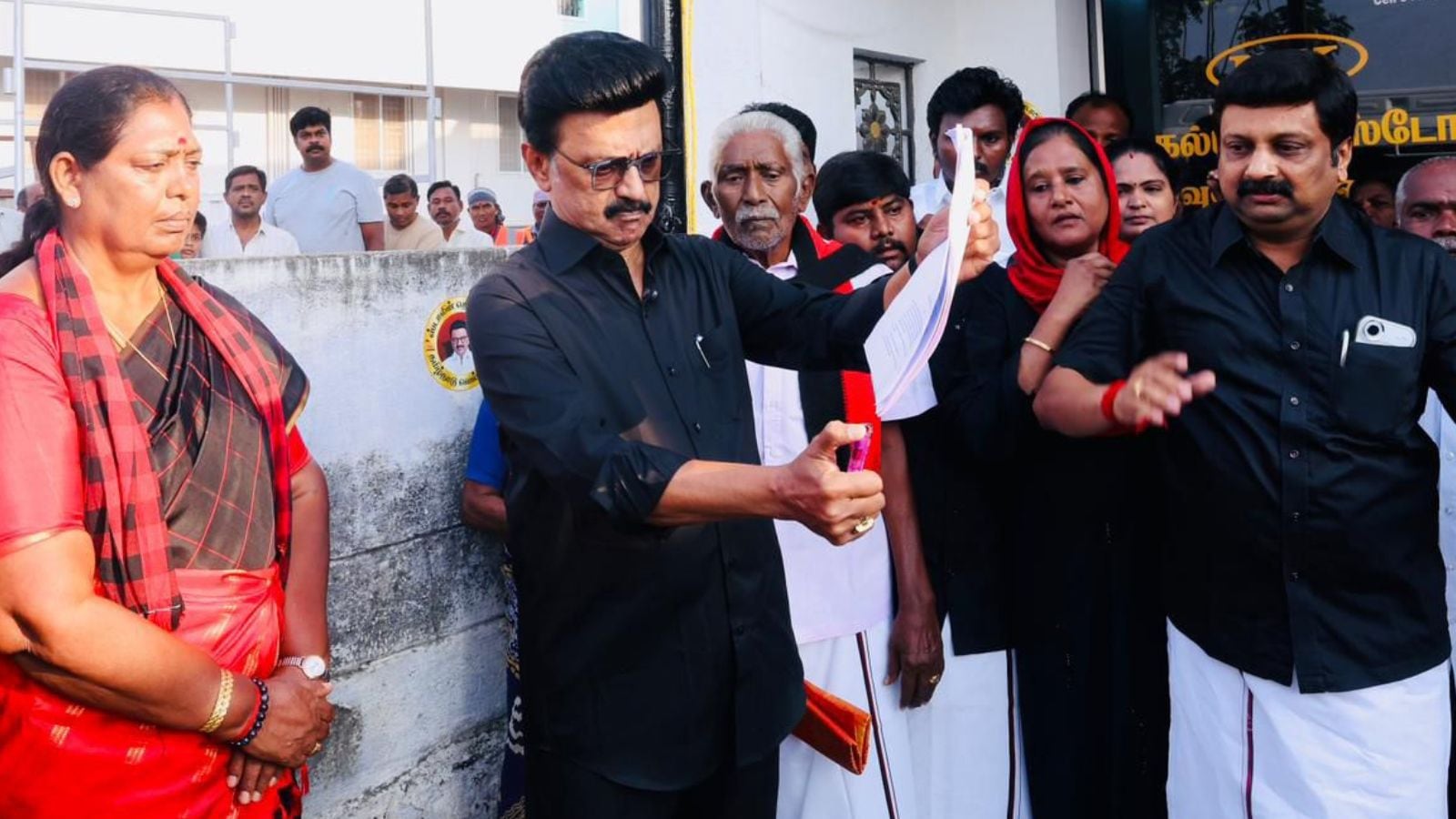
India's Parliament debated landmark women's reservation and delimitation bills set to reshape representation, seat allocation, and the wider political balance.

Conflict & Security
Drone Warfare Killing Aid Workers at Unprec
Over 1,000 humanitarian workers killed in three years as cheap armed drones collapse legal protections. Gaza, Sudan, Ukraine, and DRC see deliberate targeting of aid convoys and hospitals with zero prosecutions.