India's Women's Quota and Delimitation
Exploring the implications of India's political reforms
Model Diplomat3 min readIndia

Terms of Trade: Women’s Quota and Delimitation in India Are Democratic Decoys
Proposals on women’s quotas and delimitation in India risk masking deeper governance issues rather than advancing democracy.
The recent conflation of two major political reforms—women’s reservation and electoral delimitation—is being pitched by some as a quintessential democratic milestone in India. But beneath this surface, the moves may be less about expanding representation and more about political jockeying. These reforms are shaping up to be decoys that let policymakers avoid grappling with thornier, structural questions about fairness and governance.
Women’s Quota and Delimitation: What’s Happening?
India has long wrestled with increasing women’s political representation, with a women’s reservation bill proposing to set aside 33% of seats in Parliament and state assemblies for women. Simultaneously, electoral delimitation—the redrawing of constituency boundaries to reflect demographic shifts—has been on the cards in key states like Bihar, West Bengal, and Assam, with significant political implications.
Recently, some voices have clubbed these two reforms as part of a democratic “terms of trade” between different political interests. The argument is that by pushing the women’s quota alongside delimitation, political parties seek to present a unified front of progress. But this bundling may obscure important democratic concerns.
Context: Why This Matters—and What It Misses
Women’s quotas are vital for gender justice in India, where women occupy only about 14% of Parliament seats currently, despite being 48% of the population. Electoral delimitation, ideally, helps ensure each vote carries roughly equal weight, a fundamental democratic principle.
However, the current political framing risks several pitfalls:
-
Dilution of Genuine Debate: Bundling women’s quotas with delimitation can shift attention away from debates about the actual impact and form of these reforms. For instance, the type of quota (rotation design, reserved seats, effectiveness of implementation) still needs rigorous scrutiny.
-
Delimitation as Political Weapon: Delimitation exercises often get entangled in partisan interests, with parties seeking advantageous boundaries rather than fair representation. In Bihar, for example, the halt on delimitation reflects deep political caution about upsetting caste and religious calculations.
-
Avoiding Broader Governance Issues: By focusing public discourse on these ostensibly progressive reforms, political elites may evade deeper questions like electoral financing reforms, criminalization of politics, campaign transparency, or judicial reforms affecting democracy quality.
This blend of reform proposals, presented together, acts as a kind of democratic decoy. It convinces the public that significant progress is underway, while sidelining the structural challenges head-on.
What to Watch Next
The coming months will be crucial. Watch these developments:
-
Parliamentary Debate: Will the women’s reservation bill be disentangled from delimitation talks? Key parliamentary committees and floor debates will reveal if genuine policy scrutiny happens or if political expediency prevails.
-
Delimitation Outcomes: States that are set for delimitation, including their Implementation Commissions’ decisions, will show whether the process boosts fair representation or entrenches political calculations.
-
Civil Society Response: Women’s groups, electoral reform advocates, and legal experts will be critical voices in demanding transparent, merit-based reforms rather than packaged political deals.
India’s democracy requires more than symbolic reforms bundled for optics. Women’s representation and delimitation must advance with clarity, fairness, and institutional integrity—not serve as terms of trade that maintain the status quo while projecting progress.
For detailed background on India’s democratic structures and reforms, see our India profile and
Global Politics overview.
Terms of trade: clubbing women’s quota, delimitation a democratic decoy, not dacoity
Discover more
India
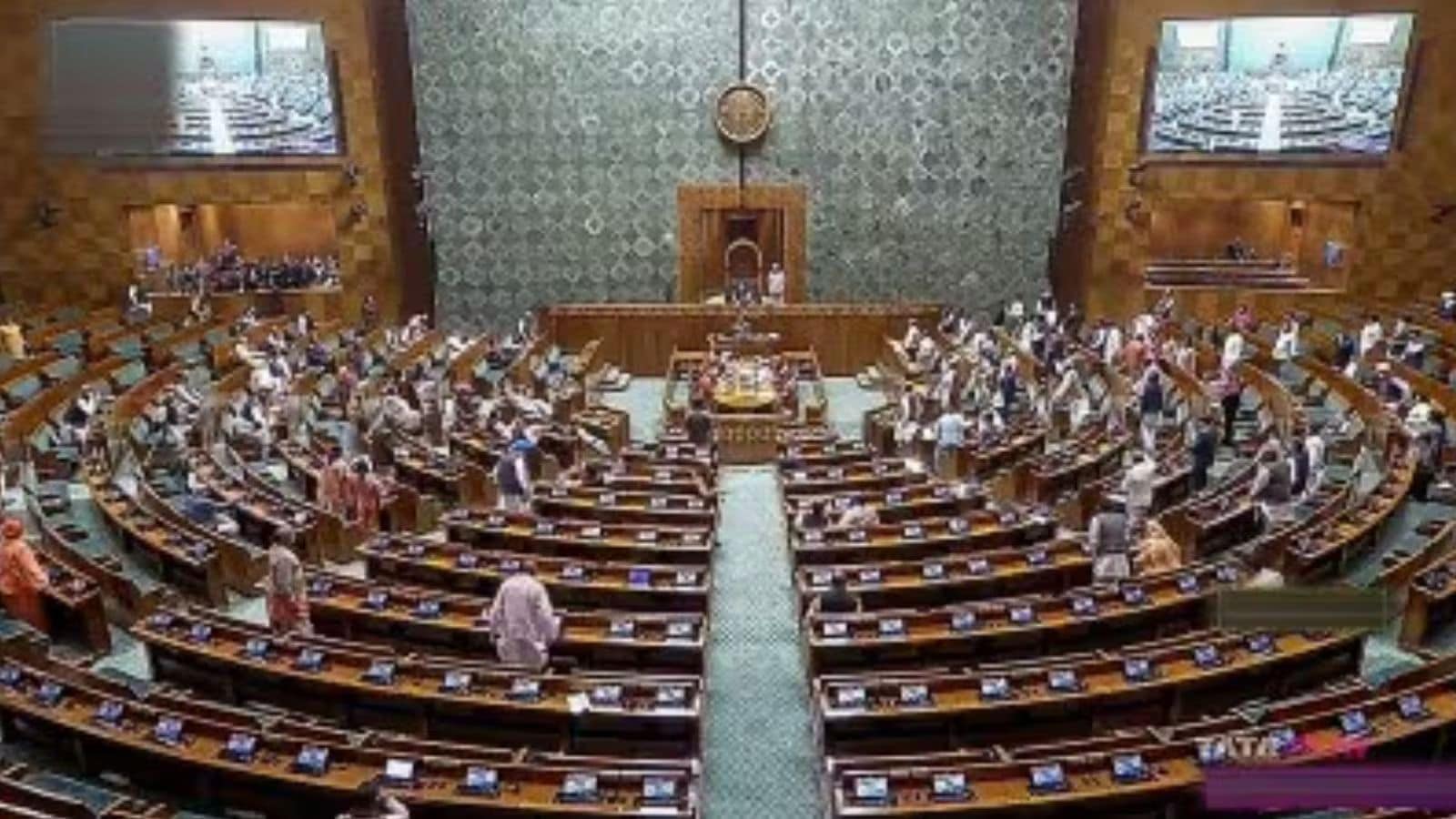
Delimitation in India
India's delimitation exposes a deepening struggle between federalism and equal voting power under Modi's centralizing politics and shifting seat allocation.
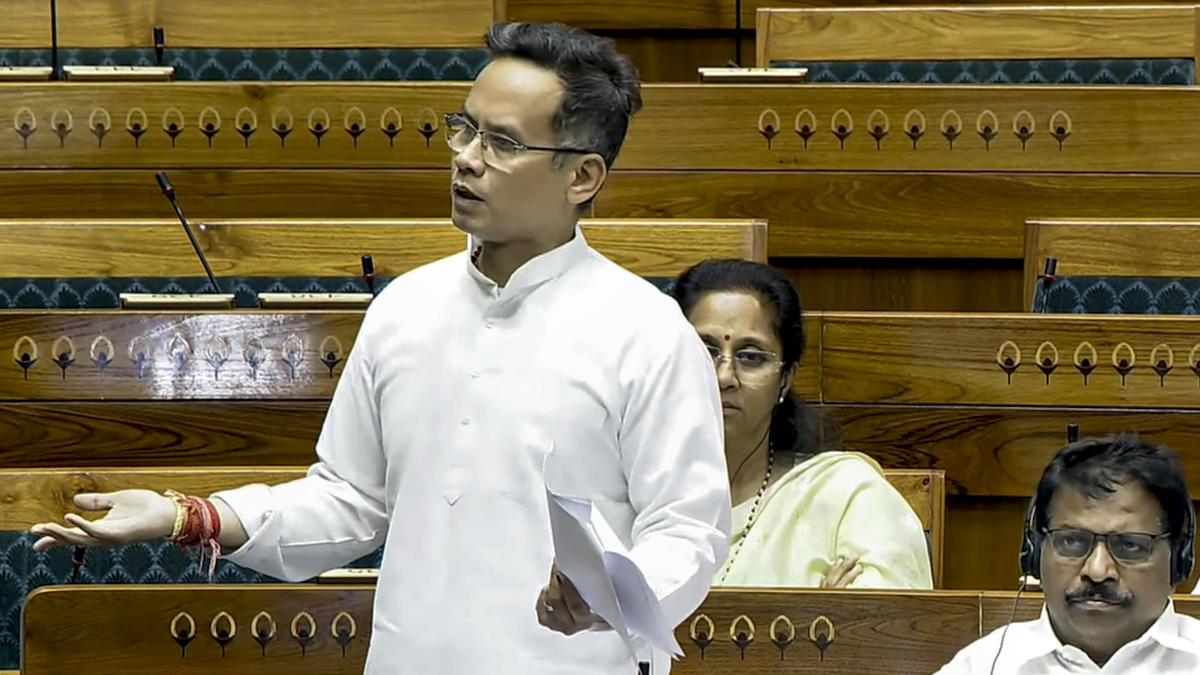
India
Congress: Modi's Delimitation Manipulation
Congress accused the Modi government of using delimitation to consolidate power in Jammu and Kashmir, urging it be separated from the women's reservation bill.
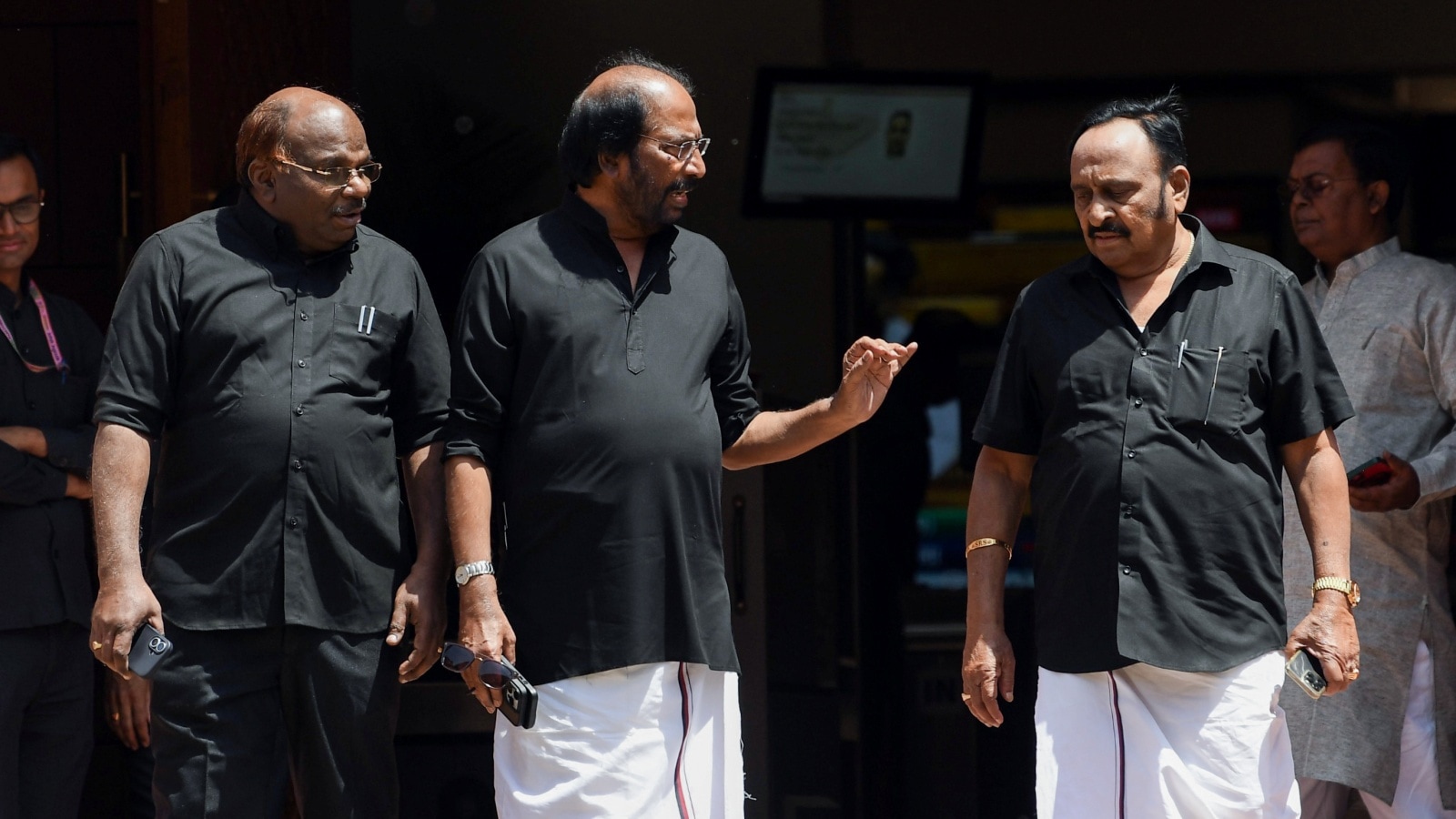
India
Delimitation Bill Controversy
India's Delimitation Bill ignites fierce debate, raising fears over federal representation and shifting the balance of political power among the states sharply.

Conflict & Security
Drone Warfare Killing Aid Workers at Unprec
Over 1,000 humanitarian workers killed in three years as cheap armed drones collapse legal protections. Gaza, Sudan, Ukraine, and DRC see deliberate targeting of aid convoys and hospitals with zero prosecutions.