India's Viral Cockroach Protest Unites Youth
A satirical movement highlights youth frustrations with politics.
Model Diplomat3 min readAsia

India’s ‘Cockroach’ Protest Isn’t Just a Meme
India’s viral cockroach satire shows where political leverage now sits: on youth attention, not party machinery, and the BJP is losing that contest online.
A five-day-old parody outfit, the Cockroach Janta Party, has turned into a national political signal: by Thursday, its Instagram page had drawn more than 15 million followers, overtaking Prime Minister Narendra Modi’s Bharatiya Janata Party on the platform, according to The Straits Times, which cited Reuters reporting. The group’s founder, Abhijeet Dipke, says the surge is not a prank so much as an outlet for young Indians angry about unemployment, inflation and exam paper leaks that keep derailing job recruitment,
Reuters reported.
The leverage is attention
This matters because the fight is no longer just over votes; it is over who sets the political agenda. The BJP still holds the formal levers of power, but the cockroach movement has shown that a decentralized, satirical, platform-native campaign can seize the narrative faster than a disciplined party machine can suppress it. That is the real leverage here: not seats in parliament, but reach, resonance and speed.
The symbolism is deliberate. Dipke told Reuters the group took its name from a recent comment by Supreme Court Chief Justice Surya Kant that triggered backlash online among unemployed youth, and the movement has folded that anger into a broader critique of politics, media and institutional indifference, The Hindu reported. The group’s own messaging is simple: it claims to speak for the “lazy and unemployed,” and it has used irony to make grievance shareable.
Modi’s problem is not one meme; it is the mood
The BJP’s weakness is not that it has been out-organized. It is that it is trying to govern against a demographic that is increasingly harder to persuade with old-style mass messaging. Reuters-linked reporting cited by The Straits Times says India’s unemployment rate for people aged 15 and above was 3.1% in 2025, but 9.9% for those aged 15 to 29, with urban youth unemployment at 13.6%. Those are the numbers that give satire teeth.
The political risk is not an immediate street challenge. Dipke has cautioned against reading the movement as an Indian version of the Gen Z-led uprisings that toppled governments in Bangladesh and Nepal, Reuters reported. But the parallel that does hold is generational: a large cohort of younger voters who do not feel represented by either the ruling party or the opposition. If that frustration hardens, it will matter more in the 2029 national election than in this week’s social media contest. For wider context on India’s domestic fault lines, see
India and
Global Politics.
What to watch next
The next test is whether this stays a viral parody or becomes a durable political network. Watch three things: whether the Cockroach Janta Party keeps its growth rate, whether it starts translating followers into offline organization, and whether the BJP responds with policy or just contempt. Also watch whether the movement widens beyond urban, English-speaking youth; that is where it could stop being a meme and start becoming a problem.
If the current wave is any guide, the government’s real opponent is not a cockroach. It is the resentment the cockroach has made visible.
Discover more
India
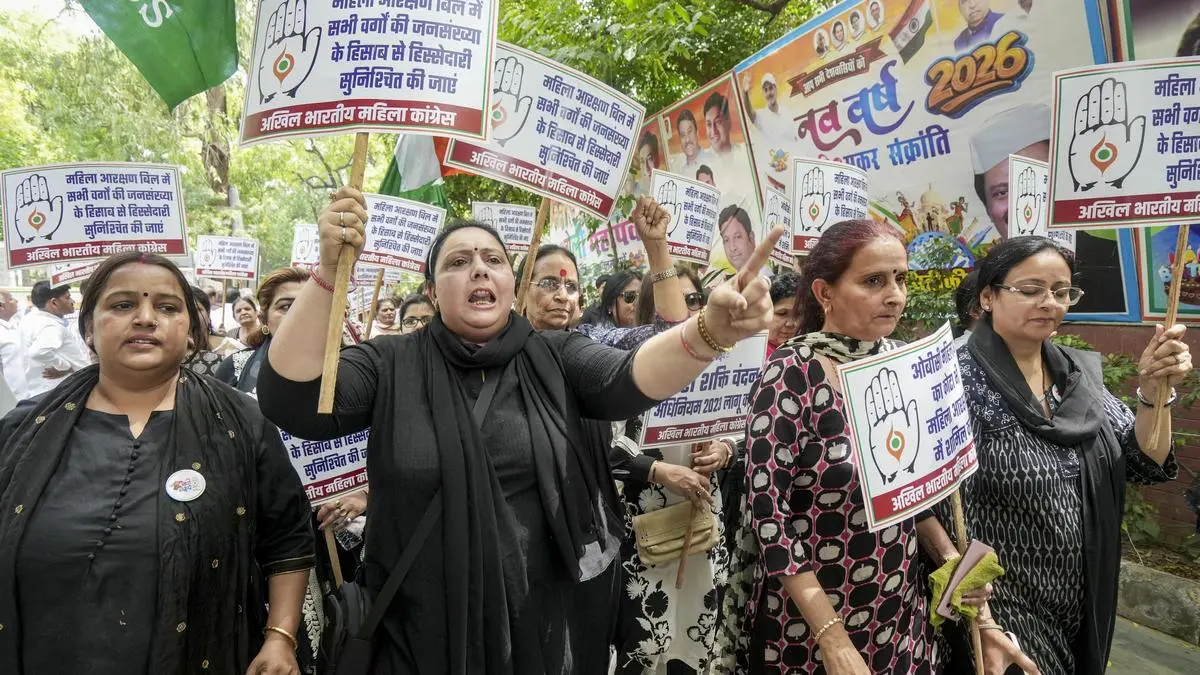
BJP's Misunderstanding of Women's Quota Needs
The BJP's linking of the Women Reservation Bill to delimitation risks delaying women's empowerment in India, misreading the aspirations of female voters.
India
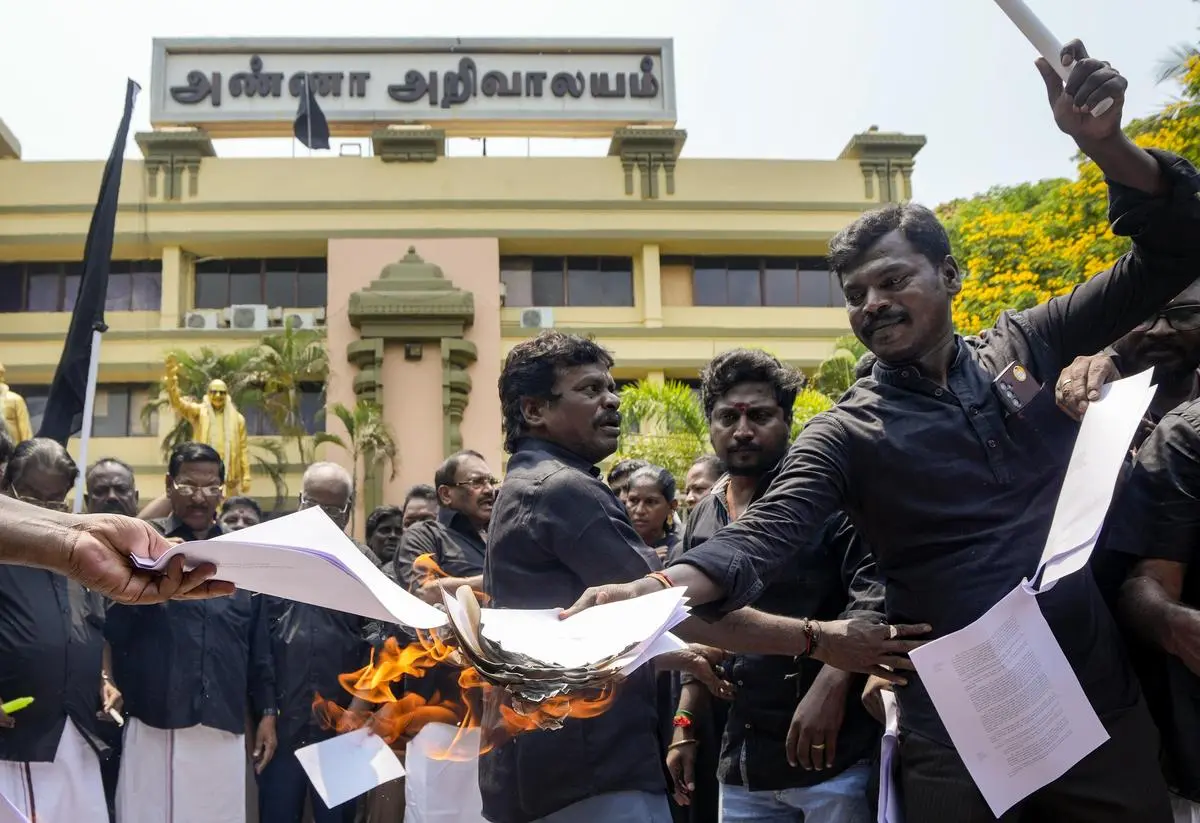
Women’s Reservation Bill 2026
The Constitution (131st Amendment) Bill, 2026 was defeated in Lok Sabha, revealing deeper political conflicts over women's reservation and delimitation.
India
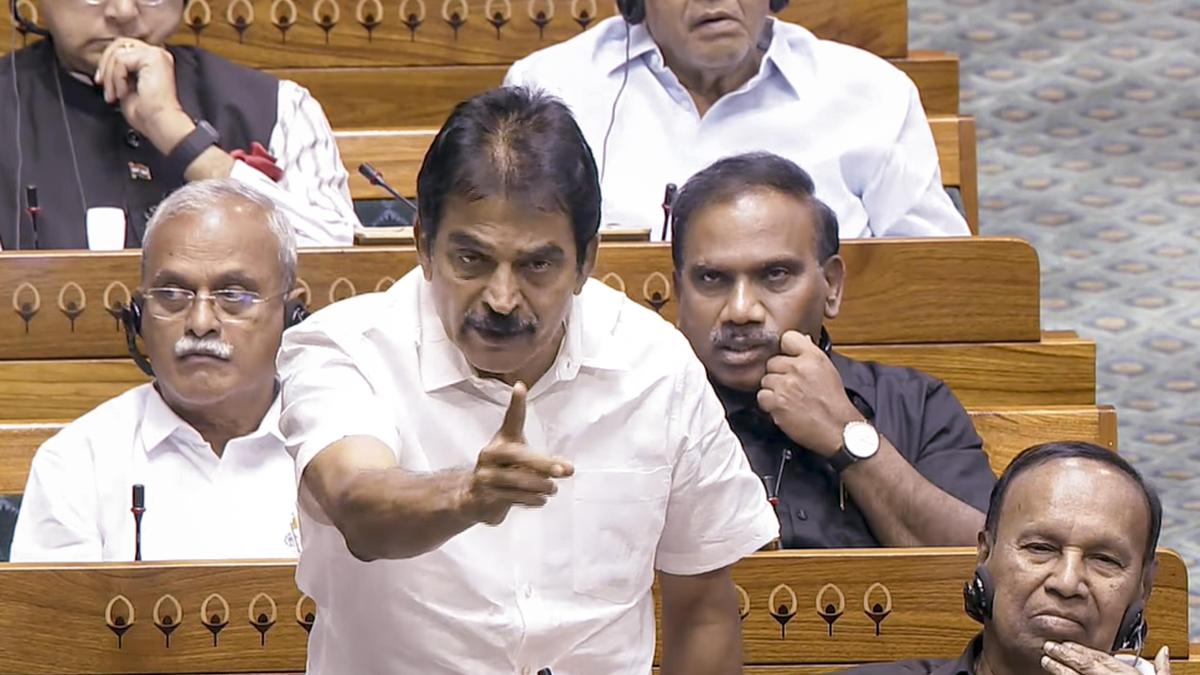
BJP's Delimitation Strategy
Congress leader K.C. Venugopal claims the BJP uses women's reservation to advance delimitation, raising fears over electoral fairness ahead of the 2029 polls.

Conflict & Security
Drone Warfare Killing Aid Workers at Unprec
Over 1,000 humanitarian workers killed in three years as cheap armed drones collapse legal protections. Gaza, Sudan, Ukraine, and DRC see deliberate targeting of aid convoys and hospitals with zero prosecutions.