India's Parliament Special Session
Key legislative initiatives shaping India's political future
Model Diplomat3 min readIndia

India’s Parliament Special Session: Delimitation Bill and Women’s Reservation at Center Stage
India’s Parliament convened a special session on April 17, 2026, with critical bills on the table, including the potentially transformative Delimitation Bill and the Constitution (131st Amendment) Bill aimed at women’s reservation.
India’s ruling INDIA bloc is pushing three major legislative initiatives during this intense parliamentary session: the Delimitation Bill, the Constitution (131st Amendment) Bill concerning women’s reservation in legislatures, and the Union Territories Laws (Amendment) Bill. These bills could reshape India’s political landscape and electoral arithmetic just months before the next general elections.
Why Delimitation Matters More Than It Seems
The Delimitation Bill proposes redrawing the boundaries and potentially increasing the number of Lok Sabha seats. Its far-reaching impact goes beyond technical electoral adjustments. This process can shift political power dynamics across states by recalibrating representation based on demographic changes.
Critically, opposition parties warn that hasty or politically motivated delimitation could "tear the fabric" of India’s federal structure by disproportionately benefiting the ruling Bharatiya Janata Party (BJP) in key battleground states. For instance, states like Uttar Pradesh, with its immense Lok Sabha presence (80 seats currently), could see redistribution favoring regions aligned with the ruling bloc.
Historically, delimitation exercises have been contentious in India; the last nationwide delimitation was frozen until 2026 to avoid penalizing states with successful population control. The current move breaks that freeze and could redefine power balances in numerous states.
Women’s Reservation: A Long Overdue Step?
Parallel to delimitation, the Constitution (131st Amendment) Bill seeks to secure 33% reservation for women in Parliament and state assemblies, a reform pending for decades. This amendment aims to institutionalize gender inclusivity at the highest political levels, with strong support from civil society and women’s rights advocates.
However, opposition parties argue about the form of implementation, some calling for more nuanced measures beyond reservations. Still, if passed, this could trigger historic changes in electoral politics by enhancing female political participation and leadership—a feature India currently lags behind in, with women making up just about 14% of Parliament.
The passage of this bill will signal India’s readiness to commit to gender parity in governance, setting a precedent for similar reforms in other South Asian democracies.
What to Watch Next: Political Fallout and Federal Equilibrium
The parliamentary debate now tests the INDIA bloc’s cohesion and legislative strategy, especially given the opposition’s vocal criticism. Whether the ruling coalition can effectively manage dissent and fast-track these bills will indicate its preparedness for the 2026 general elections.
Watch closely also how regional parties respond to delimitation outcomes—redrawing constituencies often provokes pushback from local power centers fearing erosion of influence.
Lastly, the Supreme Court’s intervention could be significant if challenges arise post-passage, especially regarding the constitutional validity of delimitation criteria or the precise scope of women’s reservations. This echoes past legal battles over electoral reforms.
In sum, this session is not just about legislative maneuvering; it is about recalibrating India’s electoral and social compact at a juncture where political stability and democratic inclusiveness are both in flux.
For a broader understanding of India’s political dynamics, see India political profile and more on
Global Politics.
Source: Parliament Special Session LIVE: ‘Delimitation can tear the fabric of...’
Discover more
India
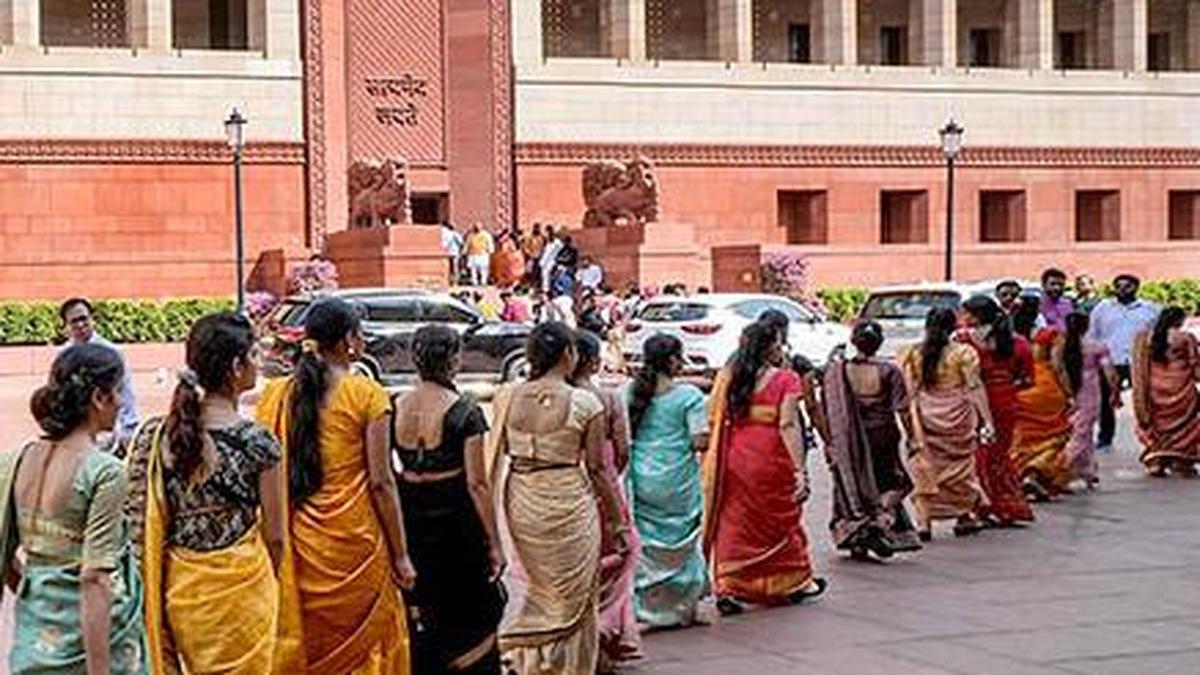
India's 33% Women’s Reservation Bill
India's Lok Sabha debated a historic bill reserving 33% of seats for women, a measure aimed at transforming representation and advancing gender equity.
India
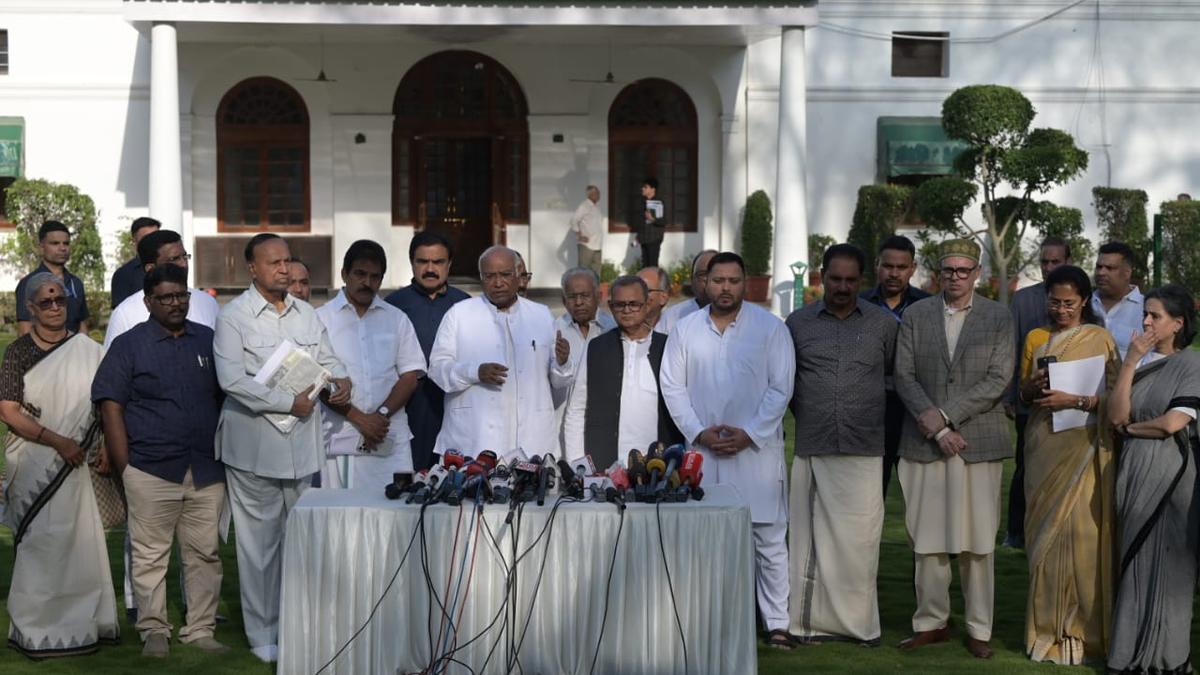
INDIA Bloc Opposes Delimitation Bill 2029
The INDIA bloc united in rejecting the Delimitation Bill, signaling its electoral strategy and battle lines as parties gear up for the 2029 general elections.
India
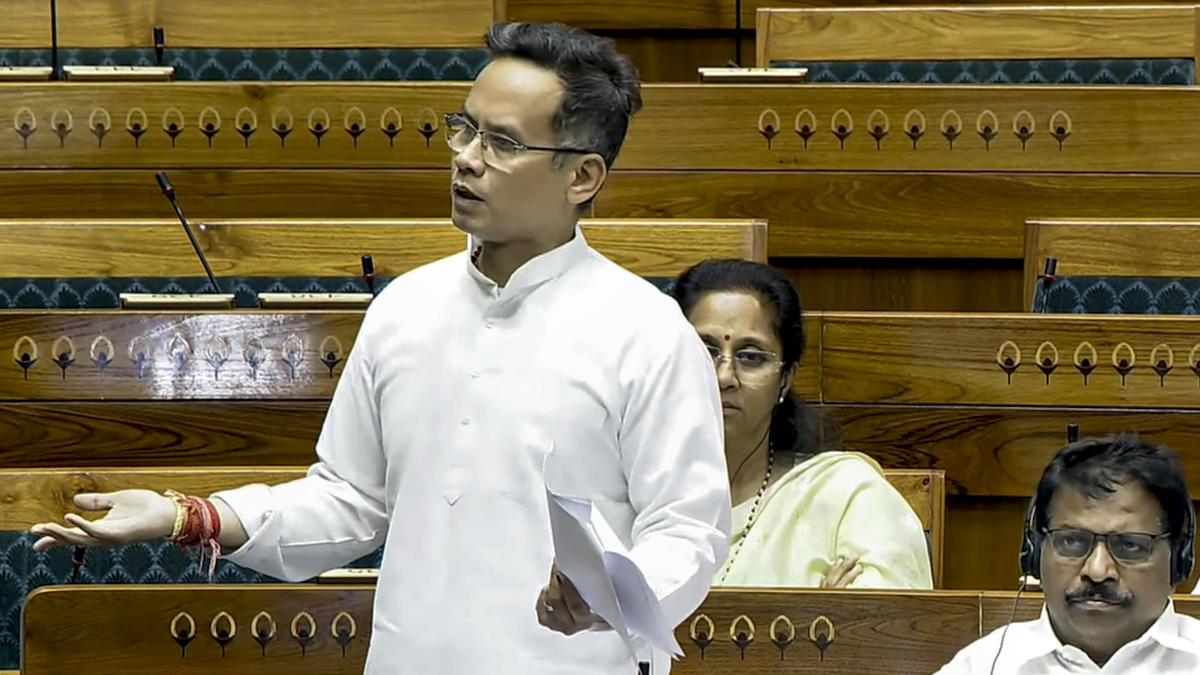
Congress: Modi's Delimitation Manipulation
Congress accused the Modi government of using delimitation to consolidate power in Jammu and Kashmir, urging it be separated from the women's reservation bill.

Conflict & Security
Drone Warfare Killing Aid Workers at Unprec
Over 1,000 humanitarian workers killed in three years as cheap armed drones collapse legal protections. Gaza, Sudan, Ukraine, and DRC see deliberate targeting of aid convoys and hospitals with zero prosecutions.