India's Parliament Bill Fails Over Women's Qu
Parliament expansion and women's quota bill rejected in India
Model Diplomat3 min readIndia

India Parliament Expansion Bill Fails Over Linked Women’s Quota Debate
India’s bid to expand Parliament and set a one-third quota for women failed after the lower house rejected a constitutional amendment bill by 298 to 230 votes, missing the two-thirds threshold.
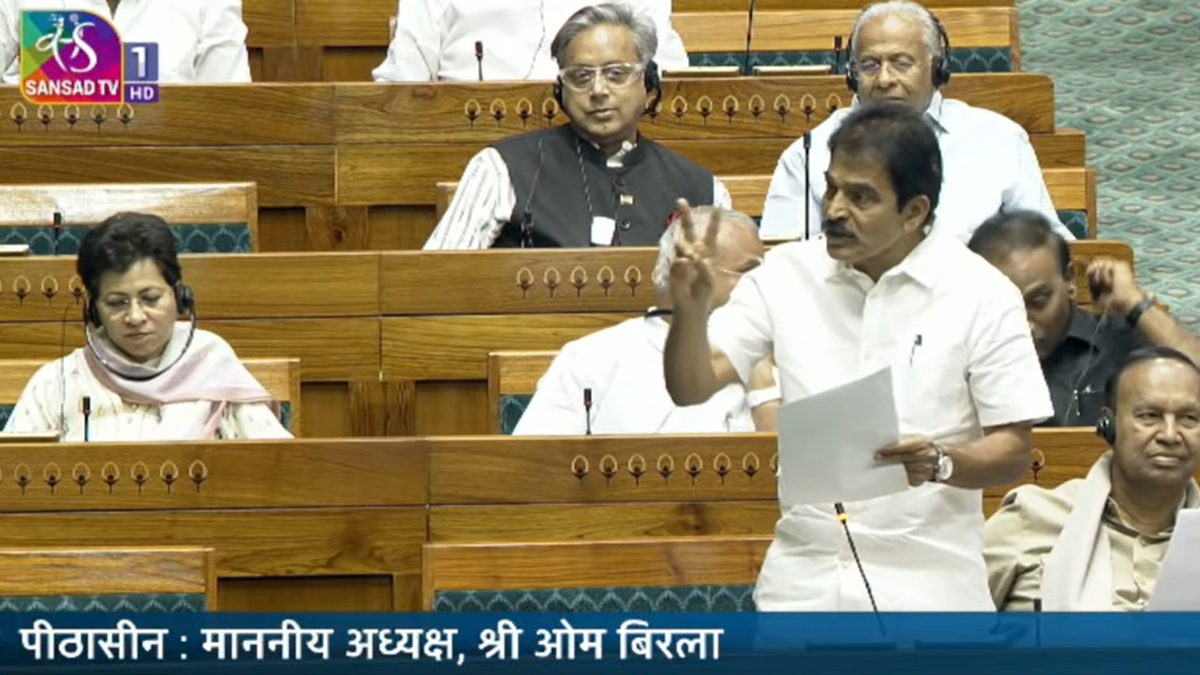
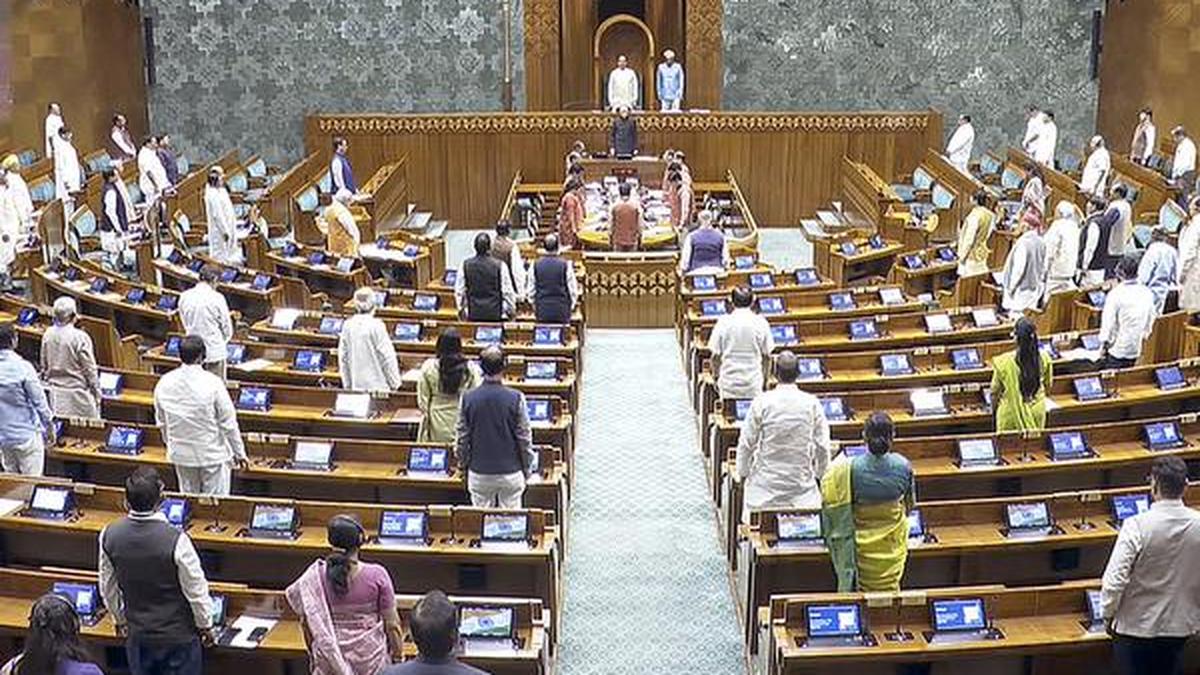
The Indian government’s plan for a major overhaul in parliamentary representation hit a significant roadblock on April 17, 2026. The bill aimed to increase the size of the Lok Sabha (the lower house) by about 55%—from 545 seats to roughly 850—and to implement a one-third seat reservation for women across Parliament and state assemblies. Despite getting a simple majority, the measure fell short of the two-thirds majority required for constitutional amendments.
Why This Matters: Gender Quotas Meet Political Complexities
India has long struggled with women’s representation in politics; currently, just about 14% of Lok Sabha MPs and 10-17% in state legislatures are women. The Women's Reservation Act passed in 2023 promised to reserve 33% of seats for female candidates, a landmark move toward gender parity in governance. However, the 2026 bill made that reservation contingent on a nationwide delimitation exercise—redrawing electoral boundaries based on the latest census—to accommodate the increased seats and the quota.
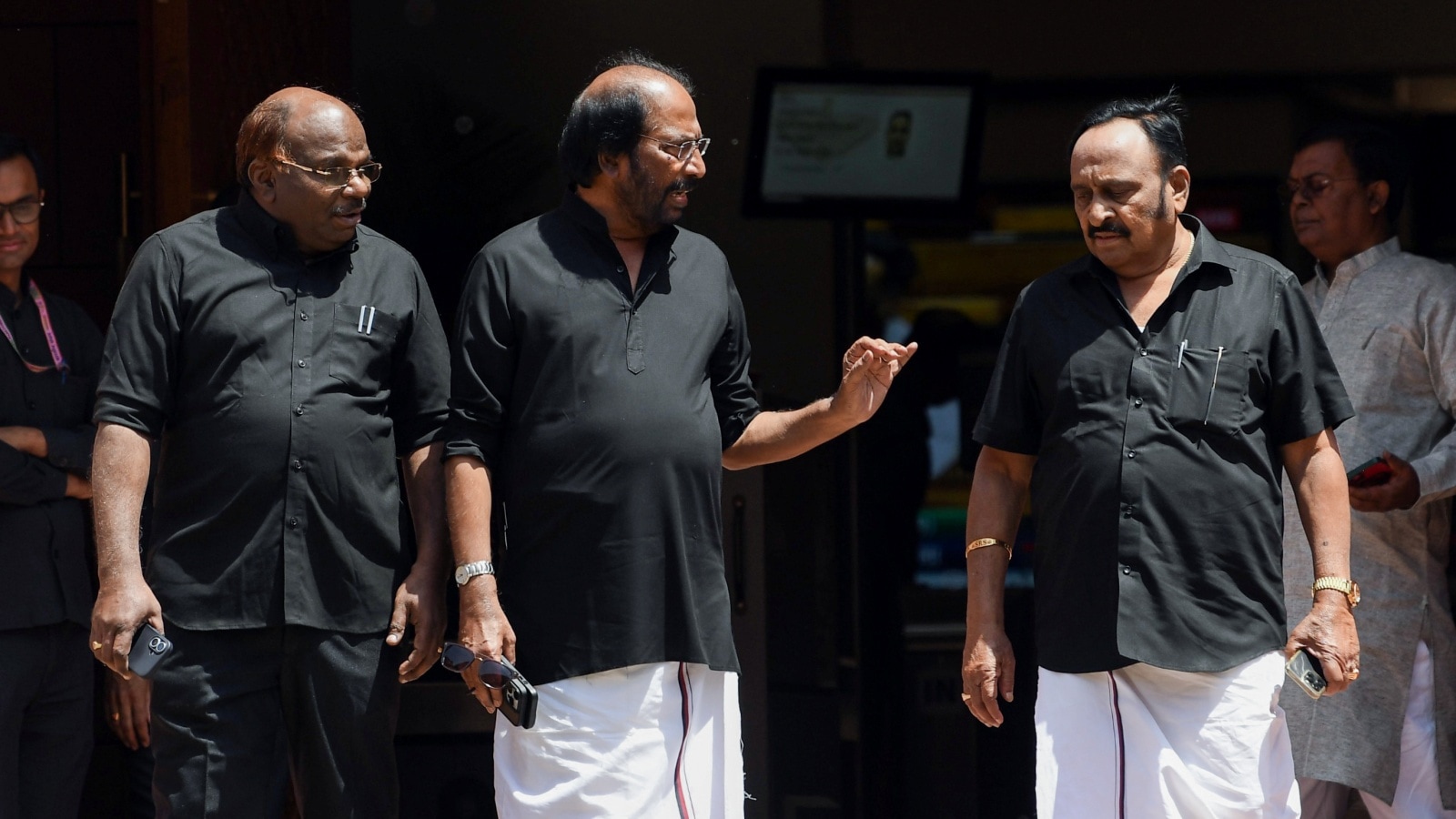
This linkage has proved politically toxic. Opposition parties accused the ruling BJP-led government of using delimitation as a partisan tool to reshape electoral maps to their advantage, especially at the expense of southern, northeastern, and smaller states. Critics argue this could undermine regional representation and disrupt the federal balance. Key opposition voices like Rahul Gandhi framed the move as an attempt to manipulate electoral demographics, while Home Minister Amit Shah assured that southern representation would remain protected despite boundary changes.
The delimitation issue, frozen since 1976, affects how population shifts since the 1971 census are reflected in seat allocation. The government maintains that this adjustment is overdue to ensure fair voter-to-MP ratios. Yet, coupling this with the women’s quota raised red flags, complicating swift implementation of the gender reservation.
What to Watch Next: The Future of Women’s Representation
This defeat doesn’t end the government’s efforts. Officials say they remain committed to women’s quotas and will seek other avenues to implement the reservation without the politically controversial delimitation package. But a standalone women’s quota bill is unlikely to pass without addressing concerns about federal equity and electoral fairness.
Parliament will be under pressure to untangle these intertwined issues. Delimitation affects not just gender representation but also the political clout of regions, influencing national power balances. How the government navigates these challenges in the run-up to the 2029 general election will be critical. Moreover, the failure highlights ongoing political polarization over electoral reform in India—a country where demographic changes and calls for fair representation are growing louder.
Analysts should watch for shifts in party strategies around delimitation and gender quotas, potential regional resistance, and public pressure for increasing women’s political participation. This setback throws into sharp relief the intricate dance between expanding democracy and preserving the federal structure in India’s evolving political landscape.
For deeper context, see India politics and the broader challenges in
Global Politics.
Sources:
Discover more
India
BJP's Women's Reservation Bill Controversy
The BJP faces backlash over the Women's Reservation Bill as the DMK accuses it of political exploitation during a heated and pivotal Lok Sabha session in Delhi.
India
Delimitation Bill Controversy
India's Delimitation Bill ignites fierce debate, raising fears over federal representation and shifting the balance of political power among the states sharply.
India
Delimitation Based on 2011 Census
India's Lok Sabha could expand to 850 seats under 2011 census delimitation, reshaping political power and representation across northern and southern states.

Conflict & Security
Drone Warfare Killing Aid Workers at Unprec
Over 1,000 humanitarian workers killed in three years as cheap armed drones collapse legal protections. Gaza, Sudan, Ukraine, and DRC see deliberate targeting of aid convoys and hospitals with zero prosecutions.