India's Lok Sabha Expansion Bill Fails
Constitution Amendment Bill for Lok Sabha seats and women’s quota stalls
Model Diplomat3 min readIndia
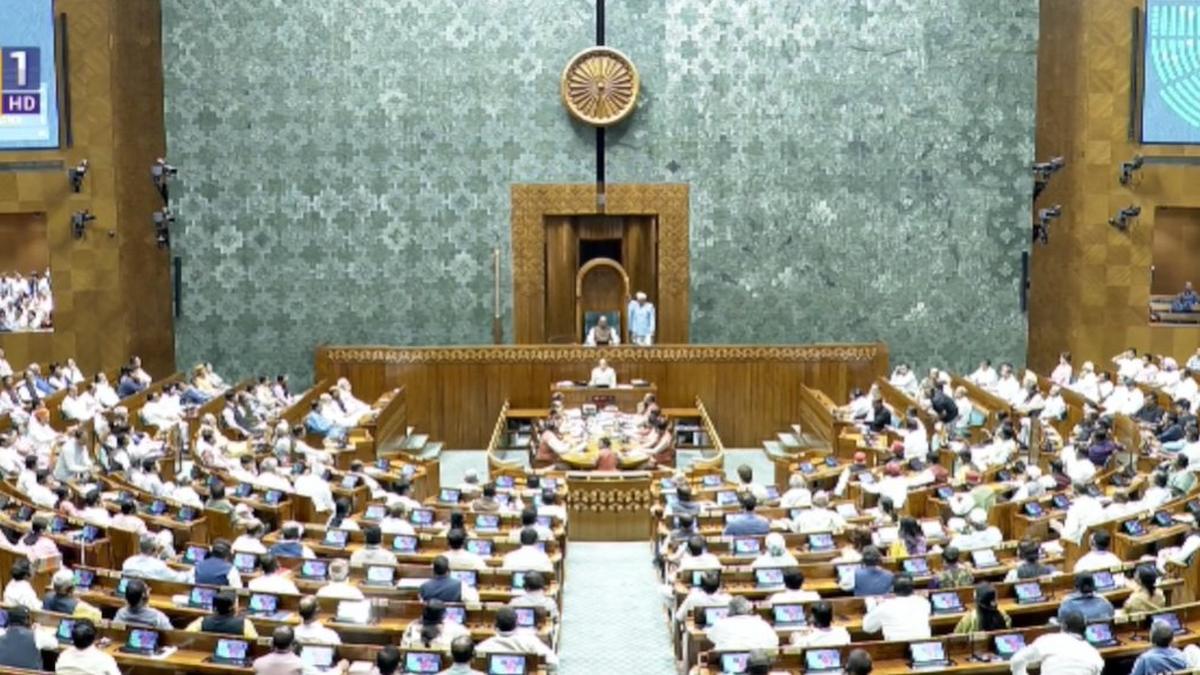
India’s Push to Expand Lok Sabha and Reserve Women’s Seats Falls Short
Constitution Amendment Bill to increase Lok Sabha seats to 850 and mandate women's reservation misses majority in Lok Sabha on April 17, 2026.
On April 17, 2026, the Lok Sabha voted on a high-stakes Constitution Amendment Bill that would have expanded the Lok Sabha from 543 to 850 seats and introduced mandatory reservation of seats for women in the legislature by 2029. The bill was part of a broader delimitation package aimed at redrawing electoral boundaries alongside gender inclusivity reforms. Despite winning 298 votes, the bill fell short of the required majority, with 230 members opposing it and 528 participating in the vote, effectively stalling the legislation for now.
Why This Bill Matters
Increasing Lok Sabha seats to 850 is a major recalibration of India’s parliamentary representation. Since the 1970s, the number of seats has been capped at 543 to control population-driven dilution of voting power among states. However, demographic shifts—rapid growth in populous states like Uttar Pradesh, Bihar, and Maharashtra—have made the current allocation increasingly outdated. A larger Lok Sabha would rebalance representation according to current census data, enhancing democratic legitimacy.
Equally transformative is the women’s reservation clause. India has struggled with women’s political representation despite constitutional guarantees. Women currently hold around 15% of Lok Sabha seats, far below global averages. Reserving 33% of seats for women nationwide would set India alongside a minority of countries actively legislating gender parity in parliament. This could accelerate policy focus on gender issues, from education to health and violence prevention.
Yet, despite broad political chatter about these reforms, the bill’s defeat underlines entrenched resistance. Critics from opposition and even some ruling coalition members cited concerns over regional equity, fear of diluting minority representation, and the complexities of mixing delimitation with gender reservation. Some saw it as a political maneuver to redraw boundaries favoring particular parties under the guise of reform.
The Wider Political Game
The vote tally (298-230) shows a clear but insufficient majority, hinting that the ruling coalition and its allies managed to marshal significant support but failed to build the cross-party consensus needed for constitutional amendments. Opposition parties framed their resistance partly around procedural rigidity, arguing that the bill bundled controversial reforms too tightly, undermining transparent debate.
Notably, the failure to pass the bill means the current Lok Sabha size and constituency boundaries remain frozen until 2029, when delimitation is next scheduled. This maintains political status quos that benefit certain regions and parties disproportionately, especially smaller states guaranteed fixed representation limits.
For women’s reservation advocates, the setback is a major blow but not a dead end. The demand for gender parity in Indian legislatures is persistent and supported by a large section of civil society. Future legislative attempts will likely separate delimitation from reservation issues to reduce opposition and technical objections.
What’s Next for India’s Electoral Reform?
Watch closely for new legislative proposals in the coming year. The government might attempt to decouple the women’s reservation from the delimitation bill to ease parliamentary passage. There could also be renewed pressure from women’s groups and international allies pushing equal representation reforms.
Separately, debates on how to fairly update electoral boundaries without triggering state-level disputes will intensify. Population shifts and changing demographics mean India cannot avoid delimitation forever.
This episode marks a crucial inflection point for India’s democracy. It exposes the political complexities behind reforming a diverse, large democracy with regional inequalities and gender gaps deeply embedded in its electoral system. Tracking future developments here will be essential to understanding India’s evolving democratic contours.
For a deeper dive, see our overview on India’s electoral politics and constitutional amendments.
Sources:
The Hindu — Parliament Special Session Highlights, April 17, 2026
Discover more
India
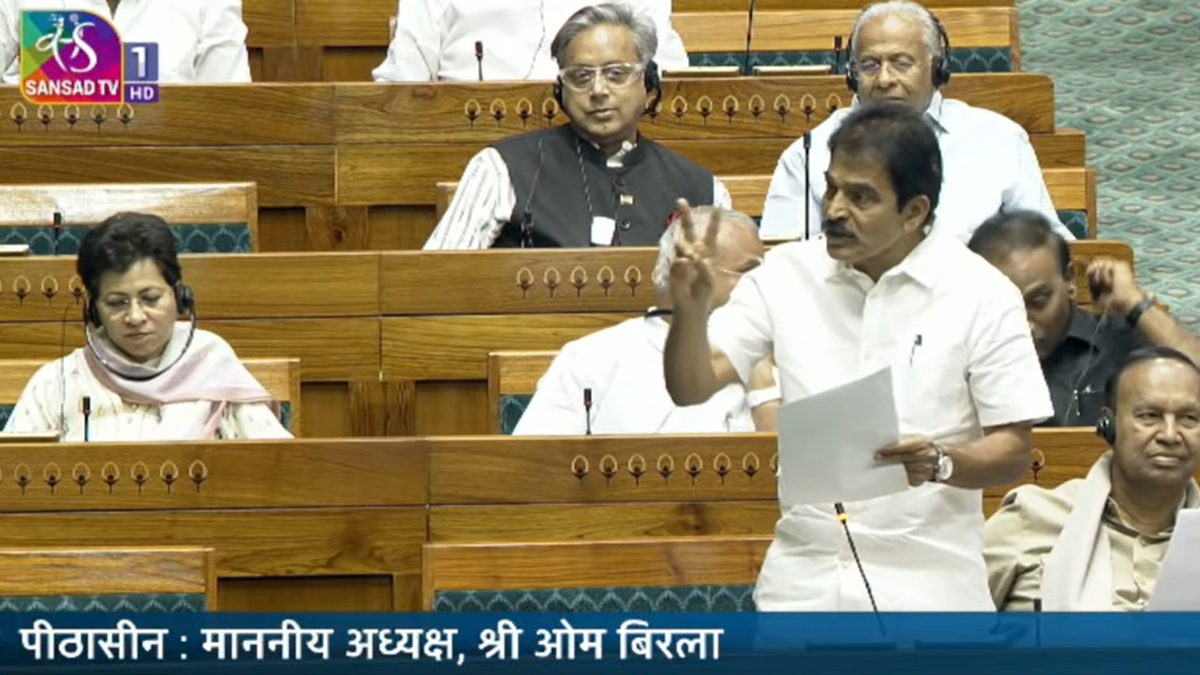
BJP's Women's Reservation Bill Controversy
The BJP faces backlash over the Women's Reservation Bill as the DMK accuses it of political exploitation during a heated and pivotal Lok Sabha session in Delhi.
India
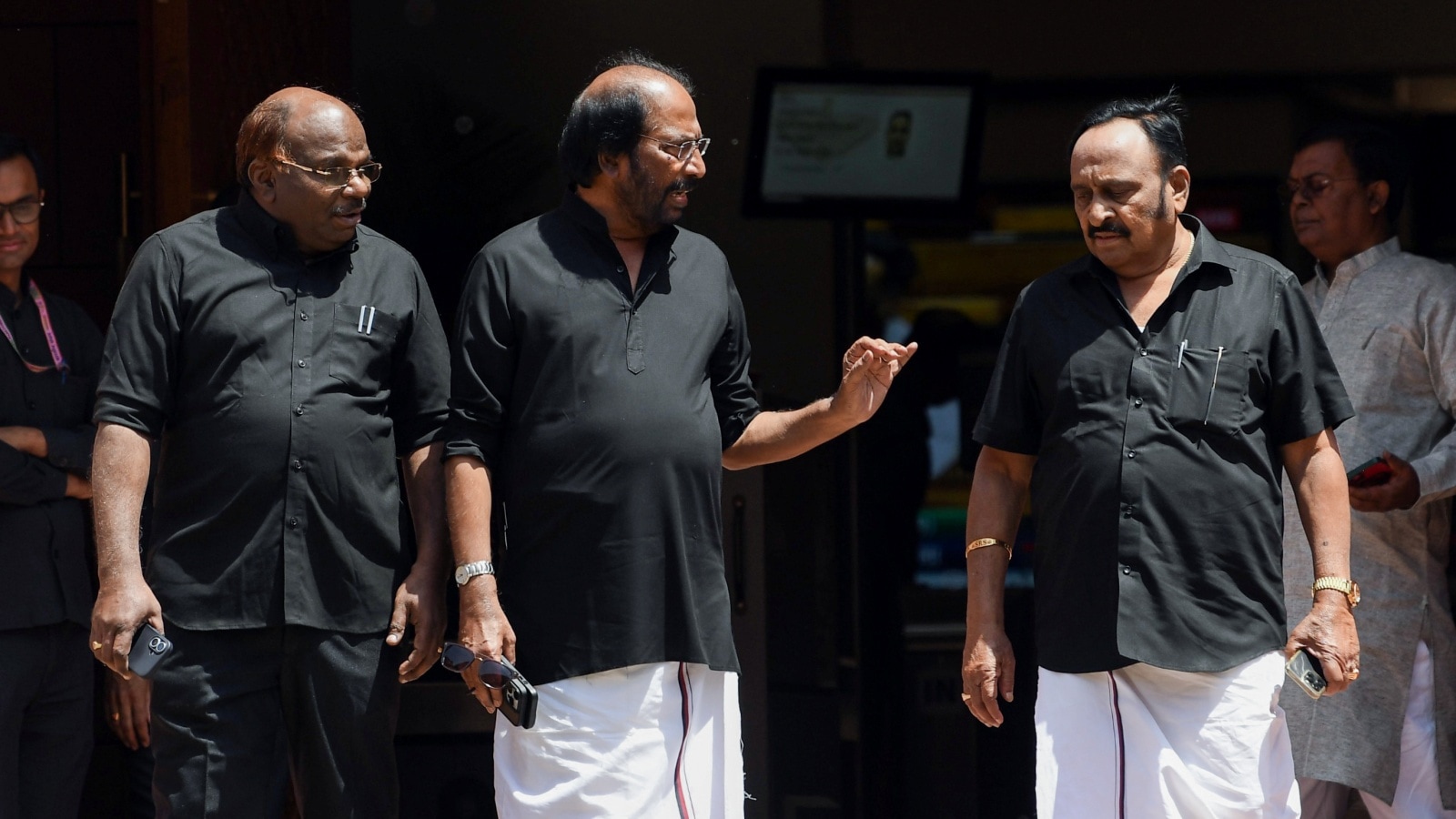
Delimitation Bill Controversy
India's Delimitation Bill ignites fierce debate, raising fears over federal representation and shifting the balance of political power among the states sharply.
India
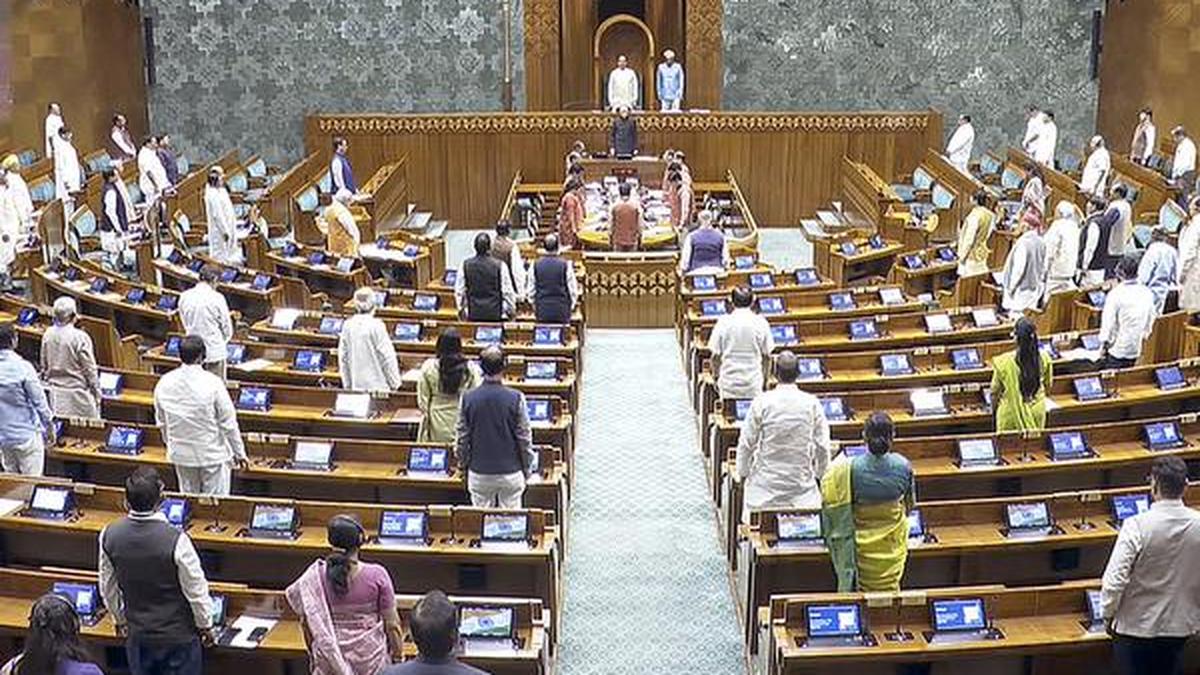
Delimitation Based on 2011 Census
India's Lok Sabha could expand to 850 seats under 2011 census delimitation, reshaping political power and representation across northern and southern states.

Conflict & Security
Drone Warfare Killing Aid Workers at Unprec
Over 1,000 humanitarian workers killed in three years as cheap armed drones collapse legal protections. Gaza, Sudan, Ukraine, and DRC see deliberate targeting of aid convoys and hospitals with zero prosecutions.