India Government's Setback on Women's Quota
Key amendments on women's reservation in Parliament at risk
Model Diplomat3 min readIndia
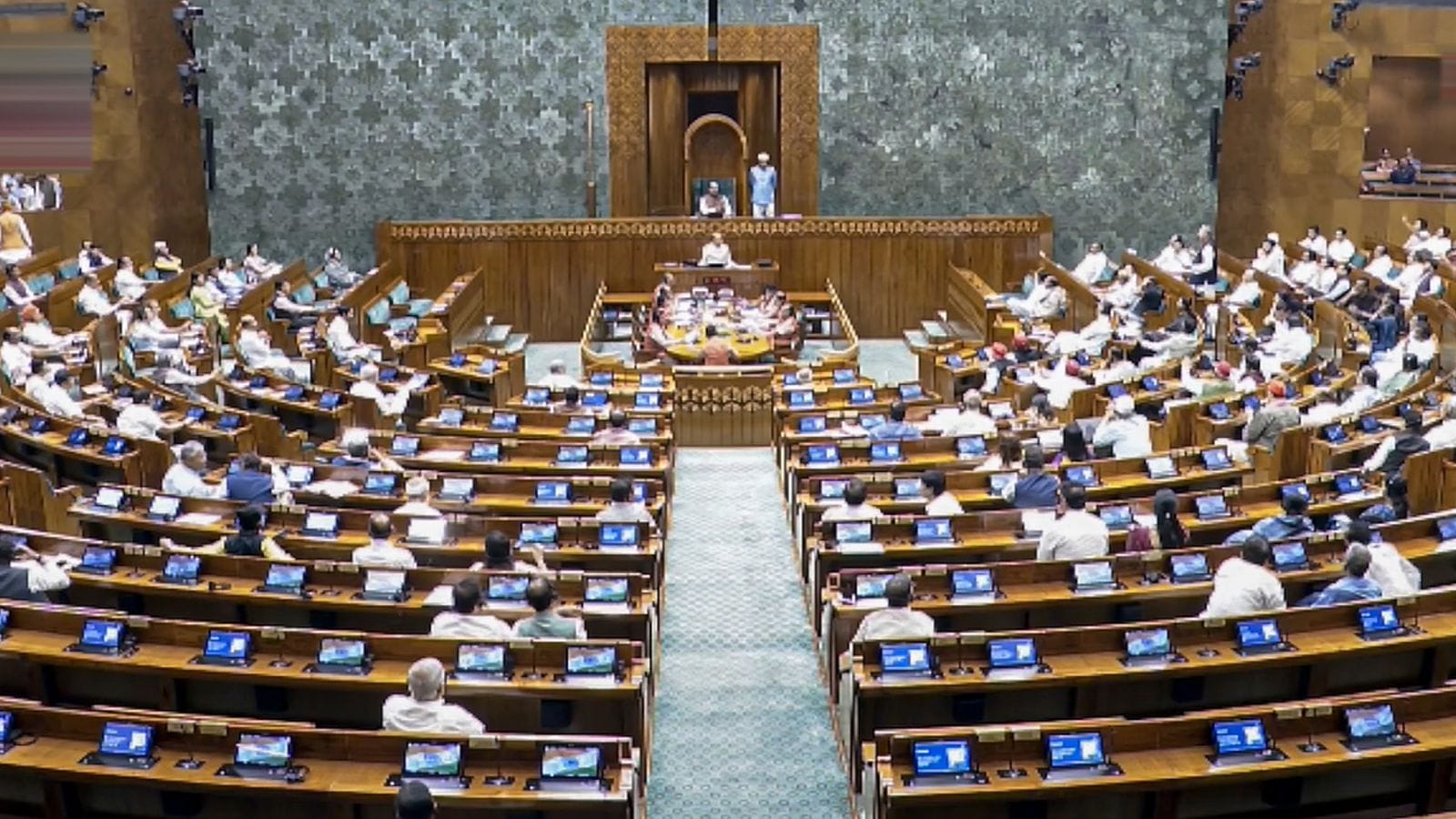
Government Faces Defeat on Women’s Quota Bills — What It Means for India’s Parliament
The Indian government is poised to lose three key Constitutional amendment Bills on women’s reservation and delimitation in Parliament, highlighting deeper fissures in the ruling coalition and opposition strategies.
On April 17, 2026, the Indian government acknowledged the likelihood of defeat in the Lok Sabha over three crucial amendments designed to operationalize women’s reservation in Parliament and initiate delimitation — redrawing parliamentary constituencies for fairer representation. These Bills, long awaited, aimed at fulfilling commitments made by the Bharatiya Janata Party (BJP) and its allies to increase women’s political participation by reserving seats. Yet, today officials concede that numbers do not favor them, with widespread opposition alliances coalescing to block the measures.
Why This Matters: Women’s Reservation and Political Stakes
The women’s reservation Bill has been a politically charged issue in India for two decades. The original 108th Constitutional Amendment, passed in 2010, provided for 33% seat reservations for women in the Lok Sabha and state assemblies but was never brought into force due to delays in delimitation and political disagreements. The current government’s Bills sought to finally activate these provisions by revisiting the complex delimitation process essential for implementing reserved seats.
Losing these Bills deals a blow not only to gender justice advocates but also to BJP’s narrative of progressive reforms. Women’s political representation in India remains at around 14%, far below the global average. The reservation scheme was expected to change this dramatically, ensuring electoral opportunities for women across constituencies.
Politically, the defeat exposes vulnerabilities in BJP’s alliance management and parliamentary arithmetic. Despite a strong majority, the government struggles with dissidents and opposition unity, reflecting regional party dynamics and strategic voting to stall reforms they see as disadvantageous. The opposition’s effective coordination suggests growing challenges for BJP in pushing through socially significant but politically sensitive legislation.
What to Watch Next: Fallout and Future Prospects
The immediate consequence is a setback on women’s political empowerment, but the deeper story will be the government’s attempt to shape the narrative. Reports indicate BJP is trying to pin the blame on regional and opposition parties to galvanize its base and frame the issue as a failure of political will among rivals rather than its own.
The government may also revisit the Bills with policy tweaks or leverage other parliamentary maneuvers to revive the agenda. However, earlier historical attempts show this is a thorny issue entwined with caste equations, regional interests, and electoral calculations. The passage of delimitation itself is a major sticking point, shaping power balances across states.
For India watchers and advocates of gender equality, this episode underscores how institutional reforms, even with major backing, depend on fragile political coalitions and strategic compromises. The story of the women’s quota Bill is less about progress or regression than ongoing political contestation over who gets represented and how.
Follow this issue closely in the coming weeks: whether the government mounts a fresh legislative push or gears up for elections where women’s representation promises will re-emerge as a key campaign battleground.
For a deeper dive into India’s political landscape, see our India profile.
Indian Express: Government braces for defeat in women's quota vote, looks to pin ...
Discover more
India
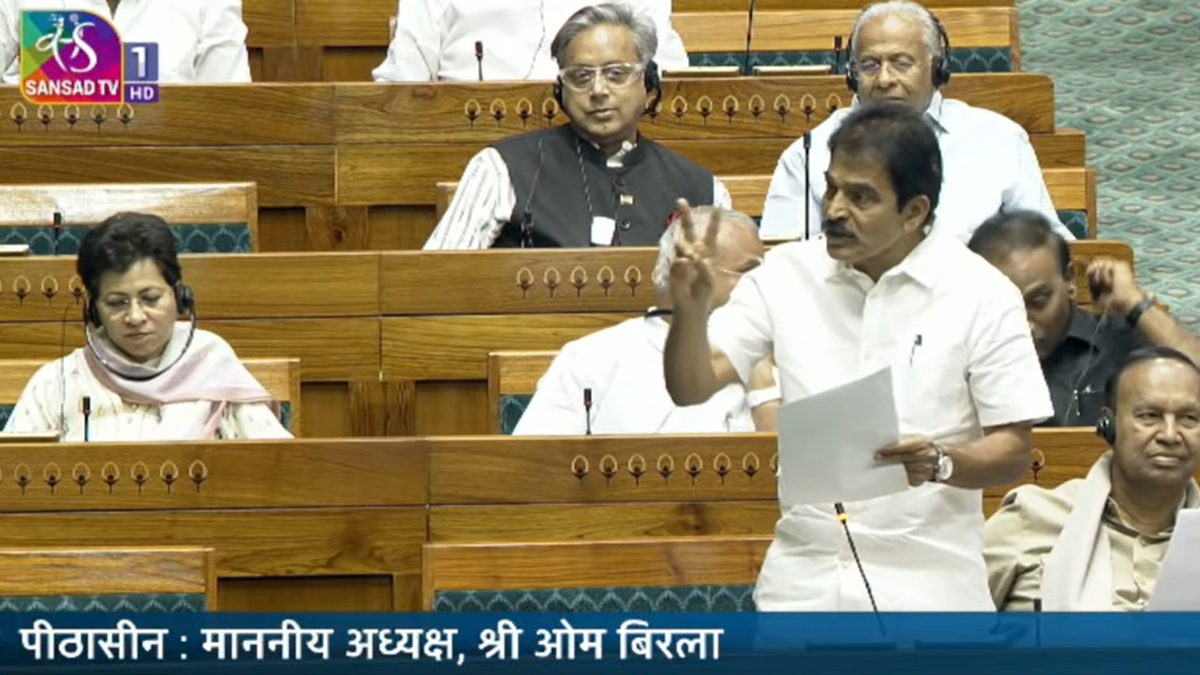
BJP's Women's Reservation Bill Controversy
The BJP faces backlash over the Women's Reservation Bill as the DMK accuses it of political exploitation during a heated and pivotal Lok Sabha session in Delhi.
India
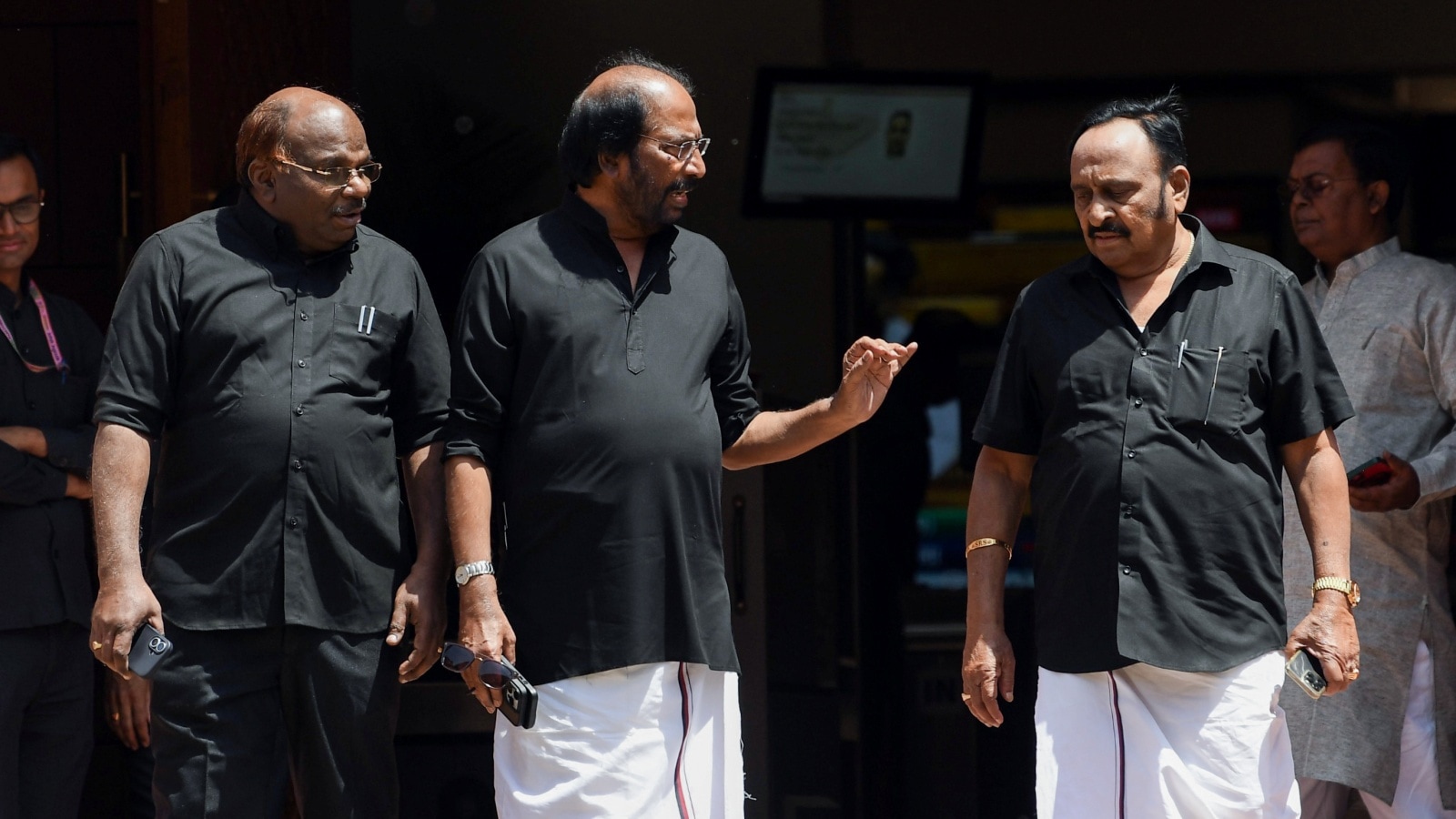
Delimitation Bill Controversy
India's Delimitation Bill ignites fierce debate, raising fears over federal representation and shifting the balance of political power among the states sharply.
India
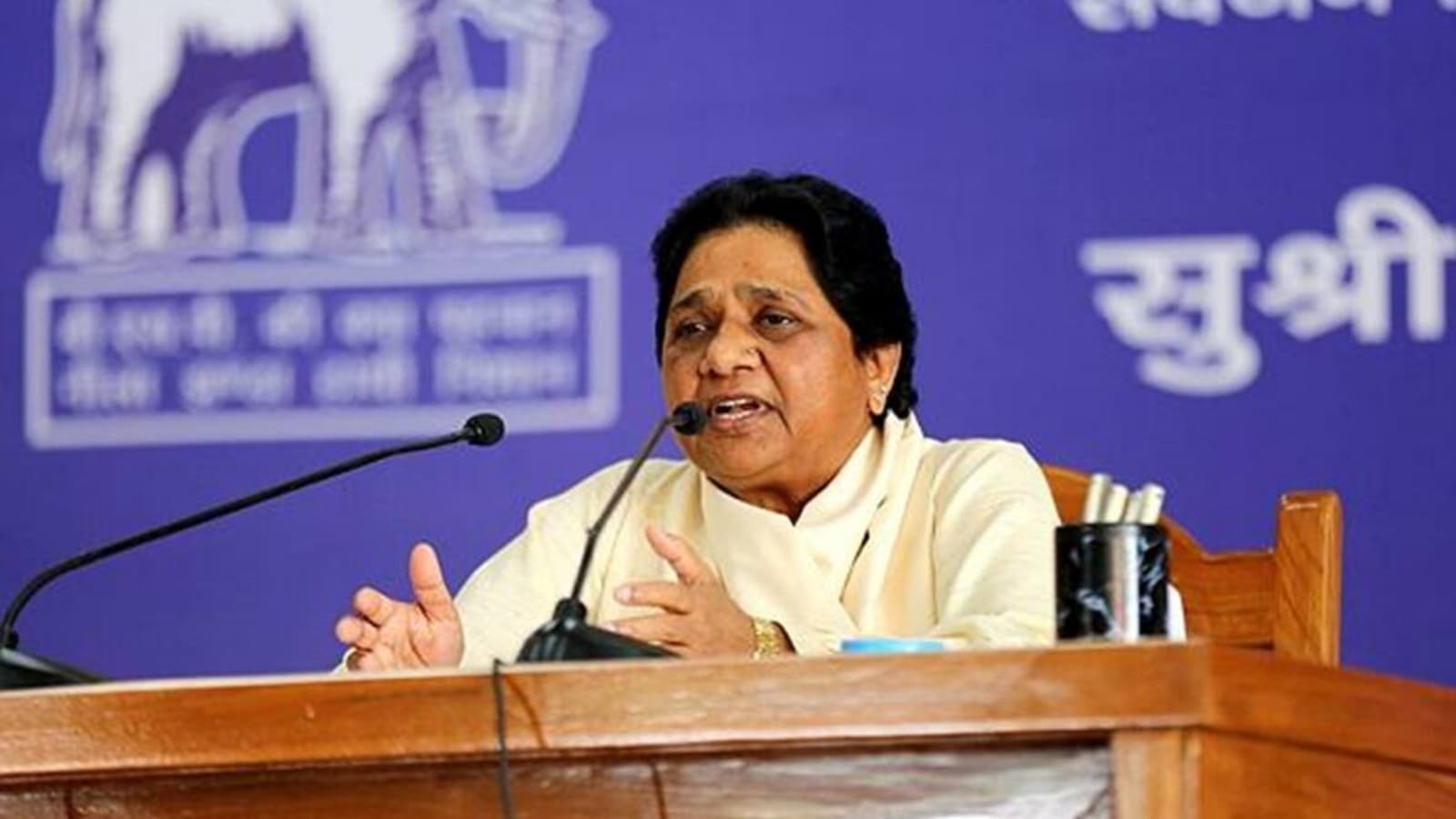
Former Leaders Endorse Women's Reservation
Pratibha Patil, Meira Kumar, and Mayawati backed the 33% Women's Reservation Bill, uniting behind a push to expand women's political representation in India.

Conflict & Security
Drone Warfare Killing Aid Workers at Unprec
Over 1,000 humanitarian workers killed in three years as cheap armed drones collapse legal protections. Gaza, Sudan, Ukraine, and DRC see deliberate targeting of aid convoys and hospitals with zero prosecutions.