India's Delimitation Debate
Shashi Tharoor warns of political maneuvering in delimitation.
Model Diplomat3 min readIndia
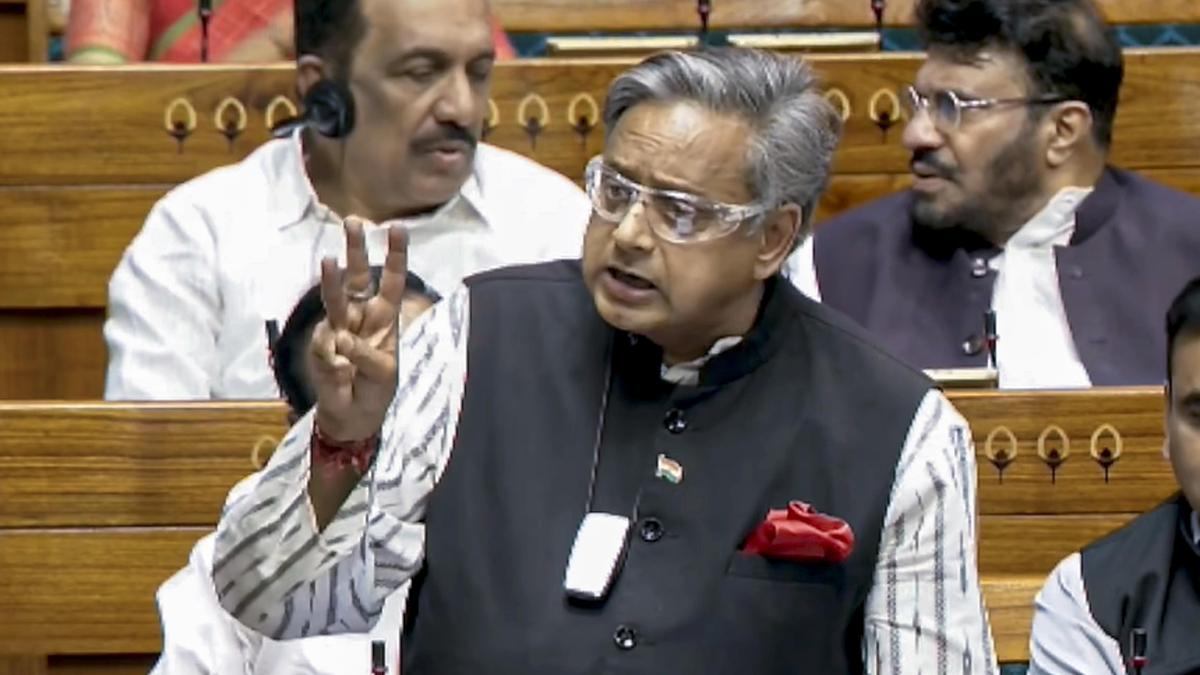
Delimitation in India: Political Demonetisation for Women's Reservation?
Congress leader Shashi Tharoor called the government’s delimitation move a “political demonetisation,” warning it could stall women's reservation in Parliament by tying it to a complex expansion process.
Shashi Tharoor’s Lok Sabha remarks on April 16, 2026, tagged the government’s plan to link women’s reservation to parliamentary seat delimitation as a “political demonetisation.” The critique targets both the timing and the tactic behind expanding the House of the People and redrawing constituency boundaries simultaneously. Tharoor’s opposition highlights a broader debate over whether the delimitation exercise, generally seen as a routine administrative task, could become a vehicle for political maneuvering with outsized consequences on gender representation.
Why the Delimitation Debate Matters
Delimitation is the process of redefining electoral constituencies to reflect changes in population. India last undertook a major delimitation exercise in 2008, adjusting Parliament and state assembly seats to new demographic realities. This time, the Narendra Modi-led government plans a fresh delimitation ahead of the 2029 general elections, a move widely seen as preparing the ground for increasing Lok Sabha seats beyond the current 543.
The government’s linkage of this expansion to the introduction of a 33% reservation for women in Parliament—the Women’s Reservation Bill has been pending for years—has sparked sharp criticism. Tharoor framed this link as holding women’s political aspirations hostage to an inherently complex and politically charged process. By tying women’s representation to an unpredictable and politically sensitive delimitation, the government risks stalling a long-awaited reform that could transform India’s male-dominated politics.
Calling it “political demonetisation” recalls the impact of Modi’s 2016 currency ban, which disrupted lives overnight without notice. Tharoor’s analogy suggests the delimitation-reservation package could similarly blindside women’s rights advocates and the electorate. Instead of straightforwardly legislating women’s reservation, the government is interposing a procedural hurdle charged with potential partisan gerrymandering.
The Bigger Political Stakes
Delimitation is never just an administrative exercise in India. Because seats are allocated based on population, states that have successfully curbed birth rates risk losing representation, while others poised for growth could gain seats. This directly impacts the balance of power among regional parties and states—a highly sensitive issue.
Some observers suspect the Modi government aims to redraw constituencies to consolidate BJP’s parliamentary dominance, possibly by curtailing states like Uttar Pradesh (with many opposition strongholds) and expanding newer power bases. If women’s reservation is locked into this equation, critics argue it’s a masterstroke to delay or dilute a reform that might empower opposition political actors and entrenched dynasties alike.
Shashi Tharoor, a prominent Congress voice, is positioning his party as defenders of both democratic fairness and gender equality. His comments ensure the debate will remain politicized, with opposition parties pressing for an immediate, standalone Women’s Reservation Bill, free from delimitation conditions.
What to Watch Next
The government’s next steps in pushing delimitation and parliamentary expansion will signal if this is genuinely a reform move or a tactical delay on women’s reservation. Key points to monitor:
- The exact timeline and parameters laid out for the delimitation process.
- Parliamentary debates, including opposition attempts to decouple women’s reservation from delimitation.
- Regional state responses—especially populous ones like Uttar Pradesh, Bihar, and Maharashtra—who risk losing or gaining seats.
- Women’s groups and civil society pressure campaigns on legislators to prioritize direct reservation legislation.
In short, what looks like an arcane technical exercise could reshape India’s electoral map and stall historic gender reforms. The “political demonetisation” label captures the frustration—and stakes—of women and opposition voices watching from the sidelines.
For a deeper dive into India’s electoral politics and reform debates, see India Politics and
Global Politics.
Delimitation Will Turn Out to Be 'Political Demonetisation' - Shashi Tharoor in Lok Sabha
Discover more
India
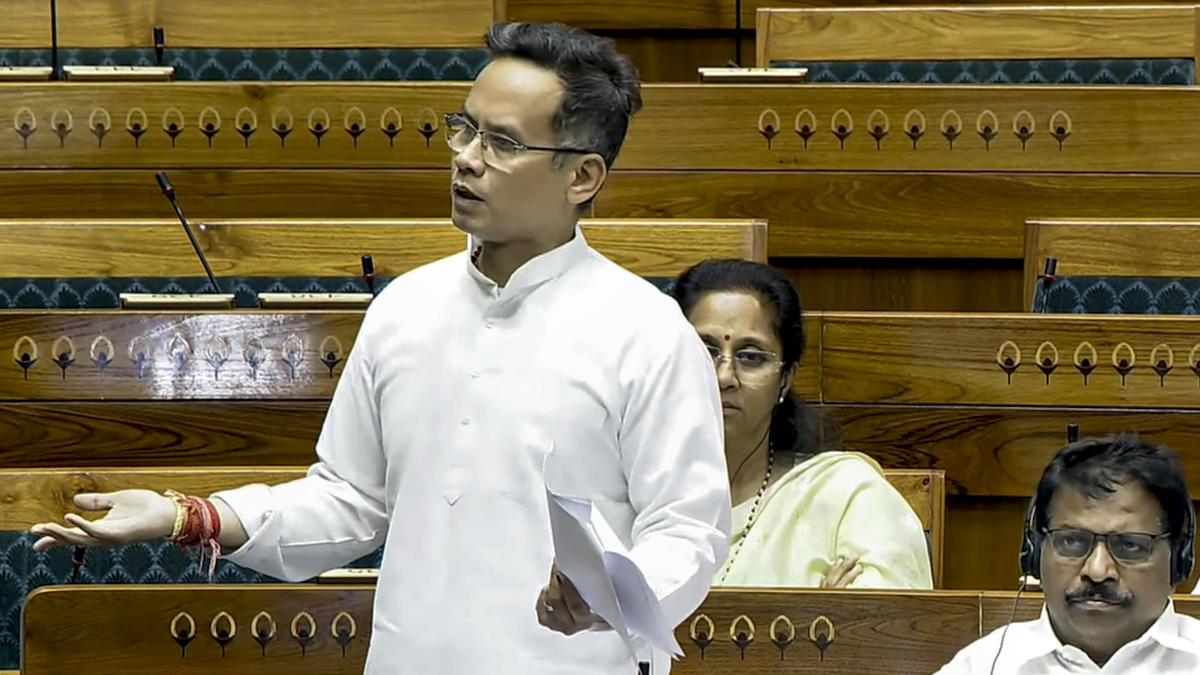
Congress: Modi's Delimitation Manipulation
Congress accused the Modi government of using delimitation to consolidate power in Jammu and Kashmir, urging it be separated from the women's reservation bill.
India
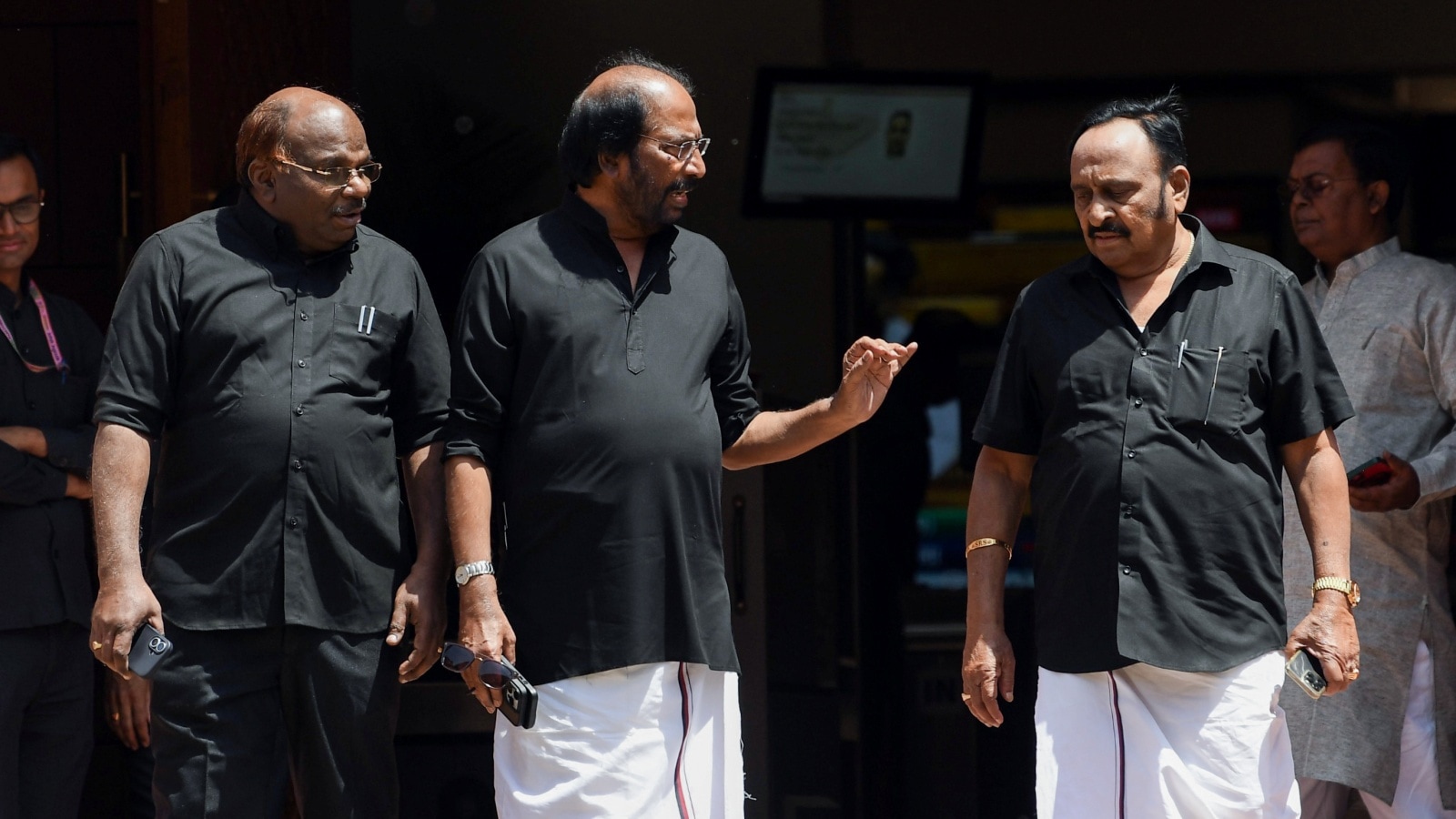
Delimitation Bill Controversy
India's Delimitation Bill ignites fierce debate, raising fears over federal representation and shifting the balance of political power among the states sharply.
India
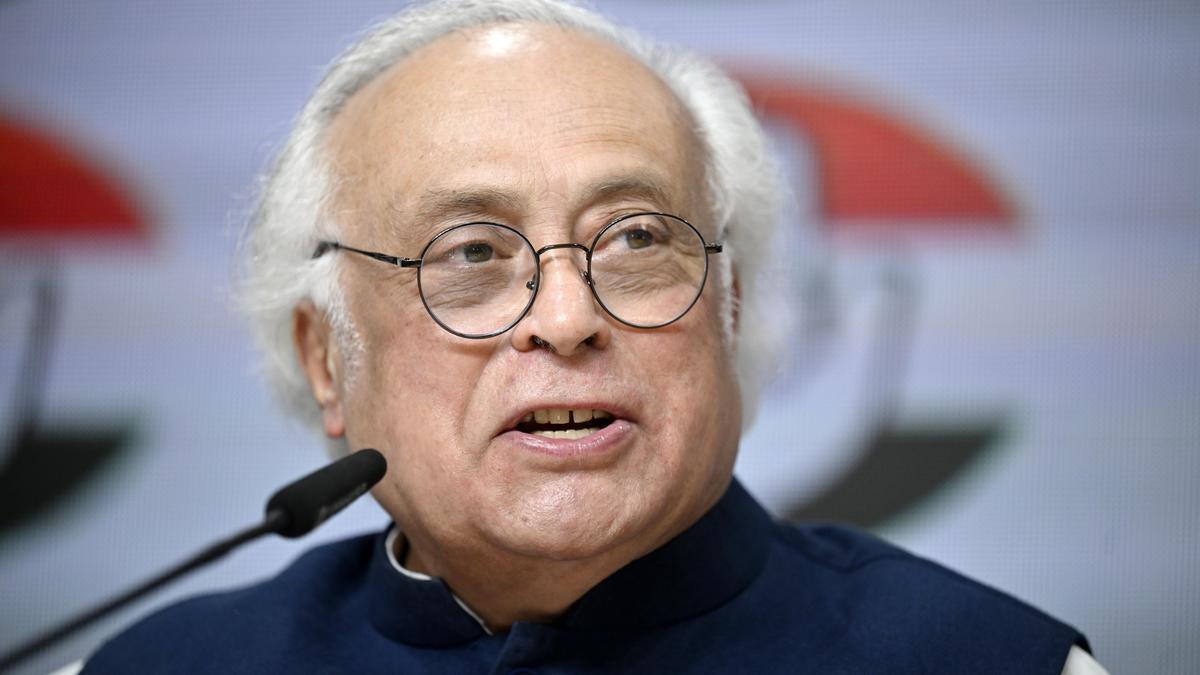
Congress Accuses Modi of Delimitation Deceit
Congress accuses Modi's government of deceit over delimitation, charging it skips a caste census and reshapes political dynamics to its favor before elections.

Conflict & Security
Drone Warfare Killing Aid Workers at Unprec
Over 1,000 humanitarian workers killed in three years as cheap armed drones collapse legal protections. Gaza, Sudan, Ukraine, and DRC see deliberate targeting of aid convoys and hospitals with zero prosecutions.