India’s Constitution Amendment Bill 2026 Sets Stage for New Delimitation Shake-Up
The 131st Constitution Amendment Bill proposes ending the 50-year freeze on adjusting parliamentary and assembly seats based on population, potentially redrawing India's political map.
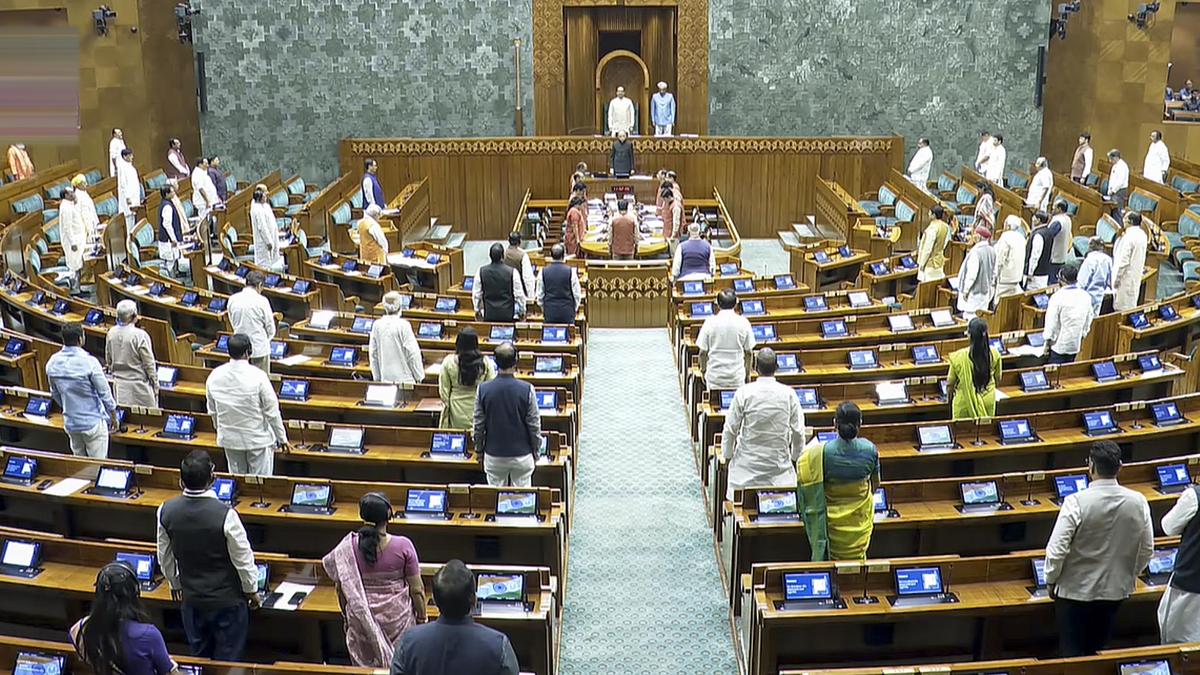
On April 14, 2026, the Indian government introduced the Constitution Amendment Bill (131st) 2026, signaling a significant shift in the electoral landscape. The bill aims to restart the process of delimitation—that is, redrawing the boundaries and adjusting the number of Lok Sabha (lower house of Parliament) seats and State Legislative Assembly seats based on the latest population data. This comes after a constitutional freeze imposed in 1976, which halted any change in seat allocation till 2026, primarily to incentivize population control.
Why This Matters: Demographic Shifts Meet Political Stakes
The 1976 freeze was intended to prevent states that successfully reduced population growth from losing political representation relative to states that did not. It has resulted in a misalignment: rapidly growing states like Uttar Pradesh, Bihar, and Maharashtra have not seen an increase in their parliamentary representation commensurate with their population growth. Conversely, states with slower growth, like southern states including Kerala and Tamil Nadu, have retained relatively higher political weight.
Resuming delimitation introduces the possibility of redistributing seats to better reflect demographic realities—a process with enormous political ramifications. States with burgeoning populations can gain influence in Parliament and state legislatures, while others may see their power diluted.
The bill also proposes establishing a Delimitation Commission to oversee this adjustment, ensuring the redrawing of boundaries is systematic and grounded in census data. The potential increase or decrease in the total size of State Legislative Assemblies could reshape local politics significantly.
Historical and Political Parallel: Delimitation as a Double-Edged Sword
India last conducted major delimitation in the early 2000s (based on 2001 census data), but the moratorium on overall seat numbers stayed intact. Now, as the freeze lifts, political parties are recalibrating strategies. Regional parties dominant in historically overrepresented states may resist changes, while national parties like the BJP may see this as an opportunity to expand influence in populous regions.
For context, the 1976 freeze coincided with the Emergency period and socio-political upheavals that incentivized population control strategies within states. Its continuation ensured political stability but froze India's representation map in a snapshot that no longer matches on-ground realities.
What to Watch Next: Census Data and Political Negotiations
The process depends on the 2021 census data, which was delayed due to the COVID-19 pandemic, but is now expected to be finalized soon. Once data is available, the Delimitation Commission will have the task of proposing seat adjustments.
Legislative debates will be intense. States facing potential seat reductions will lobby strongly against changes, while the central government faces the challenge of balancing political equity with regional aspirations.
Ultimately, this bill sets the stage for a major recalibration of Indian democracy’s foundational mechanics, with ripple effects on electoral politics, regional power balances, and governance.
For political watchers, this development is a reminder that constitutional amendments on representation are as much about numbers as they are about power dynamics in a federal setup.
For more insights on India’s evolving political structure, visit  India.
 Constitution Amendment Bill proposes fresh delimitation, possible change in size of state assemblies, The Hindu