U.S. Budget Negotiations Intensify 2026
April 2026 sees intense budget talks in Washington D.C.
Model Diplomat3 min readUnited States
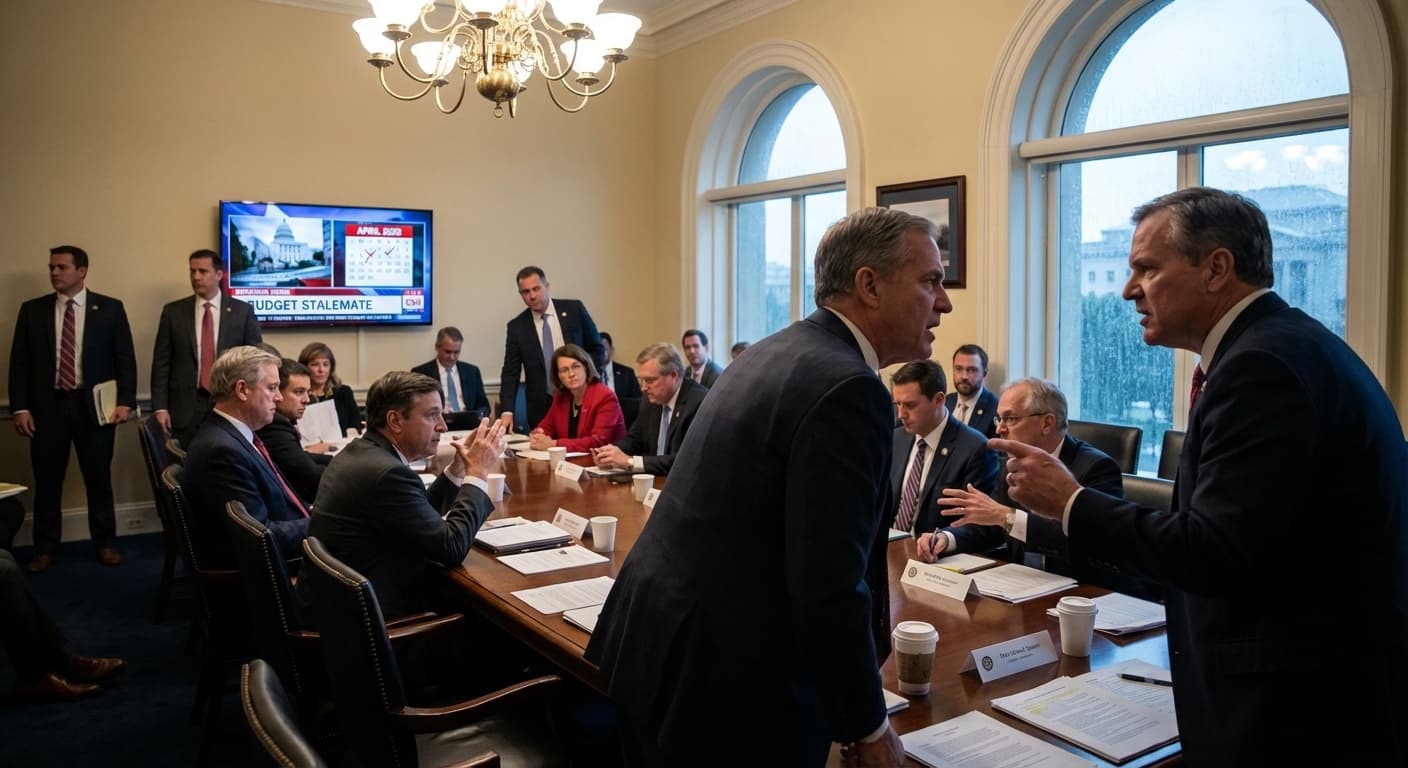
U.S. Budget Talks Heat Up Amidst Political Gridlock in Washington
As April 2026 advances, budget and spending negotiations dominate U.S. political headlines, revealing deep partisan divides and high stakes for upcoming domestic policy.
The latest updates from AP’s National hub make it clear: Washington is entrenched in high-stakes budget talks, intense legislative negotiations, and executive maneuvering—a familiar cycle with new wrinkles this year. Congress and the White House are negotiating on spending levels, debt ceilings, and domestic policy priorities, with several deadlines looming in the weeks ahead.
Why Budget Talks Matter More Than Ever
Budget and spending negotiations are often portrayed as routine political theater, but this year they underscore critical shifts in the U.S. policy landscape. First, the federal debt ceiling and spending caps remain contentious issues after recent bipartisan deals expired, leaving Congress scrambling to draft new agreements. Failure to raise or suspend the debt limit imminently risks a U.S. default, with global financial markets and the economy watching closely.
Second, domestic policy battles entwined with budget talks reveal fault lines within and between parties. Proposals under consideration include expansions or cuts to social welfare programs, healthcare funding adjustments, and infrastructure investments. These are flashpoints that reflect broader ideological divides, not just between Republicans and Democrats but within their ranks. House and Senate factions wrestle with balancing voter demands, fiscal responsibility claims, and strategic legislative priorities.
Third, the White House’s use of executive orders and public statements highlights the administration’s effort to shape the narrative and pressure Congress. With midterm elections less than a year away, the political calculus intensifies. How the budget debate resolves—or stalemates—will impact voter sentiment and party positioning.
Historical Parallels and Current Implications
This moment echoes budget standoffs during previous crisis points—such as the 2011 debt ceiling debacle which nearly triggered a U.S. credit downgrade and market turmoil. Much has changed since then, including a more polarized Congress and faster news cycles, but the core risks remain: political brinkmanship impacting economic stability.
Importantly, these negotiations reveal how policy and politics intertwine with governance. A delayed or partial agreement would mean short-term government funding bills, creating uncertainty in federal programs and agencies. Conversely, a comprehensive bipartisan deal could signal a rare moment of cooperation post-midterms and set the stage for long-term policy initiatives addressing healthcare, climate, and infrastructure.
What to Watch Next
Key dates to monitor include the congressional deadlines for funding bills and the debt ceiling. Any missed deadline risks a government shutdown or default risk, with immediate economic repercussions. Watch also for shifts in party leadership stances, as well as White House messaging and executive actions that could sidestep or escalate congressional deadlock.
Tracking contributions from moderate lawmakers—both Republican and Democrat—will be important as they often serve as swing votes in these negotiations. Their willingness to compromise or resist could determine the outcome.
For anyone following U.S. domestic and budget policy, this situation remains fluid and consequential. The stakes are not just about numbers in a ledger but reflect broader questions about governance, economic confidence, and political strategy in 2026.
Explore more on evolving U.S. political dynamics on United States and
Global Politics.
Source: AP News National Hub
Discover more

Human Rights
Trump's Deportation Surge: A Quiet Crisis
ICE arrests 10,000 in five days amid a surge in deportations, raising alarms over human rights and deaths in custody.
International Relations
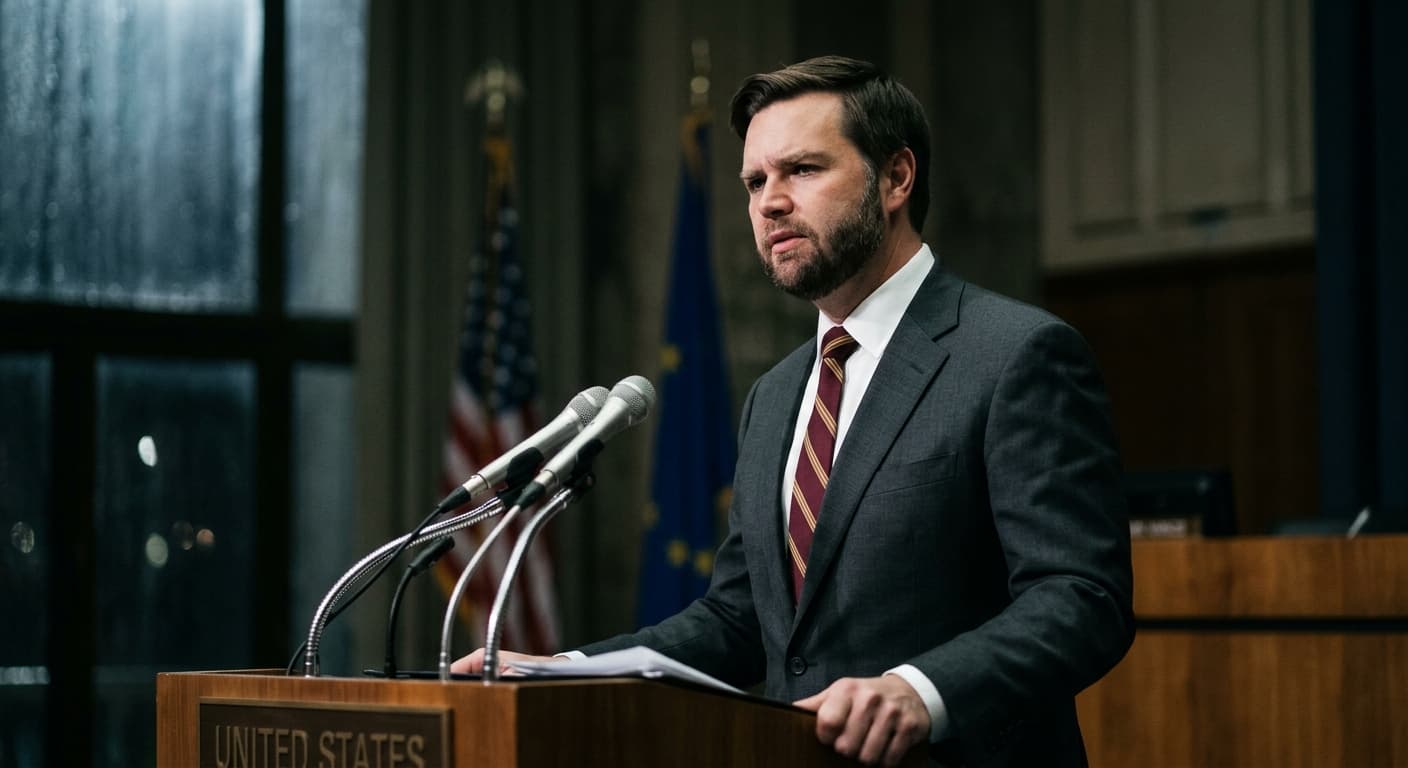
Vance's Gambit: Iran Deal Amidst Chaos
Vice President Vance pursues an Iran nuclear deal as Middle East tensions escalate, testing whether US diplomacy can hold amid mounting regional chaos.
Global Politics
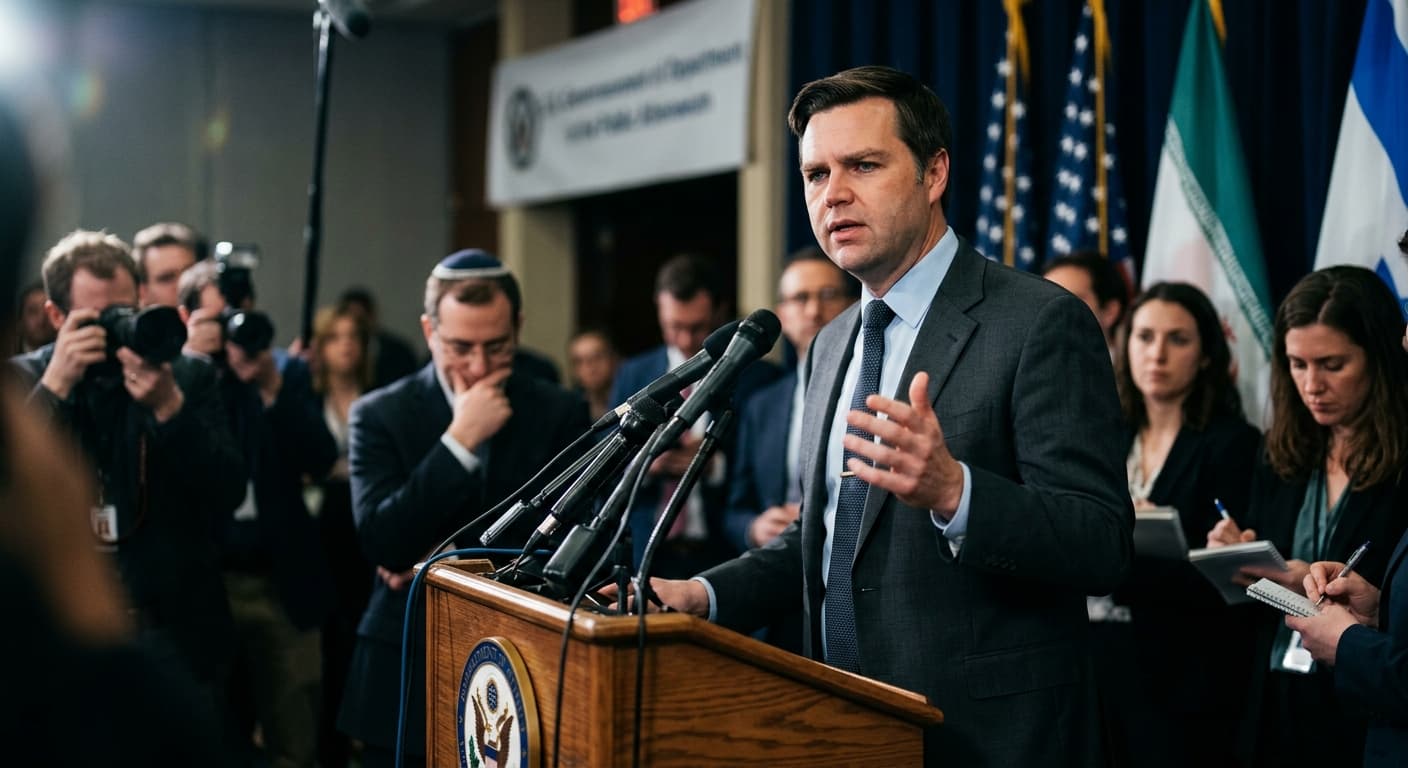
Vance Defends Iran Deal Amid Backlash
Vice President Vance defends the Iran deal amid backlash as Israel's actions threaten the fragile diplomatic progress and stir division within US politics.
Global Politics
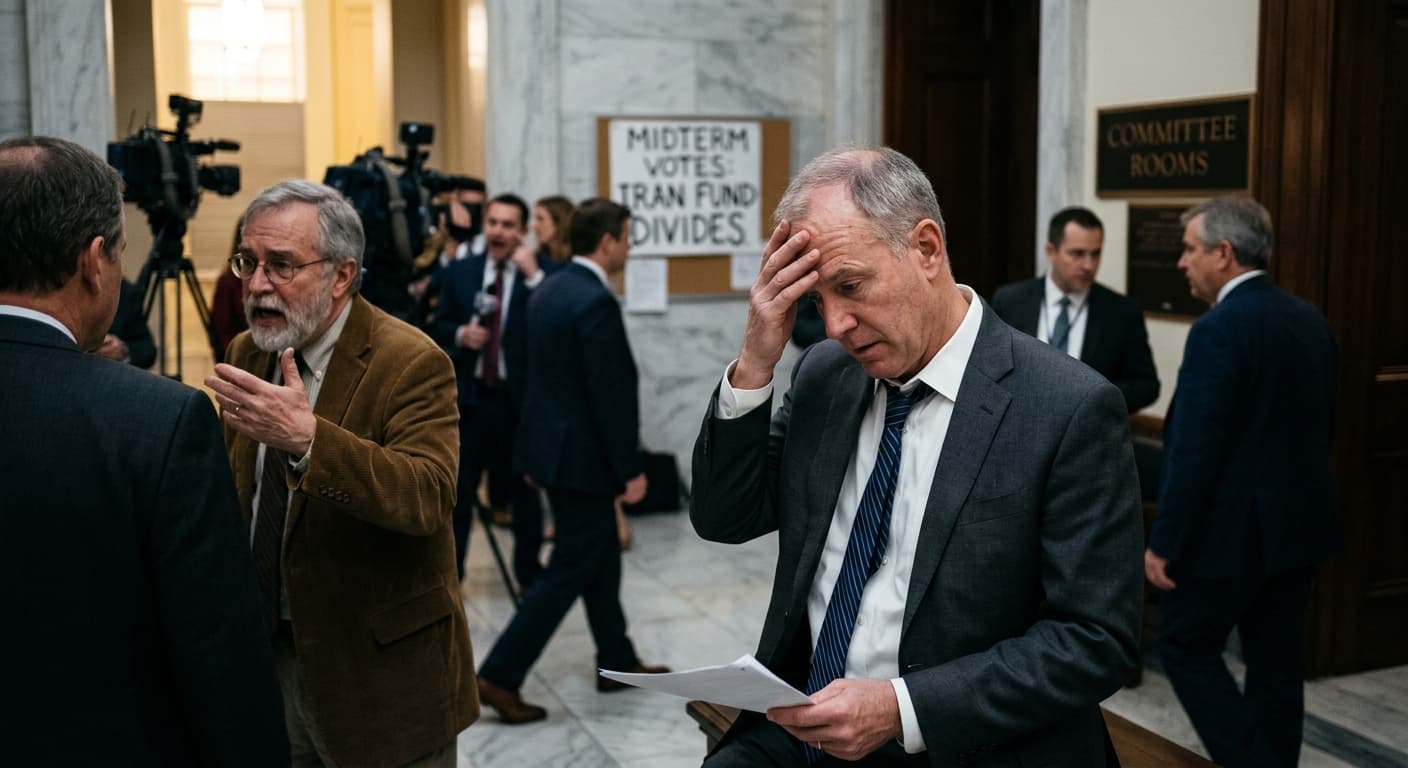
Iran's $300B Windfall Splits Washington in
Trump's proposed Iran reconstruction fund splits Congress ahead of the midterms, fueling a partisan fight over US spending and Middle East strategy and policy.