Dave Chappelle's Capitol Hill Visit
Chappelle's presence at Capitol highlights culture's role in politics.
Model Diplomat3 min readUnited States
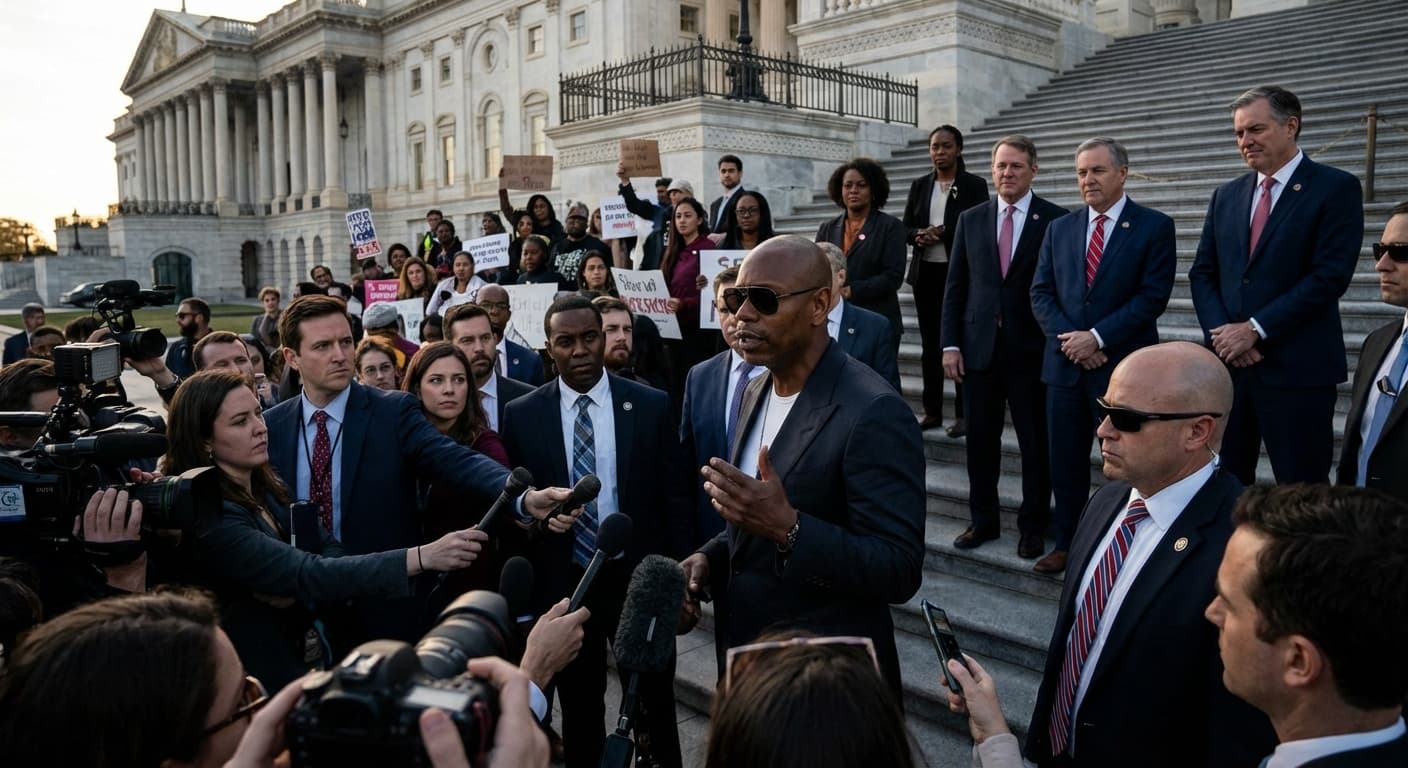
Dave Chappelle’s Capitol Hill Appearance Highlights Culture Clash in U.S. Politics
Comedian Dave Chappelle’s unexpected presence at a Capitol event underlines how culture and politics collide in today’s U.S. domestic landscape.
Dave Chappelle, a polarizing cultural figure known for his sharp and often provocative comedy, attended a congressional opening event recently, briefly capturing attention amid otherwise heavy domestic political news. This moment at the intersection of entertainment and politics is worth unpacking far beyond the fleeting headlines. It punctuates a very current theme in American political life: the growing entanglement of culture wars with governance and policymaking.
Why Chappelle’s Appearance Matters
Chappelle’s comedy has long sparked debates over free speech, race, and identity politics. His shows, particularly recent specials, have been praised and condemned in equal measure, reflecting deep divisions within the U.S. public. His attendance at a Capitol event—traditionally a bastion of formal, sober political processes—signifies how political spaces are increasingly venues for cultural signposting, not just legislation.
The broader story here is that American domestic politics is no longer solely about traditional policy disputes over taxes, healthcare, or infrastructure. It’s also about defining cultural narratives and identity boundaries in real time. Lawmakers and cultural figures now regularly cross paths in ways that signal whose voices and values dominate public discourse. Chappelle’s presence highlights the role of cultural influencers in shaping political conversations, whether through direct participation or symbolic gestures.
The Broader Domestic Stage
This event comes amid ongoing battles on Capitol Hill ranging from debates over voting rights and social policies to economic discontent and immigration. Each of these issues is layered with cultural stakes—questions about national identity, inclusion, and social cohesion—which amplify conflict. In such a climate, figures like Chappelle are not just entertainers but cultural barometers, reflecting the anxieties and aspirations of large swaths of the public.
The debate spurred by cultural icons can influence legislators, grassroots movements, and voter sentiments alike. For instance, as Congress grapples with divisive social legislation, the messaging and symbolism delivered by popular culture figures wield real political weight. Chappelle attending a political event might seem trivial, but it signals a recognition that cultural legitimacy is now a form of political capital.
What to Watch Next
Going forward, expect continued blending of culture and politics in U.S. domestic affairs. How lawmakers engage—or clash—with cultural leaders and influencers will shape policymaking dynamics and election strategies. Watch for more interactions like this, where entertainers or cultural commentators insert themselves directly into political forums or discourse.
Also, observe how different political camps use figures like Chappelle to rally their bases. Will some see his presence as validation of free expression against political correctness, while others view it as emblematic of broader social fractures? This cultural tug-of-war is poised to influence Congress and the White House’s approach to contentious issues in the upcoming legislative sessions.
For those tracking U.S. politics, recognizing the fusion of culture and policy is essential. It’s no longer enough to follow just the legislative votes or executive actions; the cultural signals matter deeply in understanding the direction of domestic politics today. This evolving interplay is where the future of American political identity is being contested and reshaped.
For further context, see our coverage on U.S. Politics and broader
Domestic Policy.
Discover more
Human Rights
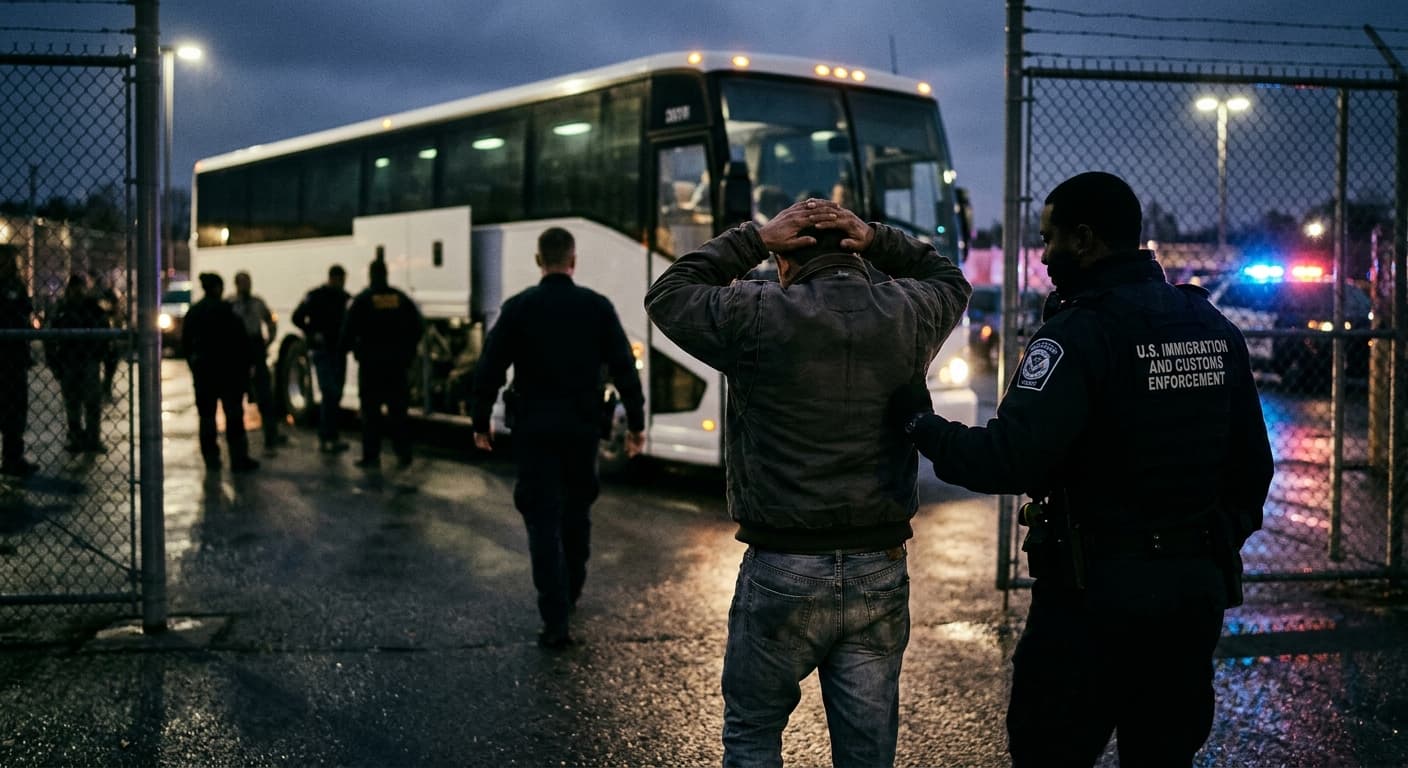
Trump's Deportation Surge: A Quiet Crisis
ICE arrests 10,000 in five days amid a surge in deportations, raising alarms over human rights and deaths in custody.
International Relations
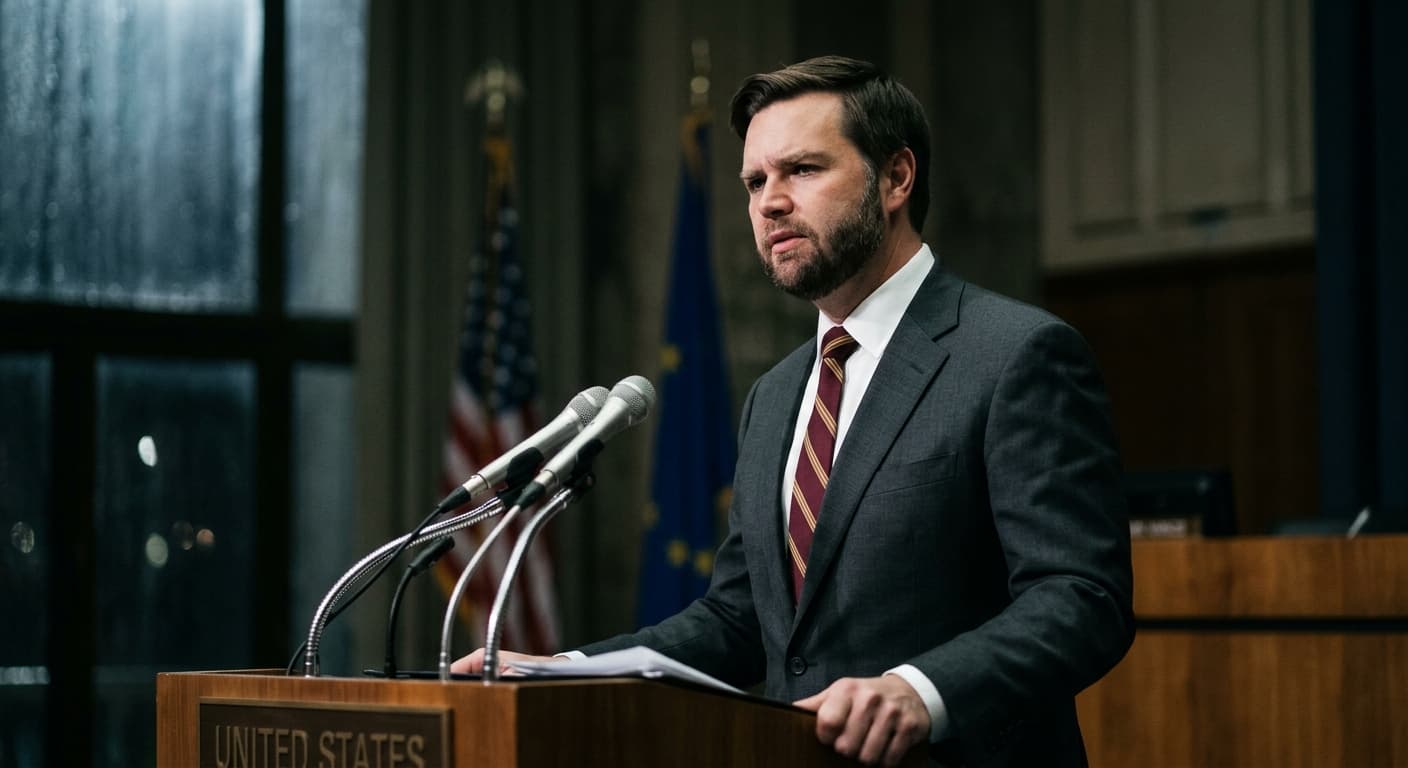
Vance's Gambit: Iran Deal Amidst Chaos
Vice President Vance pursues an Iran nuclear deal as Middle East tensions escalate, testing whether US diplomacy can hold amid mounting regional chaos.
Global Politics
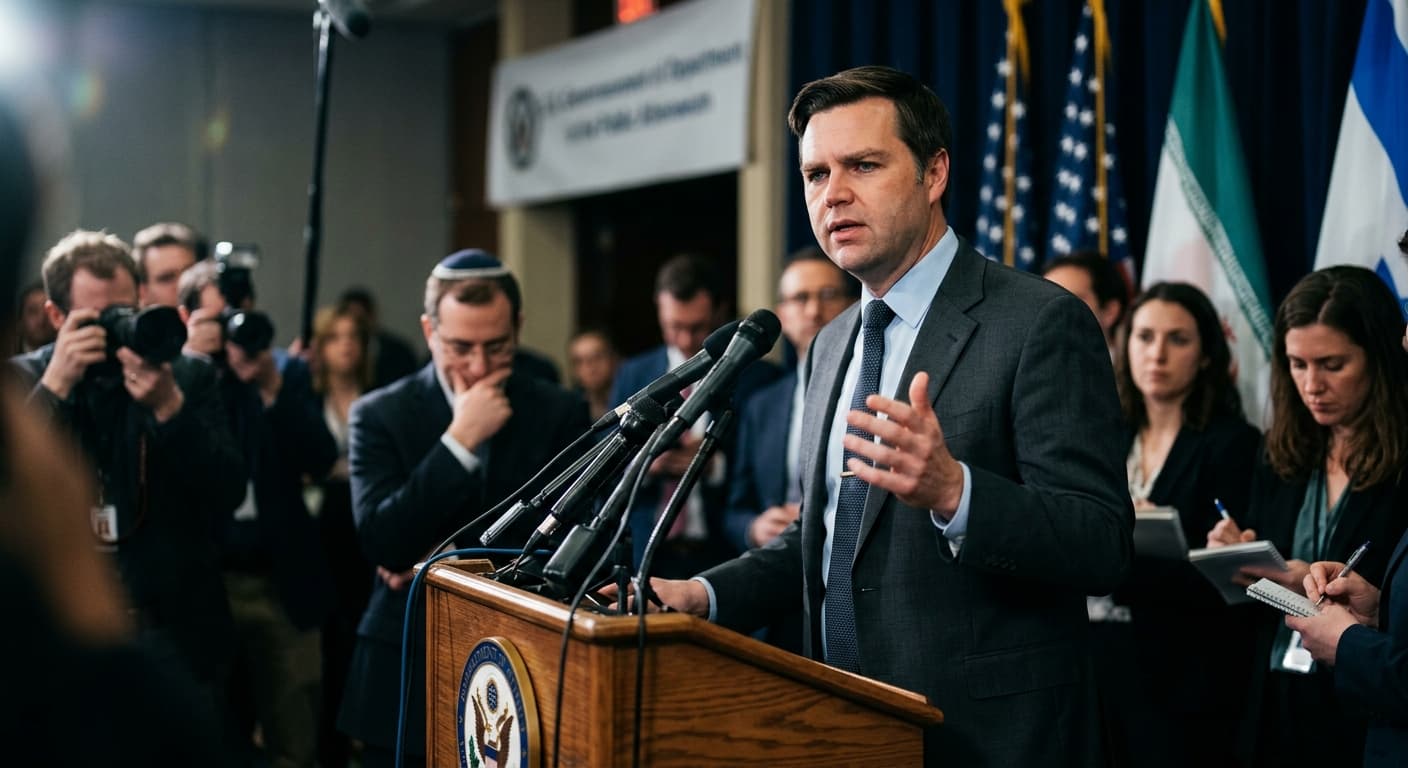
Vance Defends Iran Deal Amid Backlash
Vice President Vance defends the Iran deal amid backlash as Israel's actions threaten the fragile diplomatic progress and stir division within US politics.
Global Politics
Iran's $300B Windfall Splits Washington in
Trump's proposed Iran reconstruction fund splits Congress ahead of the midterms, fueling a partisan fight over US spending and Middle East strategy and policy.