Trump Claims Iran War Nearing End Amid Block
Trump's remarks contrast with U.S. military actions in the region.
Model Diplomat3 min readMiddle East
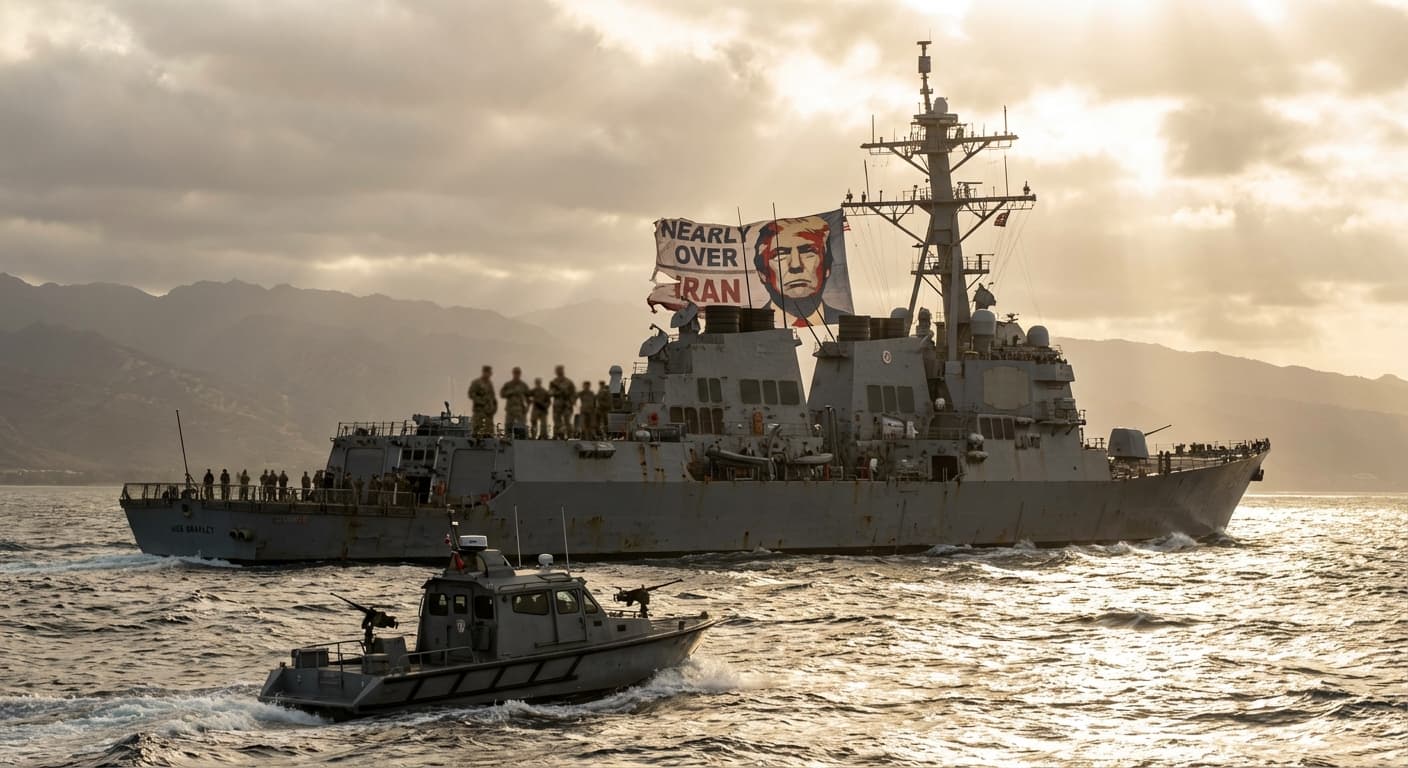
Trump Says Iran War ‘Very Close to Over’ Amid U.S. Maritime Blockade
Trump’s optimistic claim on the Iran conflict contrasts sharply with ongoing U.S. military moves, revealing layered messaging and strategic posturing.
On April 15, 2026, former President Donald Trump stated in an interview that the war involving Iran is "very close to over," an upbeat assertion that diverges from the current operational reality. At the same time, the U.S. announced a maritime blockade of Iranian ports, with U.S. Central Command declaring “maritime superiority” in the region. This juxtaposition highlights a critical moment in U.S. policy signaling and positions Trump as engaged in shaping the narrative around a conflict that remains volatile and multifaceted.
Contrasting Statements and Military Reality
Trump’s comment comes amid a conflict that retains high stakes in Middle East security. The U.S. Central Command’s announcement of a maritime blockade is a hard power move intended to choke Iran’s economic lifelines and demonstrate control over Gulf shipping routes. This blockade signifies intensified pressure on Iran, especially restricting its oil exports, a critical economic leverage point.
Yet, Trump’s optimistic tone — calling the war "very close to over" — arguably serves multiple purposes. It echoes an approach Trump has taken repeatedly: framing U.S. military engagements toward swift resolution, often contrasting with more cautious official statements. This messaging may be aimed at calming markets and domestic audiences wary of prolonged conflict or military escalation.
But the reality remains complex. The maritime blockade is an escalatory step, increasing risks of confrontations at sea and potentially involving regional actors like Iran’s proxies in Iraq and Yemen. It also tests alliances, including with Gulf neighbors who balance between opposing Tehran and avoiding direct confrontation.
Why This Matters: Messaging and Leverage
Trump’s intervention serves as a form of political signaling that complicates the official U.S. line. Though not in government, Trump remains a major voice in Republican politics and on foreign policy discourse. His premature declaration of nearing the end of the conflict could pressure the Biden administration — which currently manages U.S.-Iran tensions — to clarify its stance or accelerate diplomatic efforts.
Meanwhile, the maritime blockade represents a tactical leverage tool within a broader contest. It underlines Washington’s intent to maintain dominance over the strategically vital Strait of Hormuz, through which about 20% of global oil passes. By claiming “maritime superiority,” the U.S. is sending a clear signal to Tehran: economic and military options remain firmly on the table to compel Iran to change course.
Historically, similar blockades or embargoes, such as those imposed on Iraq in the 1990s or Cuba for decades, have had mixed outcomes—sometimes bolstering adversaries’ resilience rather than hastening conflict resolution. How Tehran reacts to the blockade and pressure will be central in shaping whether Trump’s optimistic timeline has any grounding.
What to Watch Next
-
Iran’s Response: Tehran’s next moves—whether confrontation at sea, escalatory proxy attacks, or diplomatic outreach—will reveal whether U.S. pressure leads to de-escalation or further conflict.
-
U.S. Political Dynamics: Watch for how the Biden administration responds to Trump’s statement. Will it embrace a similar optimistic frame, push back, or recalibrate messaging amid mixed military signaling?
-
Regional Alliances: Gulf states and Israel’s reactions will be telling, as their security calculations around the blockade and U.S. posture shape broader Middle East volatility.
Trump’s declaration is more than offhand optimism—it’s a reminder of how U.S. political voices outside formal power still shape conflict narratives, even as military realities on the ground remain fraught.
For a deeper dive on U.S. politics and Middle East focus, see United States and
Global Politics.
Discover more

US Politics
Democrats Aim to Curb Trump's Iran War Powers
US Democrats introduce measures to curb Trump's war powers on Iran, demanding congressional approval for military action in a critical test of oversight.

Conflict & Security
Drone Warfare Killing Aid Workers at Unprec
Over 1,000 humanitarian workers killed in three years as cheap armed drones collapse legal protections. Gaza, Sudan, Ukraine, and DRC see deliberate targeting of aid convoys and hospitals with zero prosecutions.

Global
World Normalises Taliban as Afghan Women Eras
UN data shows Afghan women erased from public life as Russia recognises the Taliban, EU hosts officials in Brussels, and ICC warrants for gender persecution go unenforced.
Conflict & Security
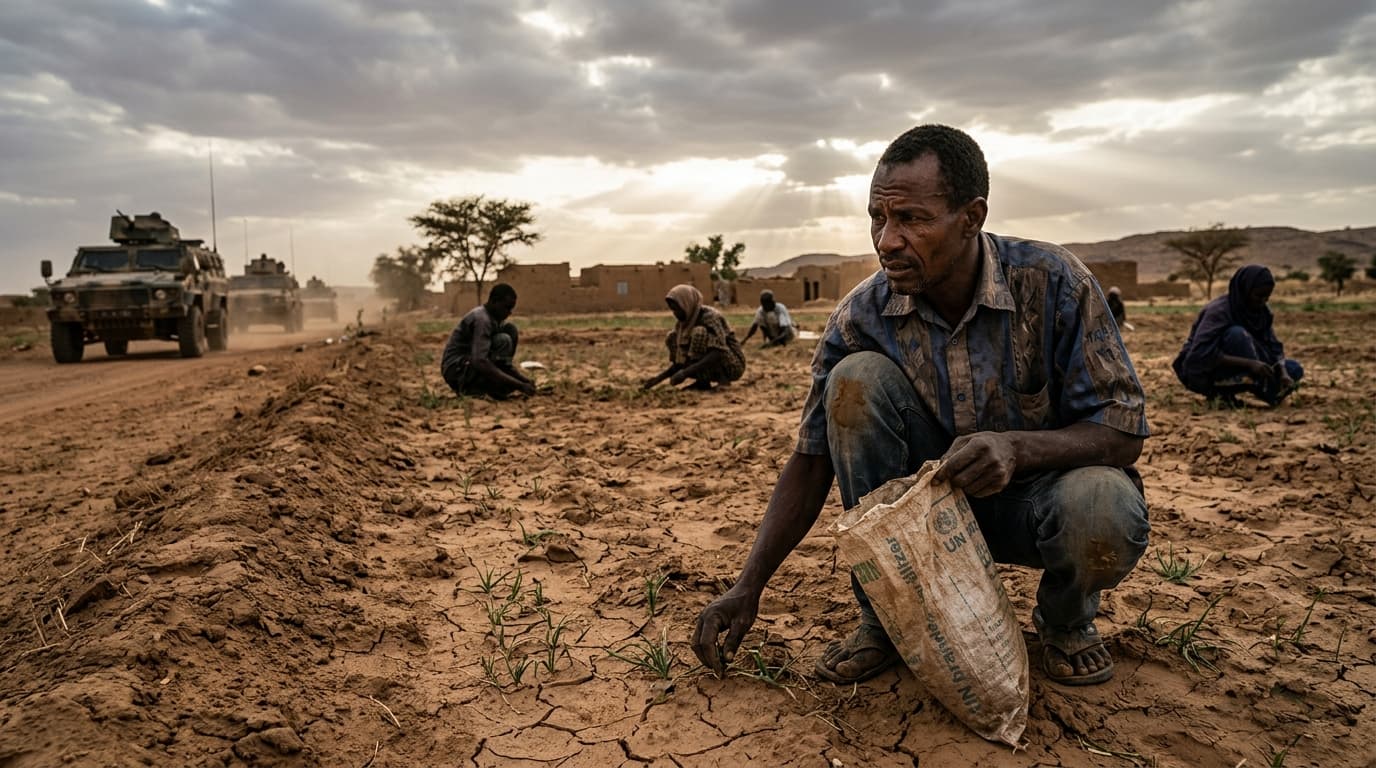
West Africa Food Crisis: Three Shocks in 2026
Conflict, climate extremes, and the Strait of Hormuz closure drive a severe food crisis in West and Central Africa, with fertilizer prices surging 80% and millions displaced.