Indiana Primary
May 5 primary reveals Trump's grip on Indiana Republicans.
Model Diplomat3 min readIndiana
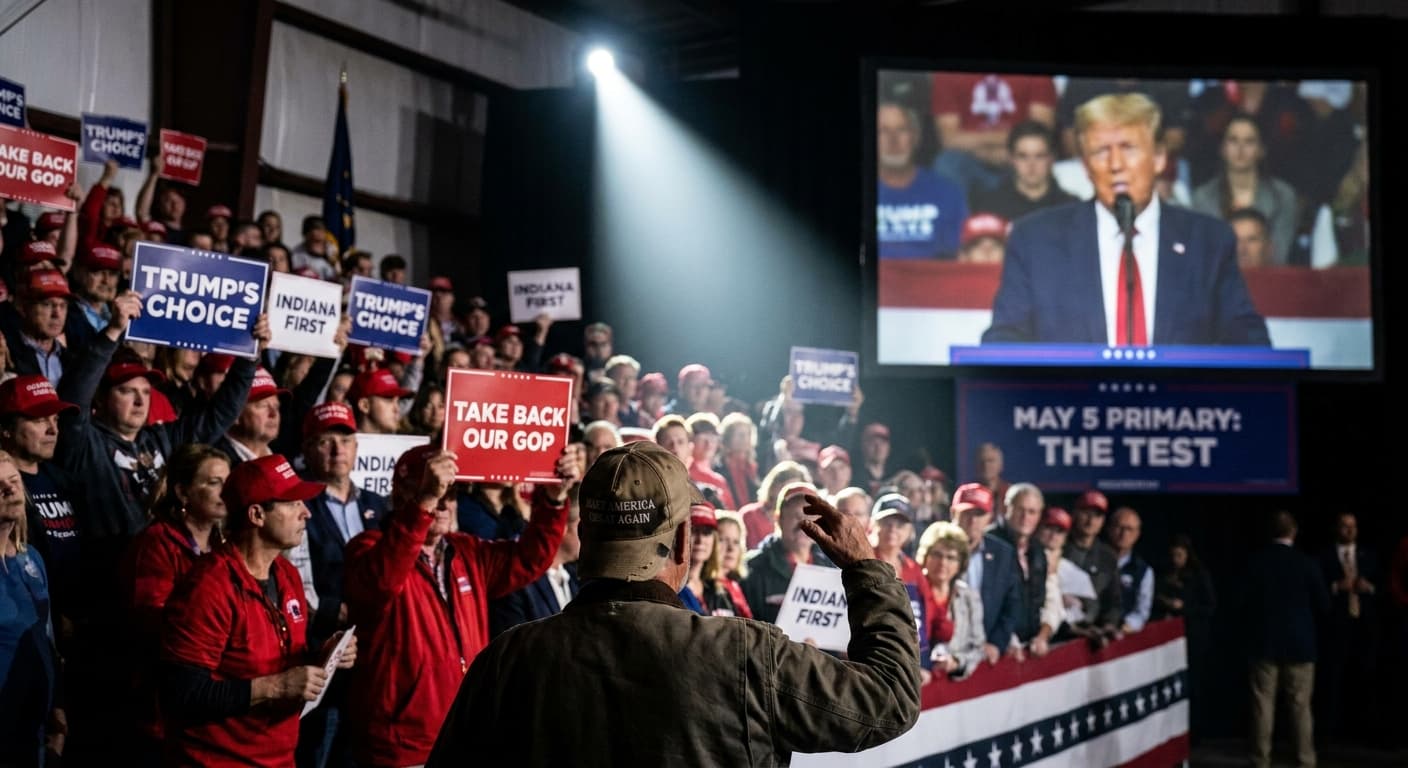
Indiana primary will test Trump's control over Republican Party
Indiana's GOP primary on May 5 is shaping up as a referendum on Donald Trump's influence after local lawmakers defied his redistricting push, with Trump endorsing challengers against incumbents who opposed him.
The power struggle behind the ballot
Indiana’s upcoming primary is about more than just local races—it’s a proxy battle over Donald Trump’s lingering hold on the Republican Party. The drama stems from a redistricting plan pushed by Trump and his allies to reshape the state’s congressional map in a way that favors candidates loyal to him. When several incumbent GOP lawmakers refused to back this Trump-approved plan, the former president responded with a political vendetta: endorsing primary challengers specifically targeting those dissidents.
Julie Wise, a conservative voter from West Lafayette, encapsulates the tension. She told AP she wouldn’t vote against a Republican senator solely for opposing Trump’s redistricting efforts, signaling that not all conservative voters are automatically aligning with Trump’s playbook. This hints at a potential fracture in the GOP’s base where loyalty to Trump clashes with traditional party unity and local political considerations.
Trump has reportedly endorsed seven challengers against incumbent GOP senators who defied him. This move is a stark demonstration of how Trump is using endorsements as a weapon to "punish" perceived disloyalty and consolidate control, a pattern we've seen nationwide since he left office.
Why this battle matters nationally
Indiana is often overlooked in national GOP politics, but this primary could send a strong signal about the broader Republican Party’s future. If Trump’s endorsed challengers prevail, it would reinforce his dominance over the party machinery and the power of his endorsement—even at the expense of institutional party figures and long-serving incumbents. Such outcomes would further cement the party’s identity as Trump-centric heading into the 2026 midterms and beyond.
Conversely, if incumbents survive despite Trump’s opposition, it would reveal limits to his sway, showing that local Republican voters and officials can resist his attempts to reshape the party. That would encourage GOP figures in other states to stand firm against Trump’s demands, potentially reopening internal debates about the party’s direction post-Trump.
The stakes aren’t only internal. The Indiana primary also reflects the ongoing battle over redistricting nationally, where control over maps determines not just district lines but the ideological make-up of Congress for the next decade. Trump’s push for maps favoring his allies signals a bid to influence policy and power on Capitol Hill indirectly through loyalists.
What to watch next
May 5’s primary vote count in Indiana will be the first tangible test of Trump’s power to reshape a state GOP from the grassroots up since his presidential tenure ended. Observers should watch closely:
- How many of Trump’s preferred challengers win over established incumbents.
- Whether Trump's aggressive endorsement strategy alienates any segments of GOP voters.
- The responses from other party leaders nationally who may either rally behind Trump or quietly support incumbents.
- The repercussions for redistricting efforts in other states where Trump seeks similar influence.
This Indiana contest is a microcosm of the Republican Party’s crossroads. Will it fully embrace Trump's style of loyalty-driven politics, or will pragmatic conservatives push back? The outcome here may well foreshadow the blueprint for Republican politics in 2026 and beyond.
For more on American political dynamics, see US Politics and the Republican Party’s evolving challenges in
Global Politics.
Discover more
Conflict & Security
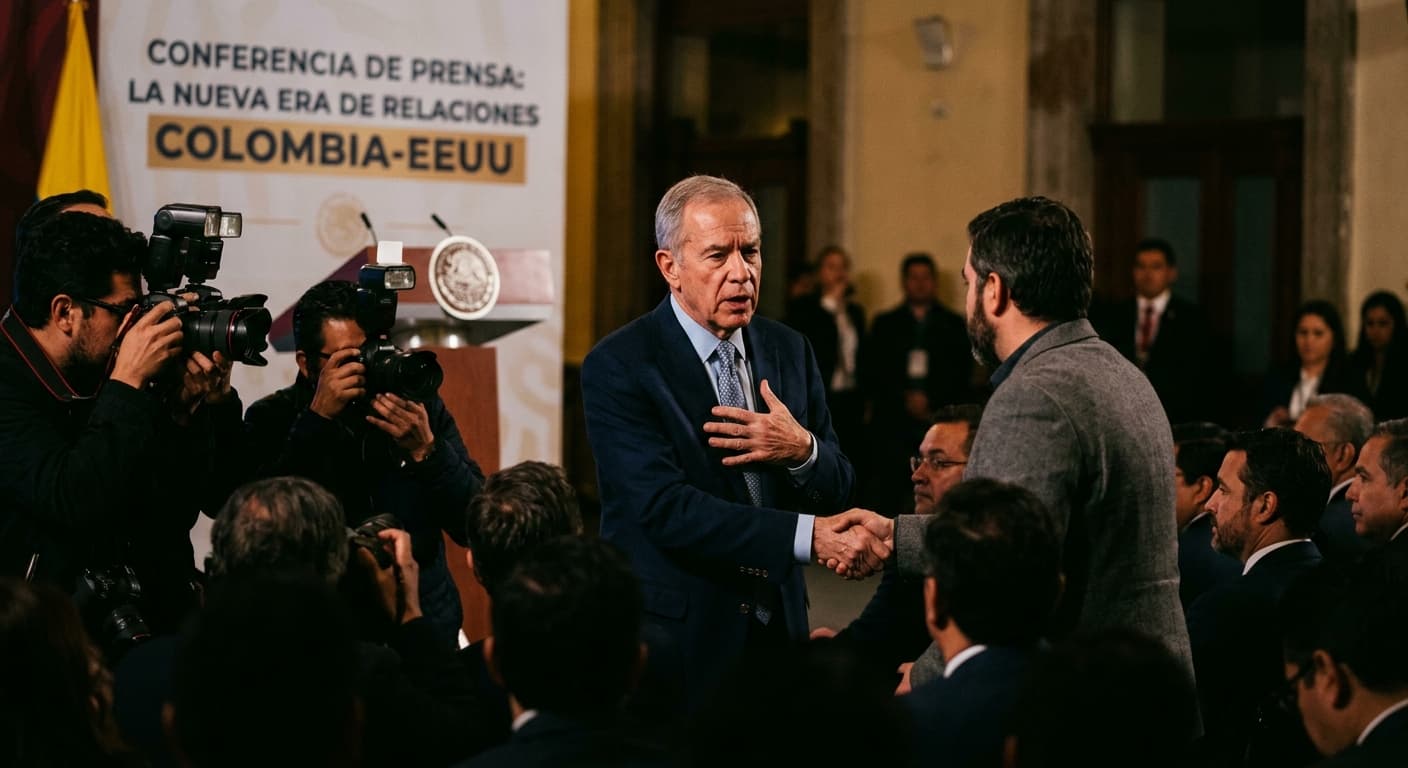
De la Espriella's Razor Win Resets US-Colomb
De la Espriella's razor-thin election win signals a reset in US-Colombia relations, reshaping security ties and the agenda under a Trump-aligned approach.
International Relations
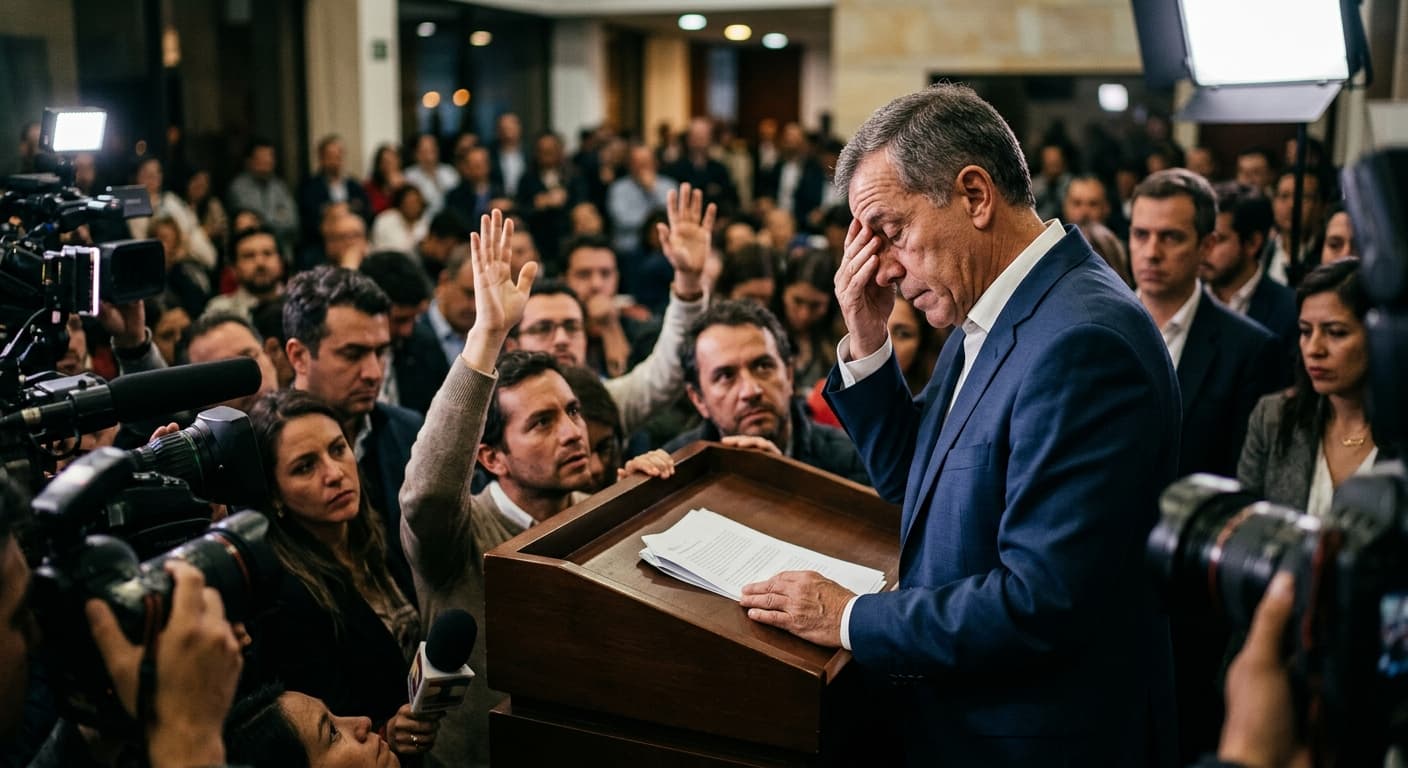
Colombia's Razor-Thin Rightward Pivot
Colombia swings right as Abelardo de la Espriella narrowly wins the presidential runoff by under one percent, exposing a deeply divided and polarized nation.
Global Politics
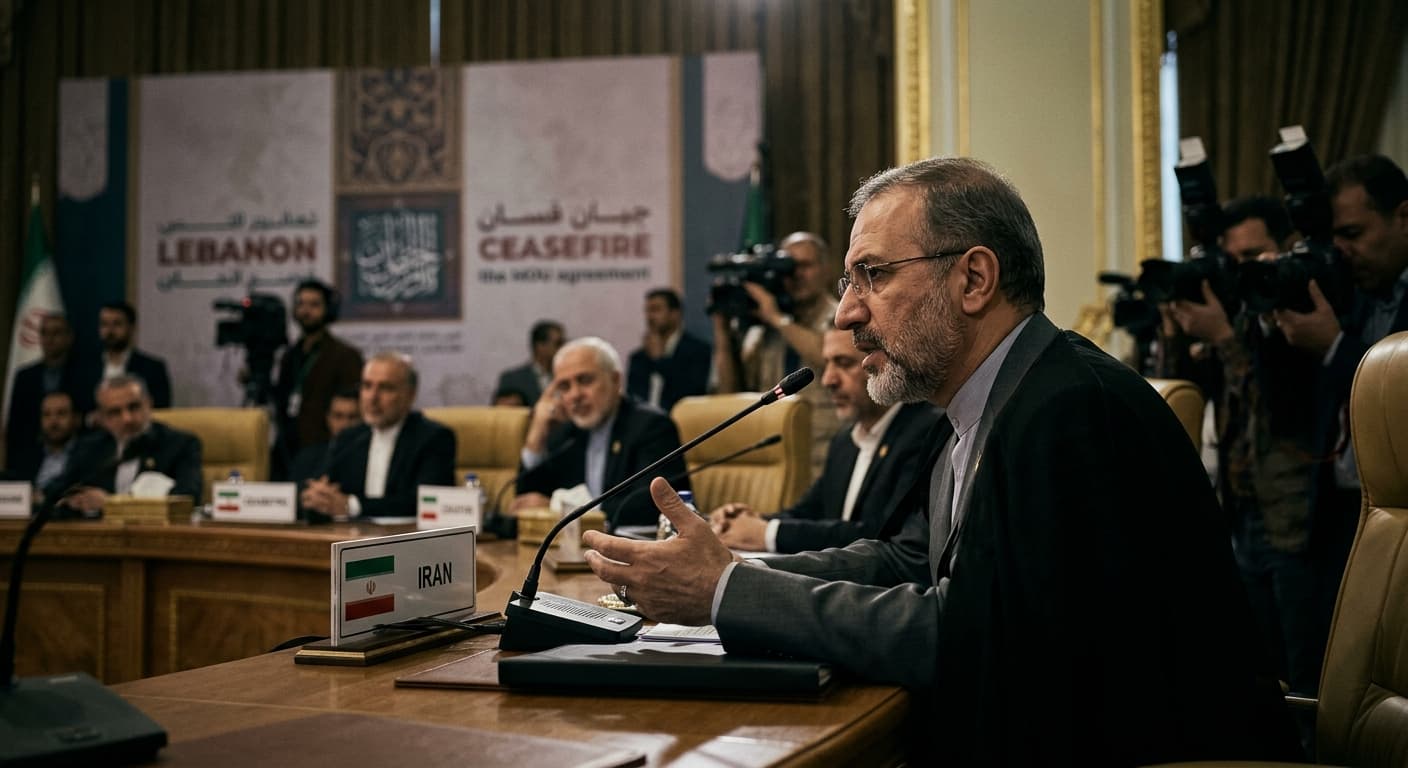
Iran Demands US Enforce Ceasefire
Iran insists the United States must enforce a ceasefire in Lebanon to uphold the memorandum of understanding, raising pressure on Washington and Netanyahu.

Conflict & Security
Trump's Iran Deal Faces Bipartisan Backlash
Trump's Iran deal draws fierce criticism from both Republicans and Democrats, exposing deep political divides over the ceasefire and the terms of the agreement.