House Restores TPS for Haitian Immigrants
Bipartisan vote challenges Trump's immigration policies
Model Diplomat2 min readUnited States

House Votes to Restore Protections for Haitian Immigrants, Defying Trump
Bipartisan House vote restores Temporary Protected Status for 350,000 Haitians, challenging Trump’s harsh immigration stance and highlighting fissures within GOP.
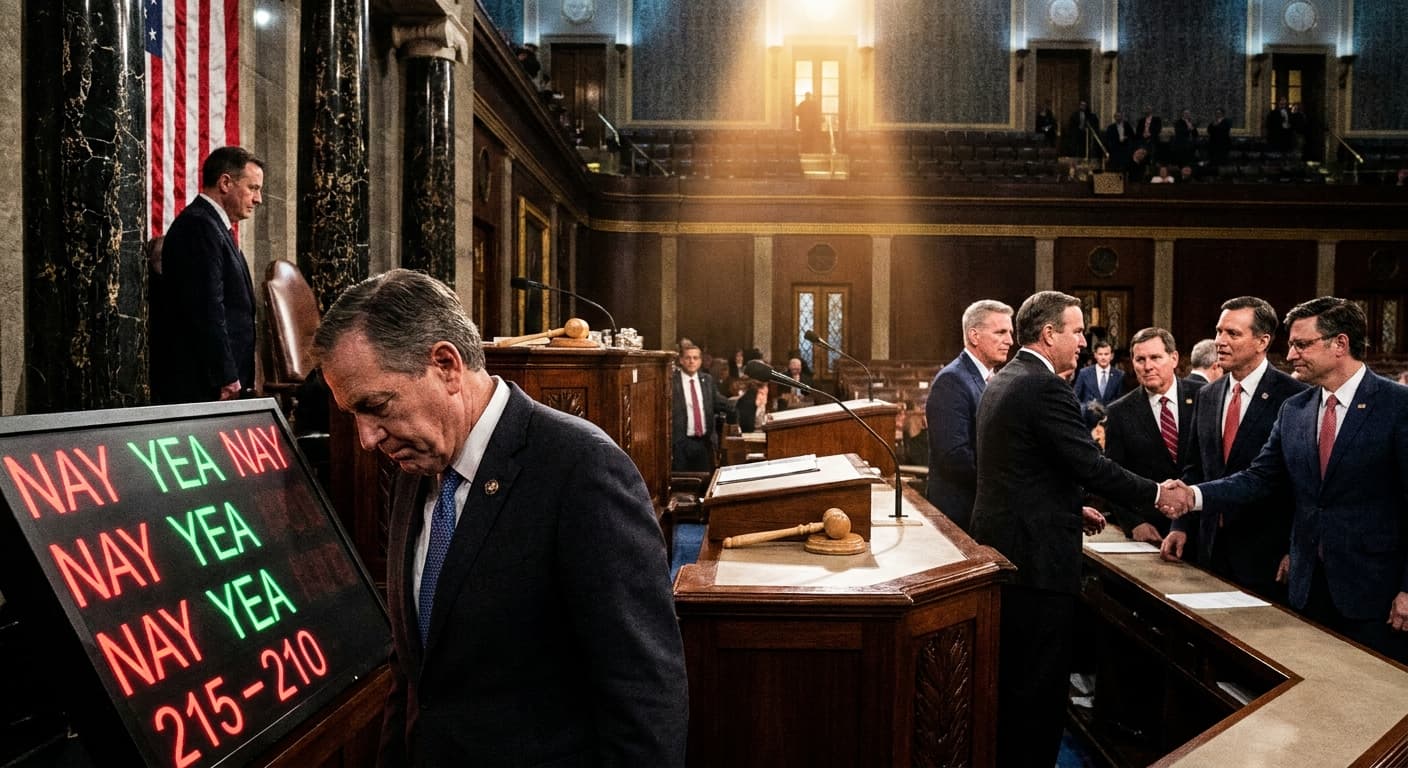
On April 16, 2026, the U.S. House of Representatives voted to restore Temporary Protected Status (TPS) for approximately 350,000 Haitians residing in the United States, pushing back against President Trump's continued efforts to end these protections. This bipartisan move, with several Republicans breaking ranks to join Democrats, marks a rare display of legislative defiance against the administration’s hardline immigration policies.
Why This Matters
TPS has shielded Haitians and other vulnerable immigrants from deportation following natural disasters and political instability in their home countries. The program, renewed regularly by prior administrations, was targeted by Trump as part of a broader crackdown on immigration he framed around border security and "law and order."
That the House voted to restore TPS signals growing congressional unease with the administration’s approach, especially when it involves humanitarian considerations. Haitians were granted TPS after the devastating 2010 earthquake and subsequent crises, including political turmoil in recent years. Without it, these immigrants risk losing legal status, potentially fracturing communities integral to U.S. cities, particularly in Florida and New York.
The vote also exposes fractures within the Republican Party. Some House Republicans sided with Democrats, reflecting concern over the political and moral implications of rescinding protections from a group facing clear humanitarian need. This bipartisan coalition suggests wariness among GOP lawmakers about the political cost of strict immigration positions ahead of the November midterms.
At the same time, this defiance complicates President Trump’s agenda, where he has repeatedly prioritized immigration restrictions. It echoes earlier moments when Congress pushed back on executive actions perceived as too punitive or lacking empathy, emphasizing the limits of unilateral White House immigration policy.
What to Watch Next
The Senate’s reaction will be crucial. If the Senate, controlled by Republicans but facing internal divisions, takes up the bill, the administration could face a legislative showdown. Should the Senate pass it, President Trump would be pressured either to accept the restored protections or veto the measure, setting up a potential vote to override.
Another key aspect is the judicial landscape: previous Trump attempts to end TPS for Haitians faced court battles and injunctions. This congressional move further bolsters legal arguments about the program’s necessity under continuing conditions in Haiti.
Finally, this episode underscores a broader question about U.S. immigration policy—how to balance national security concerns with commitments to humanitarian protection. It also signals that immigration will remain a flashpoint in U.S. politics well into 2026.
For deeper context on these tensions and the broader immigration landscape, see our U.S. Politics and
International Relations pages.
House Votes to Restore Temporary Protected Status for Haitians
Discover more
Global Politics
House Rejects Iran War Powers Resolution
The House narrowly rejected a resolution to limit Trump's war powers in Iran, deepening political divides over the scope of U.S. military involvement abroad.
Global Politics
GOP Impeaches Mayorkas Over Immigration Fail
House Republicans push to impeach Secretary Mayorkas over alleged immigration enforcement failures, deepening partisan divides in a bitter border-policy fight.

US Politics
Democrats Aim to Curb Trump's Iran War Powers
US Democrats introduce measures to curb Trump's war powers on Iran, demanding congressional approval for military action in a critical test of oversight.

Economics
Fed's Amex AML order puts correspondent banking on notice
Federal Reserve's Amex AML order requires board-level controls and a 90-day plan; OCC fined the bank $350 million over enterprise-wide deficiencies.