Indian Government Braces for Defeat on Women's Quota Bill — What’s Next?
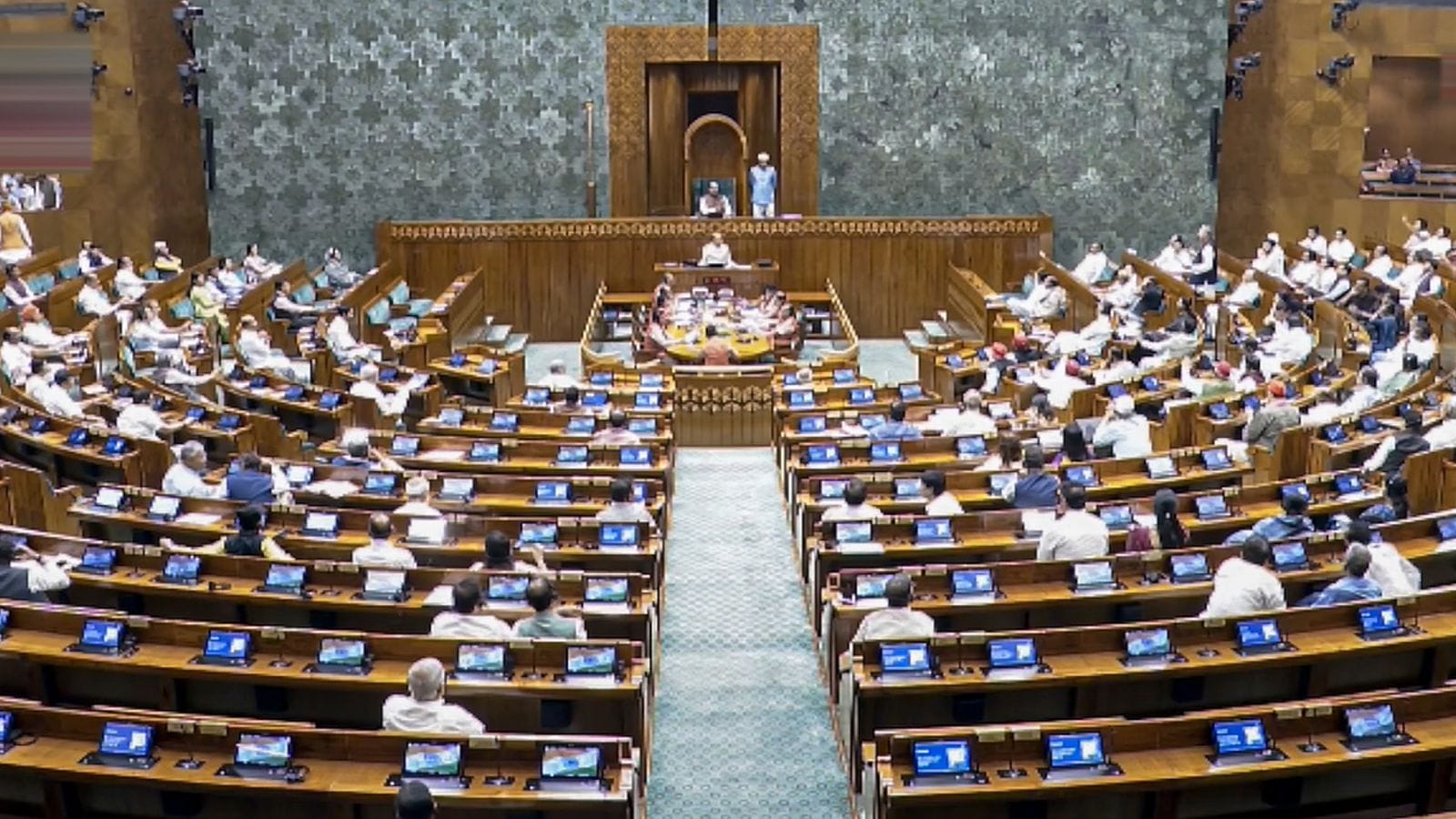
The BJP-led government in India faces likely defeat on three key bills to implement women’s reservation in the Lok Sabha and constituency delimitation, revealing a rare political setback ahead.
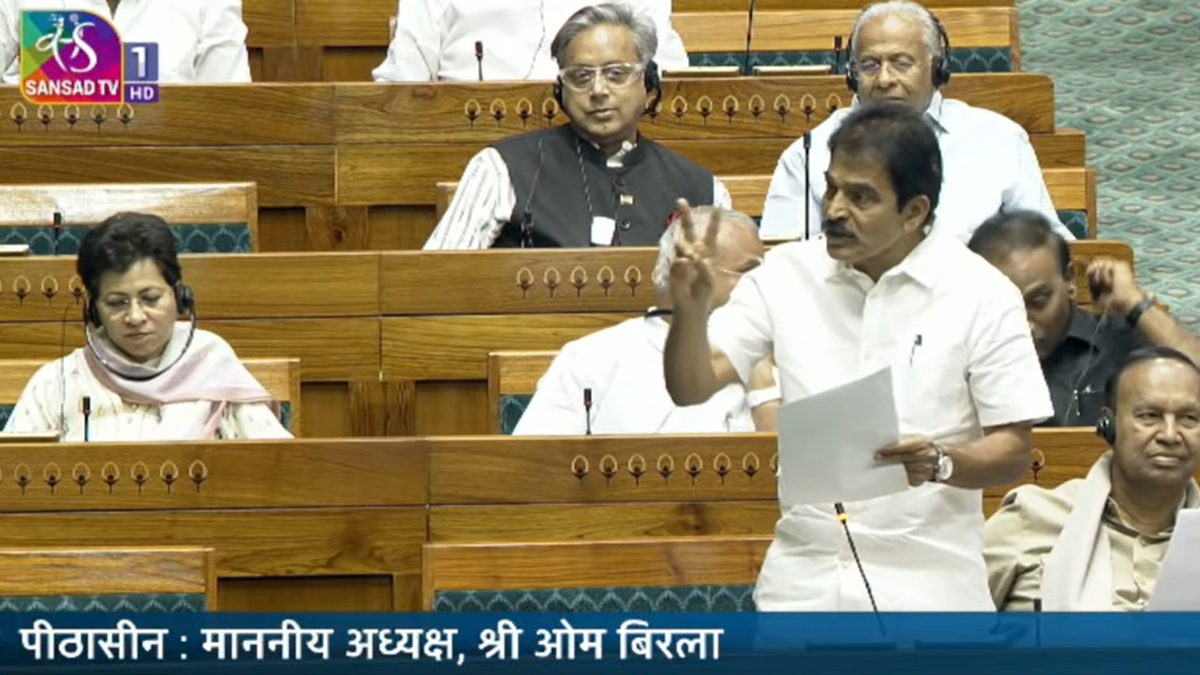
The Narendra Modi-led National Democratic Alliance (NDA) appears set to lose three constitutional amendment bills in Parliament that aim to operationalize a long-pending women’s reservation law and related delimitation adjustments in the Lok Sabha. Internal BJP discussions acknowledge the numbers are stacked against them, prompting the government to consider allowing the bills’ defeat in a calculated move to shift political blame elsewhere.
Why This Matters: The Women’s Reservation Bill and Its Political Weight
The core bill in question seeks to reserve 33% of seats in India’s Lok Sabha (House of the People) for women—a landmark reform to enhance female representation in the world’s largest democracy. Though passed in principle decades ago, its operationalization has repeatedly stalled due to political complexities, especially because delimiting constituencies to accommodate quotas triggers concerns over electoral advantages.
The NDA’s struggle to get these bills passed highlights fissures even within its allied ranks and opposition resistance that has turned this into a high-stakes political wager. Women’s reservations cut across party lines, but the devil is in the delimitation details, which impact the electoral math of specific constituencies. The BJP, despite its legislative dominance, looks caught between pushing a progressive agenda and managing coalition dissent.
Internal talks reportedly suggest a strategic acceptance of defeat, aiming to preserve political capital and later revisit the reforms with broader consensus or under different political circumstances. This candid acceptance is unusual for a government with a strong parliamentary majority and signals the growing complexity of gender-based electoral reforms in India.
Political and Social Ripples
The defeat of these bills would be more than procedural stasis. It would delay a historic opportunity to embed women’s issues more firmly in national politics and could dampen momentum within India’s broader gender equality movement. Additionally, opposition parties that have ambiguously supported the idea of women’s reservation might be viewed as obstructing progress when elections approach, potentially influencing voter perceptions.
For the BJP, traditionally projecting itself as a reform-oriented party championing national development, this setback exposes limits to its legislative reach when politically sensitive reforms are involved. It also opens the door for regional parties to capitalize on the government’s hesitation by staking claims on women’s empowerment at local levels.
What to Watch Next
India’s political map ahead will reveal if the BJP recalibrates its approach, perhaps breaking the bills into smaller legislative pieces or offering greater incentives to coalition partners. Further, the government might explore a broader public outreach to preempt backlash from civil society and women’s groups demanding accountability.
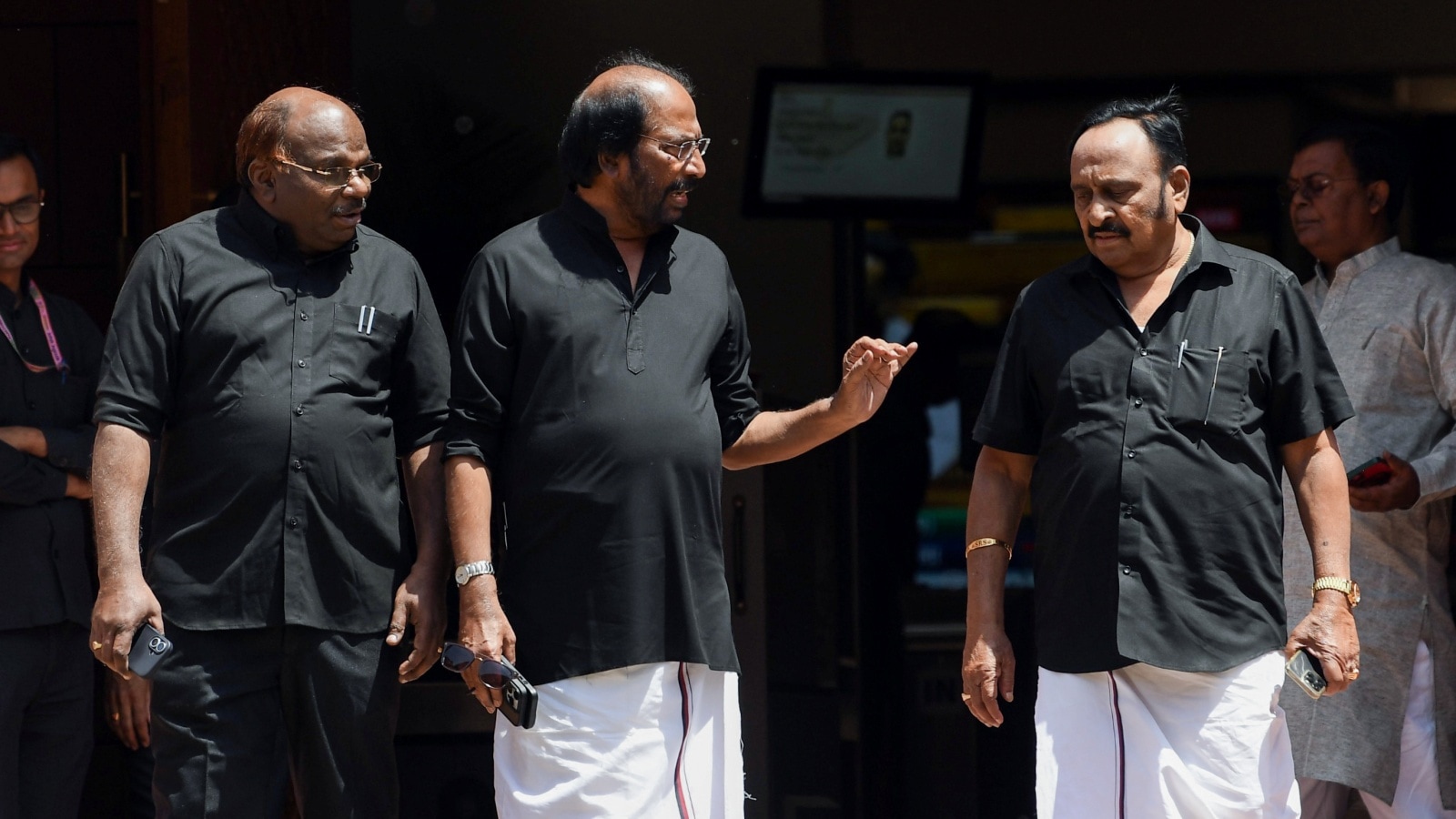
Watching the opposition’s next moves will also be critical. Some regional parties have expressed reservations about delimitation changes, meaning that negotiations are far from over. The central question is how and when the government will reintroduce the women’s reservation agenda without alienating key allies.
This episode underlines the challenges of implementing structural reforms in India’s fractious and dynamic parliamentary environment. The defeat, while a setback today, could serve as a reset enabling more inclusive dialogue—if political will aligns.
For more on the evolving political dynamics in India, see  India Political Profile. To understand the broader impact on democratic practices, visit Global Politics.
 Government braces for defeat in women's quota vote, looks to pin BJP strategy
Published April 2026, Indian Express