India Rejects Zardari's Mosque Comments
MEA calls Pakistan President's remarks absurd and political.
Model Diplomat3 min readAsia
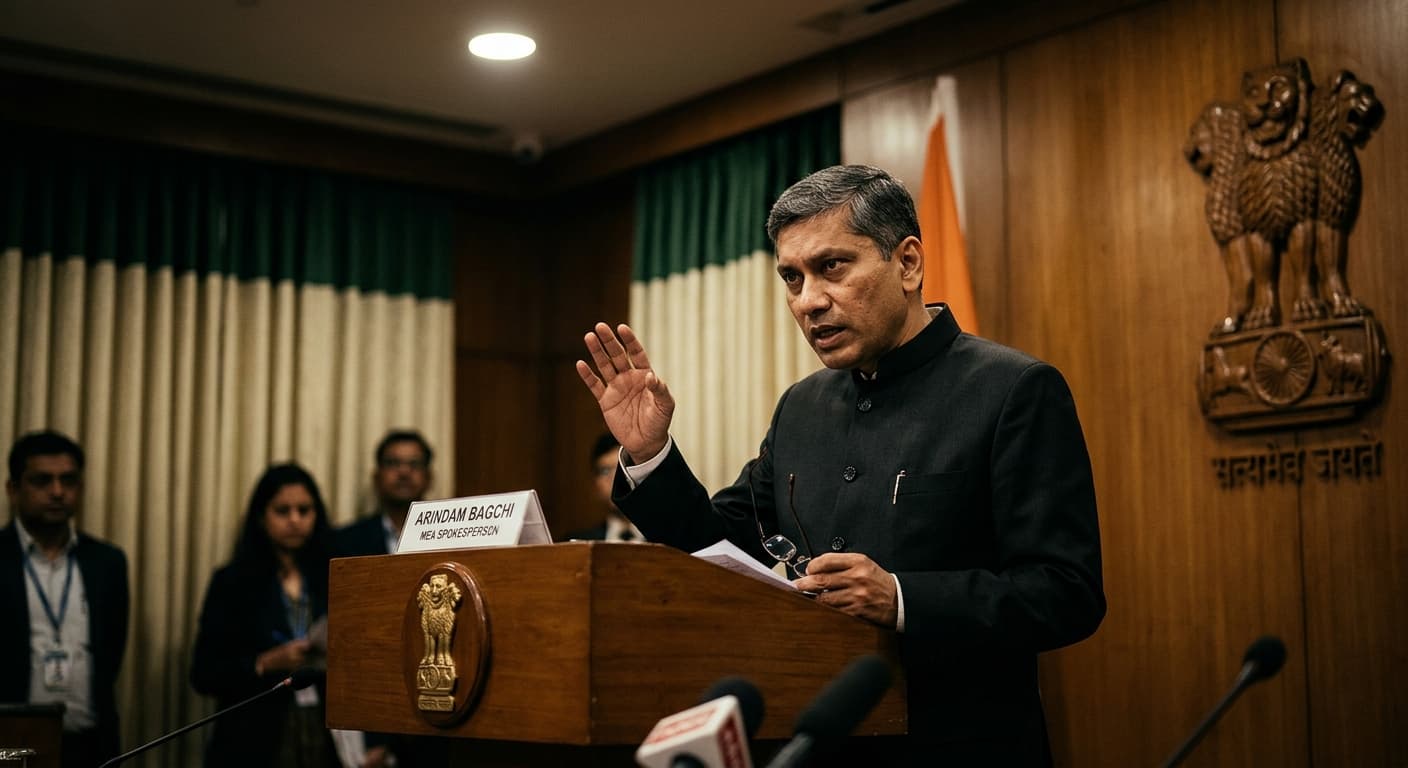
India Dismisses Zardari's Mosque Remarks as Political Theater
India's MEA rejects Pakistan President's comments on religious sites as "absurd," citing Islamabad's own human rights record in a tit-for-tat UN-era exchange.
India's Ministry of External Affairs on Saturday delivered a sharp rebuke to Pakistan President Asif Ali Zardari over his comments on the demolition of a historic mosque in Varanasi, calling the remarks "
absurd" and a "deliberate political attack." The dispute centers on a June 20 eviction notice issued by Indian Railways to occupants of the Ganj Shaheeda mosque near Kashi railway station—which Zardari claimed threatened Muslim cultural heritage in India.
MEA spokesperson Randhir Jaiswal dismissed Zardari's standing outright. "India categorically rejects the unwarranted comments made by the President of Pakistan. He has, in any case, no locus standi to comment on matters that are internal to India," Jaiswal said. The move reflects New Delhi's hardening posture: rather than answer the substance of Zardari's allegation, India is weaponizing Pakistan's own track record to shut down the conversation.
The power play here is reciprocal accusation. Zardari's remarks on June 20 came days after Indian authorities demolished the Azgaib Shaheed Mazar and an adjoining mosque within Kashi railway station under court order in a land dispute. According to Indian officials, the Railways notice is tied to station expansion and redevelopment, not religious policy. Zardari called on India to "stop such actions" and protect "minority rights and shared cultural heritage." India's response: deflect by listing Pakistan's abuses.
Jaiswal cited Pakistan's "long history of systematically targeting and victimizing minorities across various faiths"—a reference to well-documented attacks on Hindu and Ahmadi communities. The accusation is factual; what matters strategically is that India treats these as equivalencies in the diplomatic record, not admissions of concern about its own conduct.
This exchange sits within a broader war of narrative at the United Nations Human Rights Council, where India rejected what it termed "baseless and malicious allegations" from Pakistan on Friday, while dismissing OIC references to Jammu and Kashmir as propaganda designed to "mask Pakistan's domestic failures and support for terrorism." India's UN representative, Anupama Singh, went further, calling Pakistan
a "Frankenstein state" that pursued terrorism as policy while claiming victimhood. The rhythm is clear: Pakistan raises human rights concerns; India counters with accusations of state terrorism and minority persecution; neither addresses the original claim.
Why This Matters
Both capitals are using multilateral forums and presidential statements as cudgels in a stalled bilateral relationship. Zardari's comments on a railway eviction notice—a domestic administrative matter by any measure—became fair game for international complaint because India-Pakistan relations have no floor. Neither side recognizes the other's sovereignty over internal affairs; both assume the worst about the other's intentions. India's response shows no interest in addressing grievances on their merits. Instead, the MEA strategy is to make the cost of criticism prohibitively high by inverting the accusation.
What to Watch
The trajectory runs through the Human Rights Council's ongoing 62nd session. India has signaled it will fight every reference to J&K and religious minorities via deflection and counter-accusation. Pakistan is unlikely to back down. Neither has leverage to compel the other to change behavior; both have leverage in multilateral opinion. If past patterns hold, this escalates into competing motions, statements of solidarity from allied blocs, and no movement on either side's underlying human rights claims.
Discover more
India
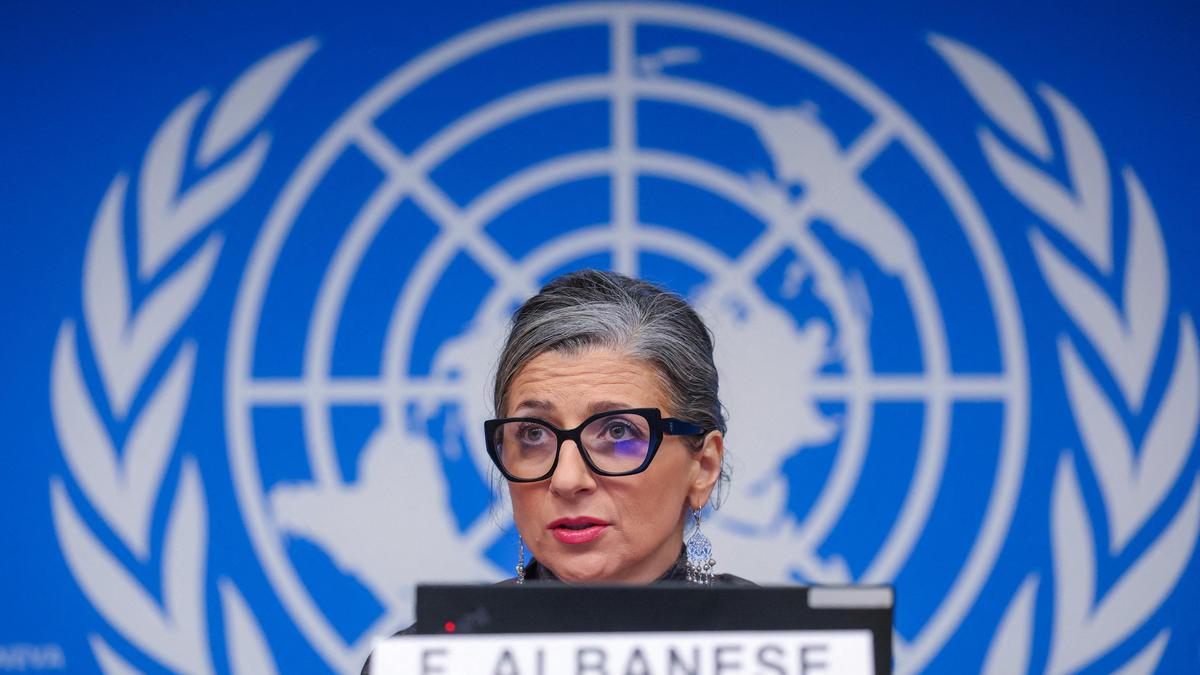
UN Expert Albanese: India Violates Law
UN Rapporteur Francesca Albanese accuses India of breaching international law, spotlighting human rights concerns in Kashmir and prompting diplomatic pushback.

India
Delhi CM Rekha Gupta Blasts Opposition's Delm
Delhi CM Rekha Gupta's remarks on women's quota defeat reveal BJP's strategy for the 2029 Lok Sabha elections, focusing on delimitation.
India
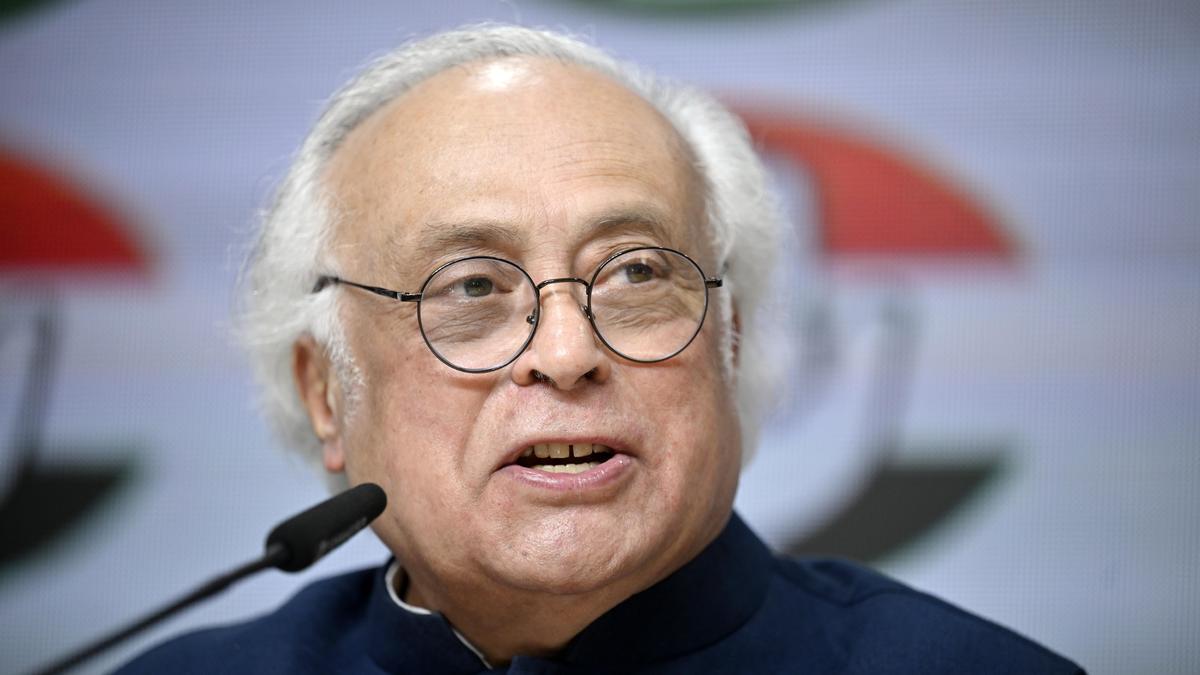
Congress Accuses Modi of Stalling Women's Law
Congress accuses Modi of stalling women's reservation law by linking it to delimitation, revealing a deeper electoral strategy.

Conflict & Security
Drone Warfare Killing Aid Workers at Unprec
Over 1,000 humanitarian workers killed in three years as cheap armed drones collapse legal protections. Gaza, Sudan, Ukraine, and DRC see deliberate targeting of aid convoys and hospitals with zero prosecutions.