India Rebukes Pakistan at UNSC on Kashmir
India's envoy criticizes Pakistan's Kashmir remarks at UN forum
Model Diplomat3 min readAsia

India Uses UNSC Stage to Rebuke Pakistan's Kashmir Gambit
Pakistan invokes Kashmir at UN Security Council forum; India's envoy accuses co-chair of politicizing neutral platform
India's UN envoy delivered a sharp rebuke to Pakistan on June 23, 2026, after Islamabad used its role as co-chair of an informal Security Council meeting to raise the Kashmir issue—a move India's Permanent Representative called "incredible" betrayal of neutrality. Ambassador Parvathaneni Harish told the forum that Pakistan, in its capacity as a non-permanent UNSC member, had weaponized a procedural advantage to inject a bilateral dispute into an intentionally neutral space.
The meeting—formally titled "Bridging the Implementation Gap: Security Council Resolutions and the Maintenance of International Peace and Security"—was convened by the Permanent Missions of Pakistan and China. The venue, ironically, put pressure on India to respond publicly to what it considers a domestic matter. Pakistan's Permanent Representative, Asim Iftikhar Ahmad, raised Kashmir directly during the session, forcing India's hand. Harish's response was unambiguous: "The Union Territory of Jammu and Kashmir is a matter strictly internal to India. It has always been, is, and will remain so."
The episode exposes Pakistan's tactical playbook around its UNSC seat. Islamabad currently holds a non-permanent position for 2025 and 2026—a two-year term that grants procedural leverage but not blocking power. Arria-formula meetings, named after a Venezuelan diplomat's 1992 innovation, are explicitly informal and confidence-building; they operate on the assumption of good faith from conveners. By curating the agenda and language, a co-chair can set the frame for discussion without formal amendments. Pakistan's move tests whether it can leverage procedural flexibility to legitimize Kashmir as a multilateral security question—a premise New Delhi categorically rejects.
India's counter-move was precise: Harish did not deny Pakistan the platform but used it to isolate Islamabad's framing. He took several structural arguments and made them concrete. First, he attacked Pakistan's claim to neutrality as co-chair—a direct personal rebuke to Ahmad. Second, he flagged that outdated Security Council mandates on Kashmir (dating to 1948–1965) lack contemporary relevance and should undergo "review in accordance with changing circumstances and contexts." This is India's long-standing argument that decades-old resolutions should not shackle current geopolitics.
Pakistan gains procedural visibility but no substantive movement. New Delhi has spent decades entrenching the position that Kashmir is non-negotiable bilaterally and closed to multilateral mediation. The UNSC has never imposed binding obligations on India over Kashmir; India's veto-wielding allies (Russia, China) would block any escalation. Pakistan's annual recitation of grievances at the UN serves domestic political needs—to signal activism to its base—but has never shifted international law or practice. This session repeated that pattern: India objected, made its legal position clear, and moved on.
The real test comes next: whether Pakistan will double down or recalibrate. China's willingness to co-host suggests Beijing sees marginal value in keeping the Kashmir file formally alive in UN spaces, even without enforcement power. India, for its part, confirmed it will contest such moves publicly and unapologetically, treating them not as legitimate mediation but as bilateral aggression masquerading as procedure.
Discover more
India
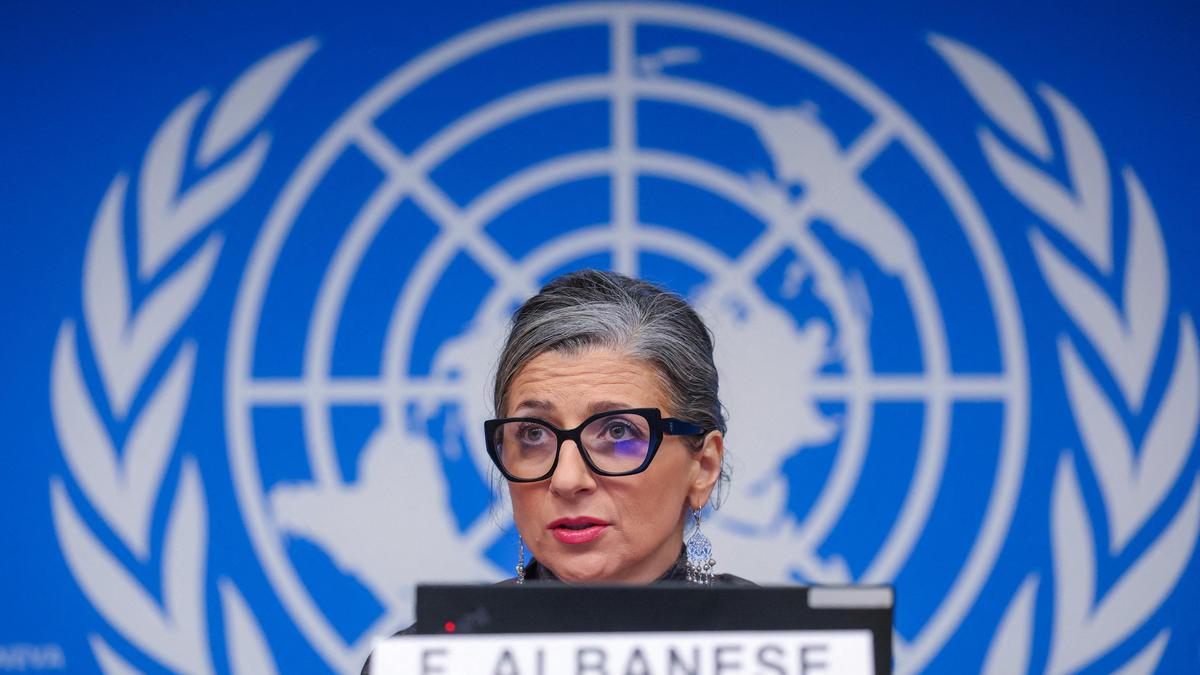
UN Expert Albanese: India Violates Law
UN Rapporteur Francesca Albanese accuses India of breaching international law, spotlighting human rights concerns in Kashmir and prompting diplomatic pushback.

India
Delhi CM Rekha Gupta Blasts Opposition's Delm
Delhi CM Rekha Gupta's remarks on women's quota defeat reveal BJP's strategy for the 2029 Lok Sabha elections, focusing on delimitation.
India
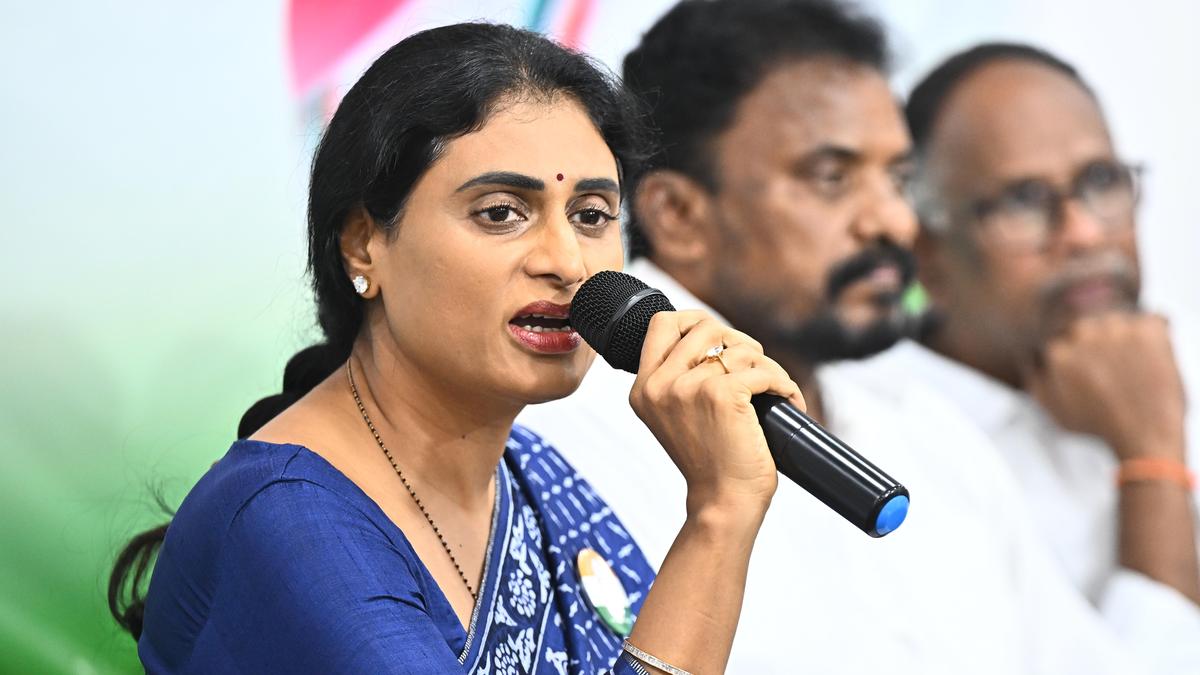
Congress Advocates 33% Women’s Quota
Congress calls for a 33% women's reservation in the existing 543 Lok Sabha seats, countering Modi's plan to expand the house to 850 seats.

Conflict & Security
Drone Warfare Killing Aid Workers at Unprec
Over 1,000 humanitarian workers killed in three years as cheap armed drones collapse legal protections. Gaza, Sudan, Ukraine, and DRC see deliberate targeting of aid convoys and hospitals with zero prosecutions.