Imad Mughniyeh
Exploring the legacy of Imad Mughniyeh in modern militancy
Model Diplomat3 min readMiddle East
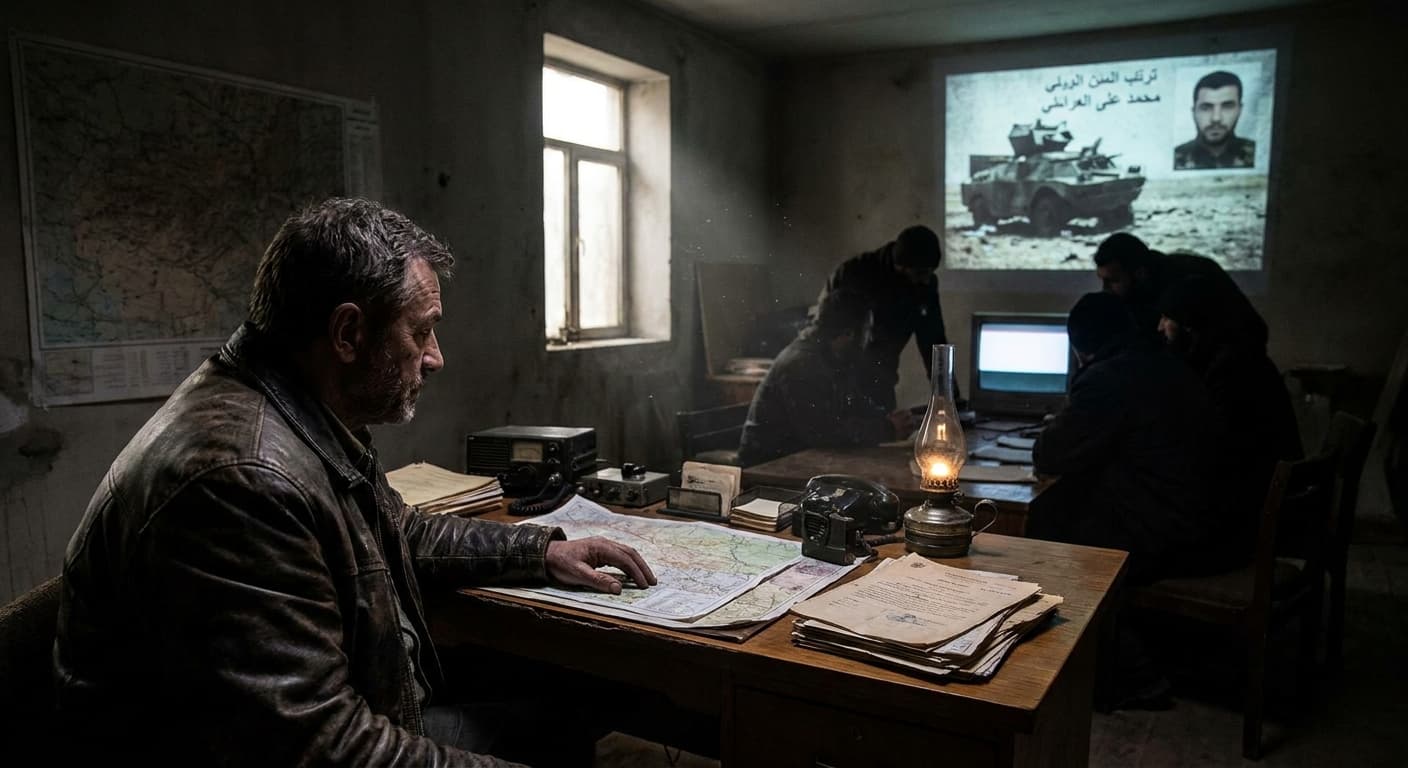
Assassination That Took 20 Years: How Imad Mughniyeh Redefined Guerrilla Warfare
Imad Mughniyeh shaped militant tactics decades before bin Laden, and his decades-long hunt reveals the complexity of modern intelligence wars.
Imad Mughniyeh, a central figure in Hezbollah’s rise and an architect of early modern terror tactics, evaded capture or death for nearly 20 years before an Israeli assassination in 2008. While figures like Osama bin Laden dominate narratives on terrorism, Mughniyeh’s story reveals the deeper roots and shadowy complexity of militant warfare that predate al-Qaeda’s rise.
A Precursor to Modern Militancy
Mughniyeh was not merely a foot soldier; he was a strategist whose innovations shaped guerrilla and terrorist tactics in the late 20th century. Operating in the 1980s and 1990s, he pioneered attacks that combined political messaging, asymmetrical warfare, and intelligence evasion, influencing groups well beyond Hezbollah. His tactics involved car bombings, hijackings, and coordinated ambushes designed to destabilize enemies—techniques later seen in global jihadist networks.
Before Osama bin Laden’s emergence, Mughniyeh was already a significant target of international intelligence agencies, notably the CIA and Mossad, illustrating his global impact on security calculations. His ability to slip through layers of surveillance made him a ghost in the militant world, emblematic of how deeply embedded Hezbollah was becoming in Lebanon’s—and the region’s—political and military fabric.
Why It Took Two Decades
The effort to remove Mughniyeh highlights the intensifying cross-border spy wars that characterized the late Cold War and post-Cold War Middle East. The United States and Israel viewed eliminating him as crucial to curbing Hezbollah’s expanding menace. Yet operational challenges abounded: Hezbollah’s deep integration into civilian populations, robust counterintelligence, and Iranian backing created a formidable shield.
Throughout these years, missed chances and thwarted operations underlined the limits of conventional intelligence in confronting non-state actors embedded in complex environments. The painstaking death hunt culminated only in 2008 when Mossad and the CIA jointly executed a car bombing in Damascus. This event exemplifies the rare instances when cooperation among intelligence agencies achieves a high-profile kill, a stark contrast to the often-fractious regional politics surrounding Hezbollah.
What This Means Now
Mughniyeh’s assassination did not end Hezbollah’s influence or aspirations. Instead, it underscores how militant groups adapt quickly—replacing leaders and evolving tactics under pressure. His legacy is evident in the ongoing asymmetric conflicts across the Middle East, where intelligence and military agencies face an uphill battle against decentralized, hybrid state and non-state actors.
For India and other nations monitoring regional security, Mughniyeh’s story is a cautionary tale about the protracted, often ambiguous nature of modern terrorism and guerrilla warfare. It illustrates that strategic patience combined with high-stakes covert operations sometimes becomes necessary to address deeply entrenched threats.
As Hezbollah strengthens political ties and military capabilities amid Lebanon’s continuing crises, understanding Mughniyeh’s impact helps illuminate why dismantling such groups is never quick or clean. The prolonged hunt it took to eliminate one man speaks volumes about the resilience and complexity of militant networks that continue to shape global security challenges.
For more on the evolving dynamics of international conflict and militant groups, see our Global Politics overview and the
Middle East conflict briefs.
Source: NDTV - Before Osama bin Laden, there was Imad Mughniyeh
Discover more
US Politics
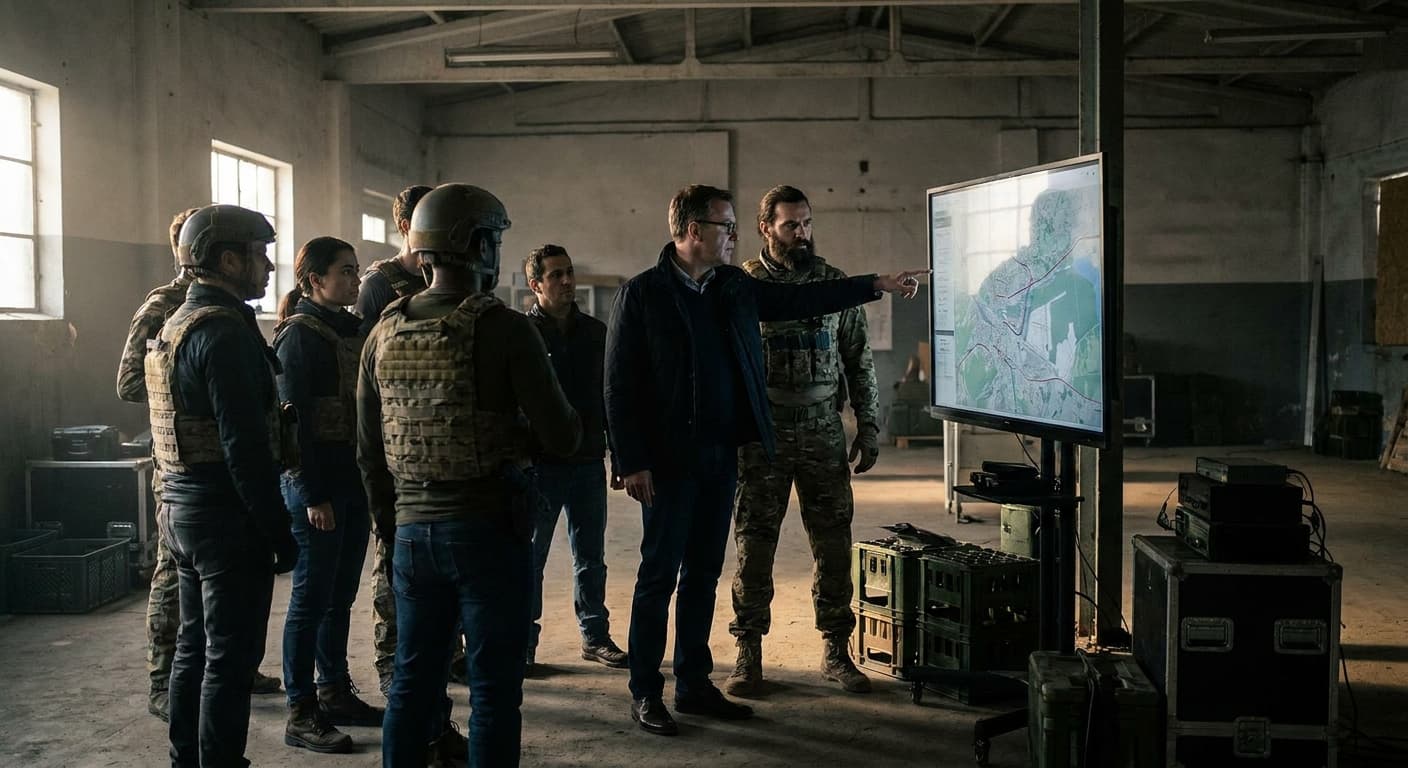
Civilian Forces Transforming Modern Warfare
Civilian figures like Ukraine's tycoon-turned-commander are reshaping modern warfare, challenging traditional military strategy and the lines of defense policy.
US Politics
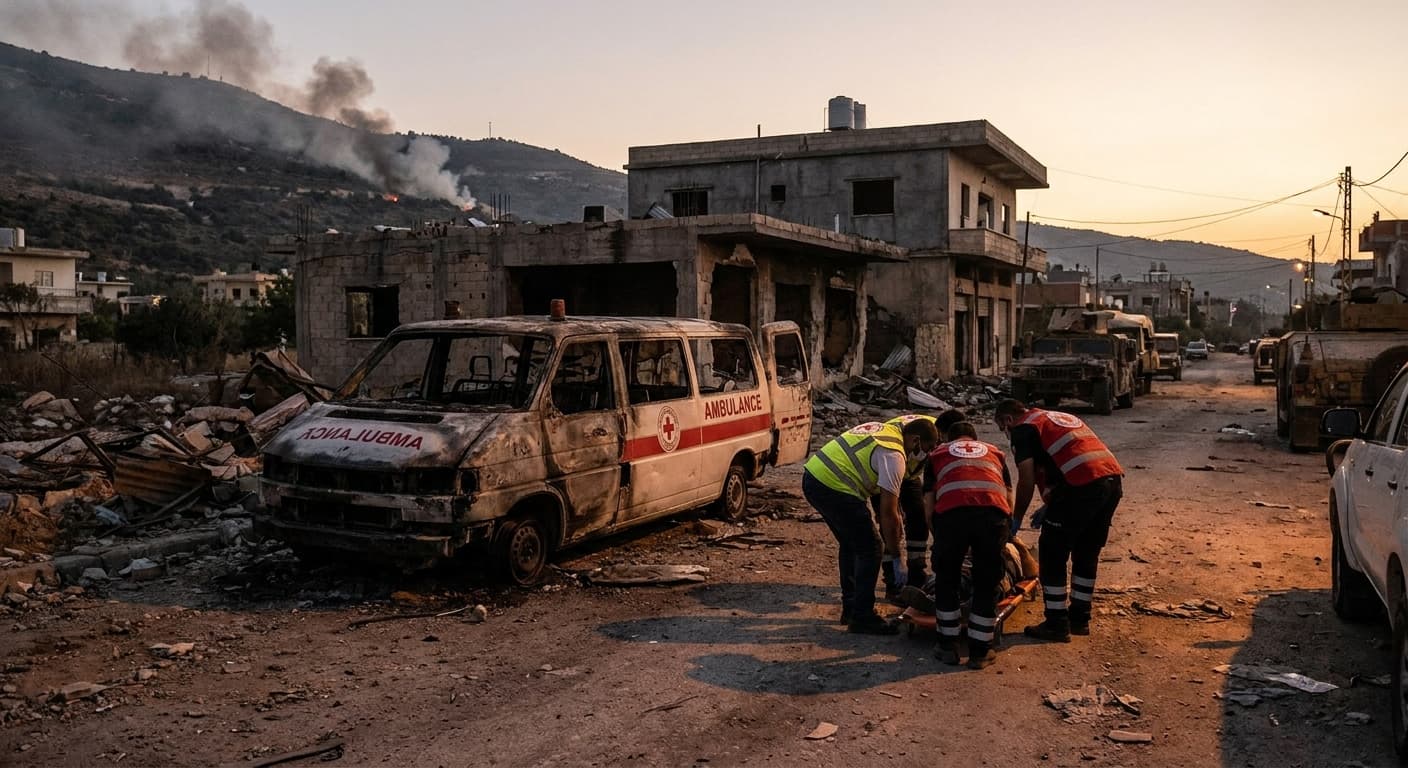
Escalating Violence
Three paramedic teams in southern Lebanon were struck by Israeli attacks, escalating violence and deepening the humanitarian crisis amid the ongoing conflict.

Global Politics
Day 47 of US-Iran Conflict
On day 47 of the US-Iran conflict, Red Cross aid reaches Iran as military strikes continue, underscoring a tangled humanitarian and geopolitical crisis.

Conflict & Security
Guatemala: El Niño 2026–27 becomes regional security test
UNICEF: 25.8M children face El Niño risks in Latin America; Guatemala maps 188 municipalities for drought and food insecurity amid regional security test.