Day 47 of US-Iran Conflict
Red Cross delivers aid amid ongoing US-Iran tensions
Model Diplomat3 min readMiddle East

Iran war: What is happening on day 47 of the US-Iran conflict?
Red Cross aid enters Iran for first time amid ongoing military strikes and diplomatic deadlock.
On day 47 of the US-Iran conflict, fresh humanitarian aid reached Iranian territory for the first time since hostilities began—delivered by the Red Cross and Red Crescent. This breakthrough is set against continued US-led airstrikes on Iranian military sites and infrastructure, persistent diplomatic stalemates, and mounting political and economic pressure on Tehran.
Humanitarian cracks in the conflict's facade
The delivery of medical supplies by the Red Cross into Iran marks a notable shift in the conflict’s dynamics. Until now, Iran has been largely sealed off from international humanitarian channels due to the war and US sanctions. This aid hints at tacit recognition—even by the US and its allies—that civilian populations are experiencing severe medical shortages and that outright isolation is unsustainable.
Humanitarian access often precedes or accompanies diplomatic engagement in prolonged conflicts. While no formal negotiations have been announced, the aid shipment suggests indirect communication channels remain open. The Red Cross’s involvement could offer a neutral corridor that allows for broader confidence-building measures. It may also signal international pressure, especially from the UN and neutral states, to limit civilian harm and prevent the conflict from escalating into a full regional war.
Continued military pressure and economic warfare
Despite the humanitarian opening, military strikes against Iranian facilities continue unabated. The US-led coalition has reportedly targeted several weapon depots and key infrastructure to degrade Iran’s ability to strike US allies and supply proxy groups in Yemen and Iraq.
Simultaneously, economic sanctions have tightened, aiming to cripple Iran’s oil exports and financial networks. These measures are designed to sap Tehran’s war capacity but risk further inflaming nationalist sentiment inside Iran, consolidating local support for the government in the face of external pressure.
This dual approach—combining force and economic strangulation—reflects a US strategy calibrated to weaken Iran’s operational capabilities without triggering an all-out confrontation. However, it also raises the stakes for miscalculation, especially as Iran has signaled willingness to escalate attacks in response to continued pressure.
The wider geopolitical stakes and what to watch
This conflict unfolds amid a highly charged Middle East landscape, with Iran’s adversaries including not only the US but Israel and Gulf Arab states. The sustained conflict reverberates across global oil markets, energy security, and the fragile alliances within the region.
The Red Cross aid breakthrough might open a sliver of room for diplomacy. Watch for whether humanitarian channels expand into broader negotiations or ceasefires. Also, monitor Iran’s domestic response—hardliners may resist humanitarian aid if viewed as a sign of weakness, or in contrast, it could catalyze internal debates on war strategy.
On the US side, any shifts in sanctions or military posture will signal Washington’s long-term approach. Given the conflict’s duration and complexity, the evolution will shape not only Iran’s future but broader US influence and stability in the Middle East.
For more on Iran and the global political ramifications, see our Iran profile and
global politics.
Source: Al Jazeera – Iran war: What is happening on day 47 of the US-Iran conflict
Discover more

US Politics
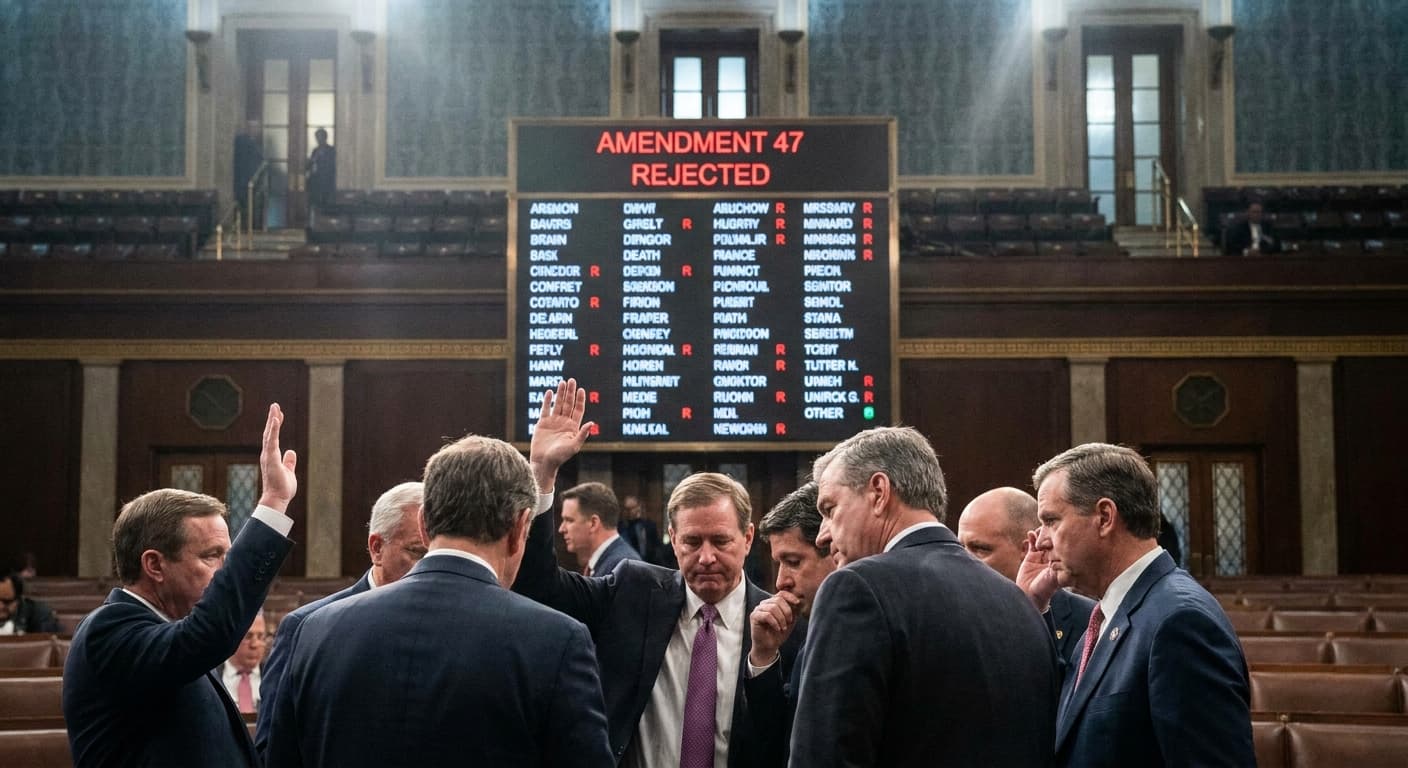
House Vote on Trump Iran Strikes Reveals Divs
The House narrowly declined to block Trump from striking Iran, a close vote that laid bare deep partisan divides over war powers and U.S. military action.
US Politics
House Rejects Resolution on Trump's Iran Host
The House voted down a resolution to limit Trump's military actions in Iran, laying bare partisan divides and reigniting debate over presidential war powers.
US Politics
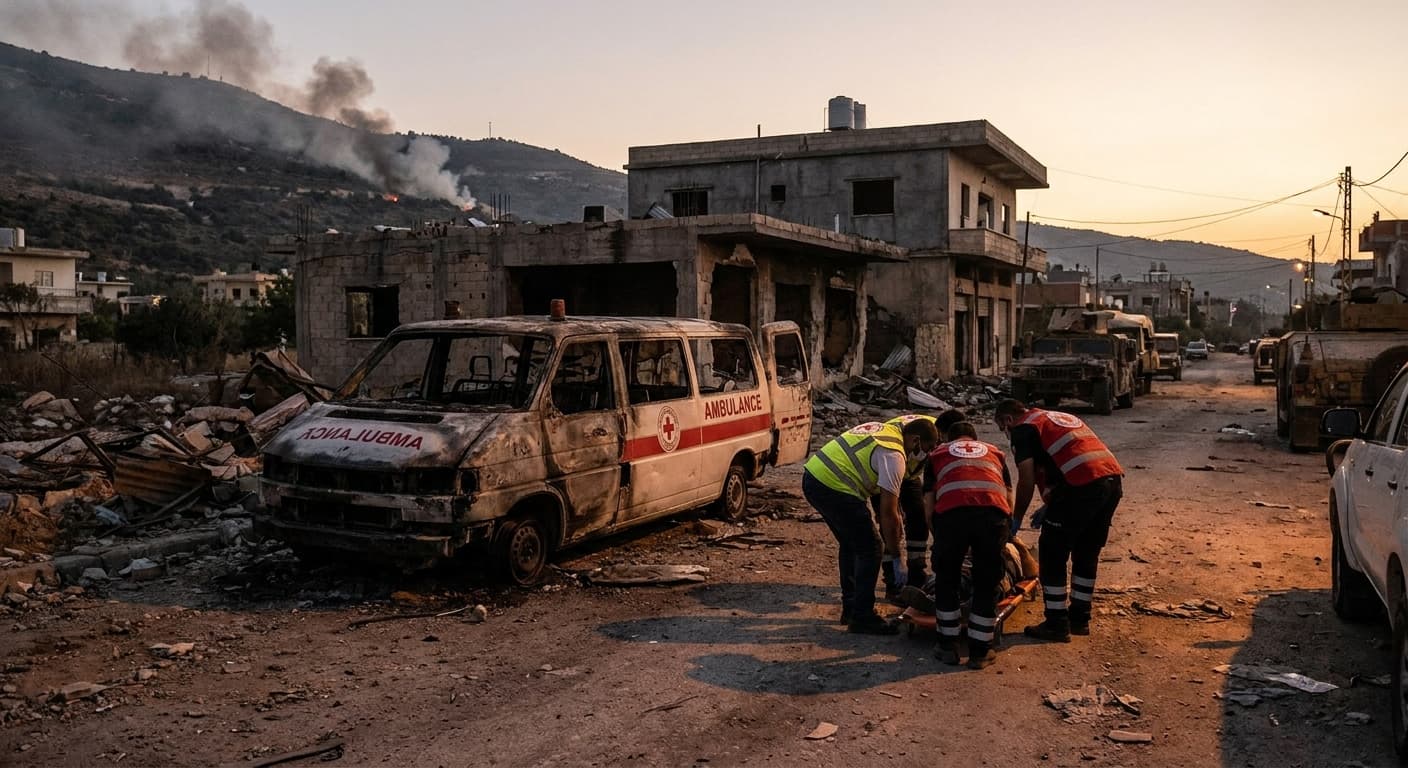
Escalating Violence
Three paramedic teams in southern Lebanon were struck by Israeli attacks, escalating violence and deepening the humanitarian crisis amid the ongoing conflict.

Economics
Fed's Amex AML order puts correspondent banking on notice
Federal Reserve's Amex AML order requires board-level controls and a 90-day plan; OCC fined the bank $350 million over enterprise-wide deficiencies.