Paris Terror Attacks
Reflecting on the lasting impact of the 2015 Paris attacks
Model Diplomat2 min readEurope
Paris Terror Attacks, 10 Years On: Why It Still Shapes Europe’s Security Outlook
France marks the 10th anniversary of the November 13, 2015, Paris attacks — a pivotal moment that reshaped Europe’s fight against terrorism and migration policy.
On November 13, 2015, coordinated terror attacks across Paris killed 130 people and injured hundreds more. These strikes not only horrified France but also sent shockwaves through Europe, instantly redefining the continent’s approach to security, intelligence cooperation, and border control. This week, France observed the somber 10th anniversary of that dark night, which remains a major reference point in global political discussions on terrorism and counterterrorism.
Terrorism as a Catalyst for Deep Security Changes
The Paris attacks were carried out by Islamic State militants who exploited Europe’s porous borders and social vulnerabilities. Their ability to coordinate strikes in packed civilian locations—concert halls, cafes, and stadiums—highlighted critical gaps in European security infrastructures. In response, France immediately stepped up domestic intelligence efforts and emergency responses, while the EU accelerated cross-border intelligence sharing and anti-radicalization programs.
Perhaps more significantly, the attacks intensified the European Union’s debates over migration and asylum policy. The militants had slipped through multiple countries’ controls, raising concerns about the security vetting of refugees in the wake of the 2015 migration surge from Syria and other conflict zones. This has driven a securitarian approach in EU policymaking ever since, intertwining immigration controls with counterterrorism measures.
Europe’s Long Shadow: From Paris to Policy Shifts
Ten years later, the legacy of November 13 extends well beyond France’s borders. Anti-terrorism cooperation between EU states has strengthened significantly, with advances in data sharing via agencies like Europol and Frontex gaining new mandates. However, these enhanced security measures have come with political and social trade-offs, including increased surveillance and the rise of right-wing political forces capitalizing on fears of terrorism and immigration.
France itself remains vigilant. The anniversary events are a reminder of ongoing threats—not hypothetical risks but active, evolving challenges. France’s state of emergency laws introduced post-2015 laid groundwork for permanent legislative changes strengthening the police and intelligence services’ reach.
What to Watch Next
Europe stands at a crossroads. The lessons from 2015 have undoubtedly hardened its response to terror but also exposed divisions over civil liberties and migration policy. As terrorism evolves—with radical groups exploiting online platforms and lone actors becoming more common—the balance between security and democratic freedoms will be tested repeatedly.
Watch for how France and the EU navigate this tightrope ahead of key elections in several member states this year. Security concerns remain electorally potent and policy impactful. Meanwhile, the ongoing situation in the Sahel and Middle East—regions tied to many terrorist networks—will continue influencing European domestic security.
This 10-year mark is more than remembrance—it’s a checkpoint on Europe’s journey to reconcile open societies with the imperative of protecting its citizens from emerging threats.
For a broader understanding of security and political dynamics in this context, see our Global Politics and
France profiles.
Discover more
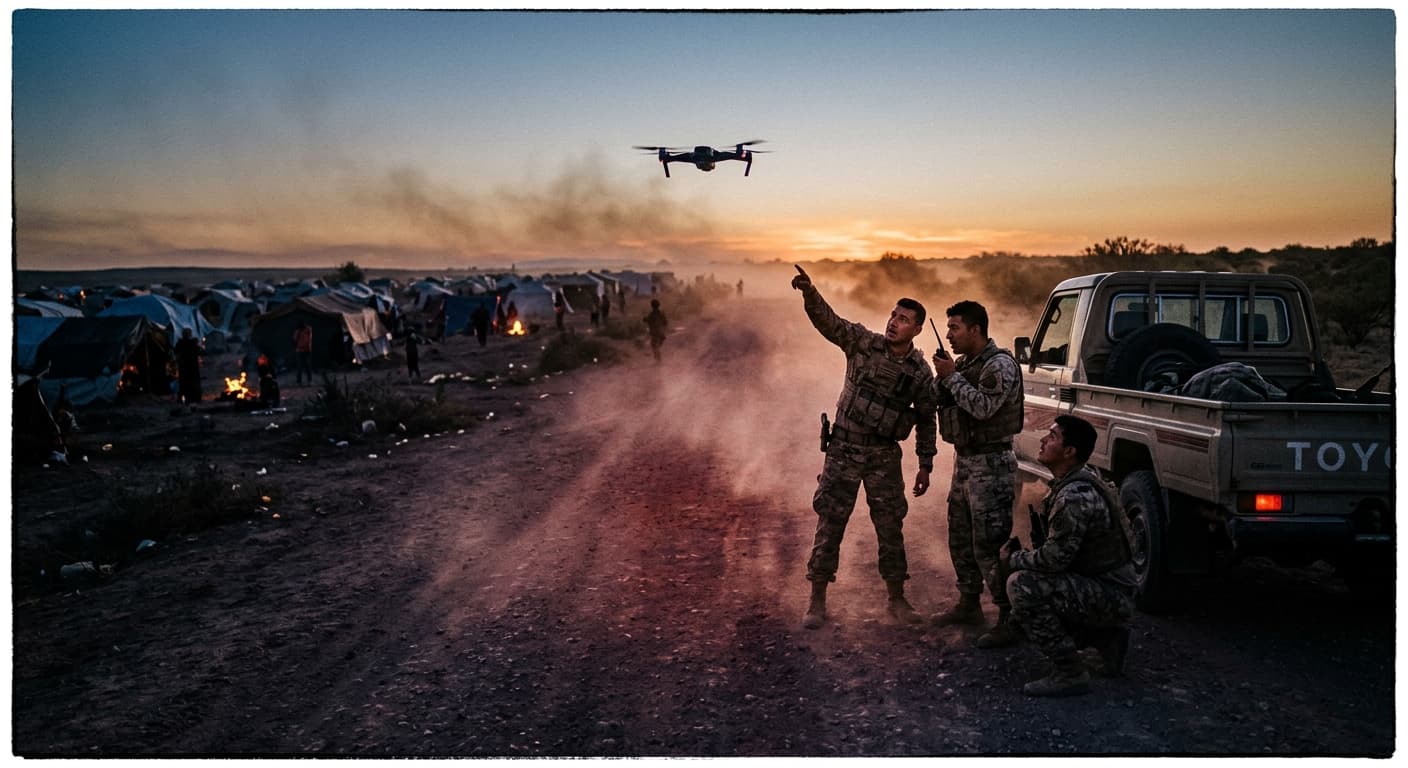
Global
UN: Sahel jihadists outgunning states
UN Security Council confirms Sahel's Al-Qaeda and ISIS affiliates now use drones and cryptocurrencies, targeting Gulf of Guinea coastal states, displacing 6.8 million people.
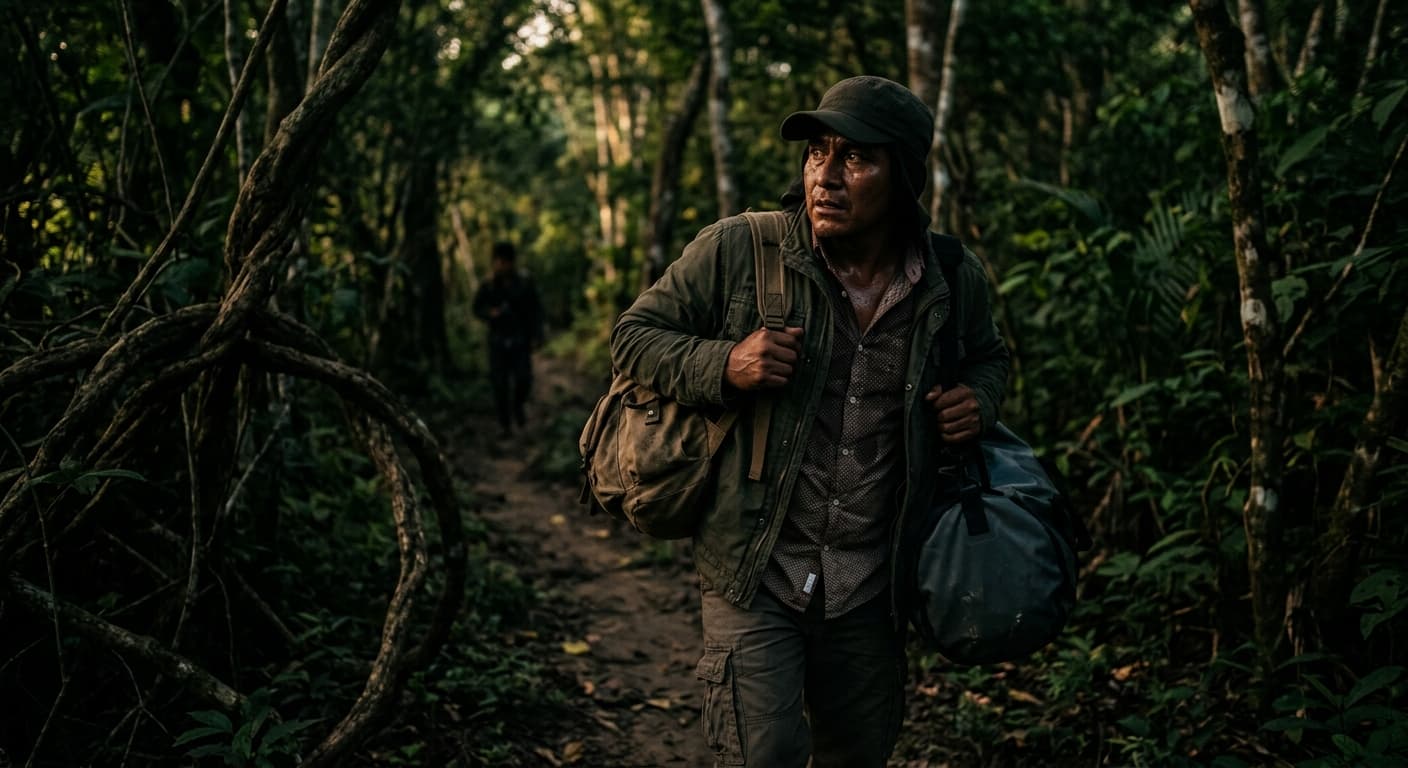
Global
Clan del Golfo Capos Flee to Panama
Colombian capos from Clan del Golfo and FARC dissidents flee to Panama after president-elect issues ultimatum, testing US-aligned Panama
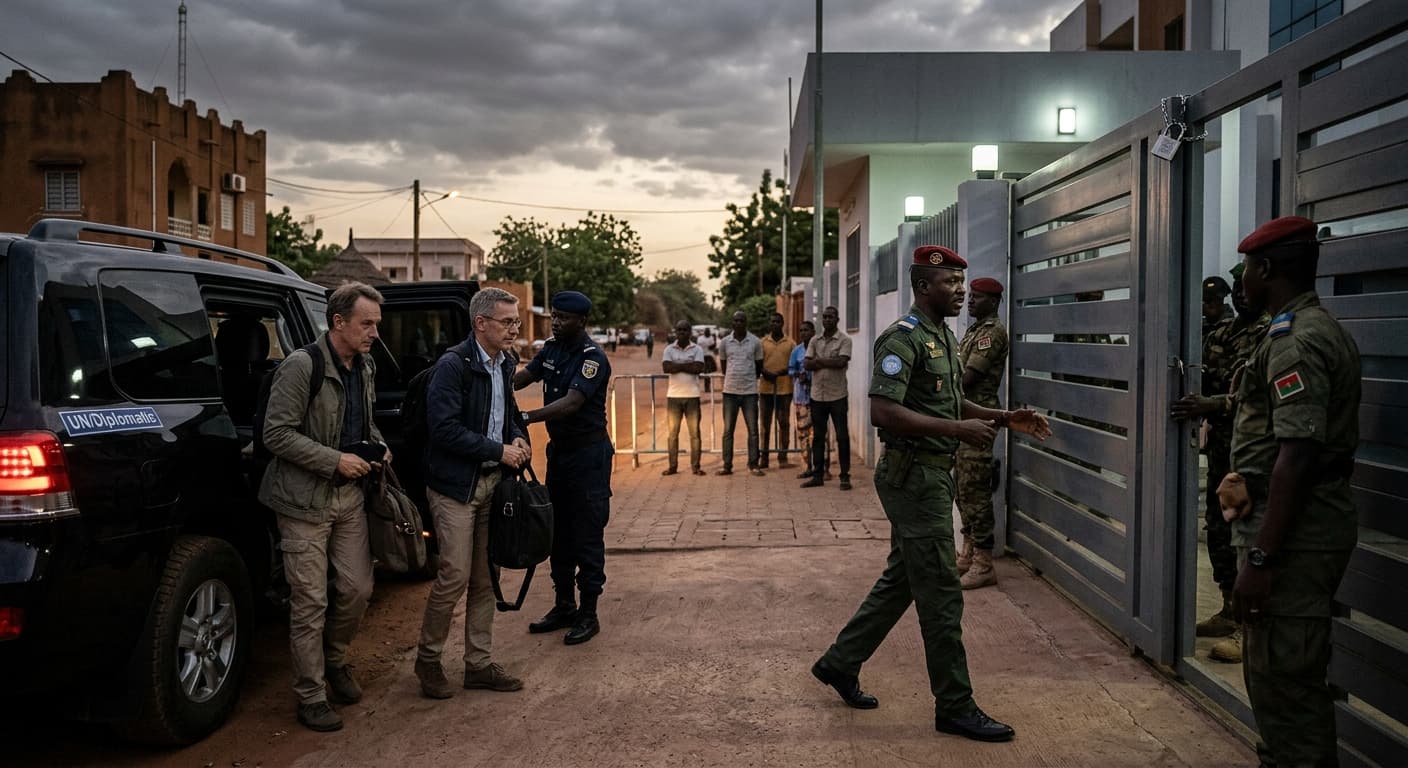
Global
Burkina Faso Expels EU Diplomats, Seals Monit
Burkina Faso expels two EU diplomats, completing a 19-month campaign to remove all independent international monitors. Captain Ibrahim Traoré now rules with no elections, no parties, and no external scrutiny as jihadist attacks double.
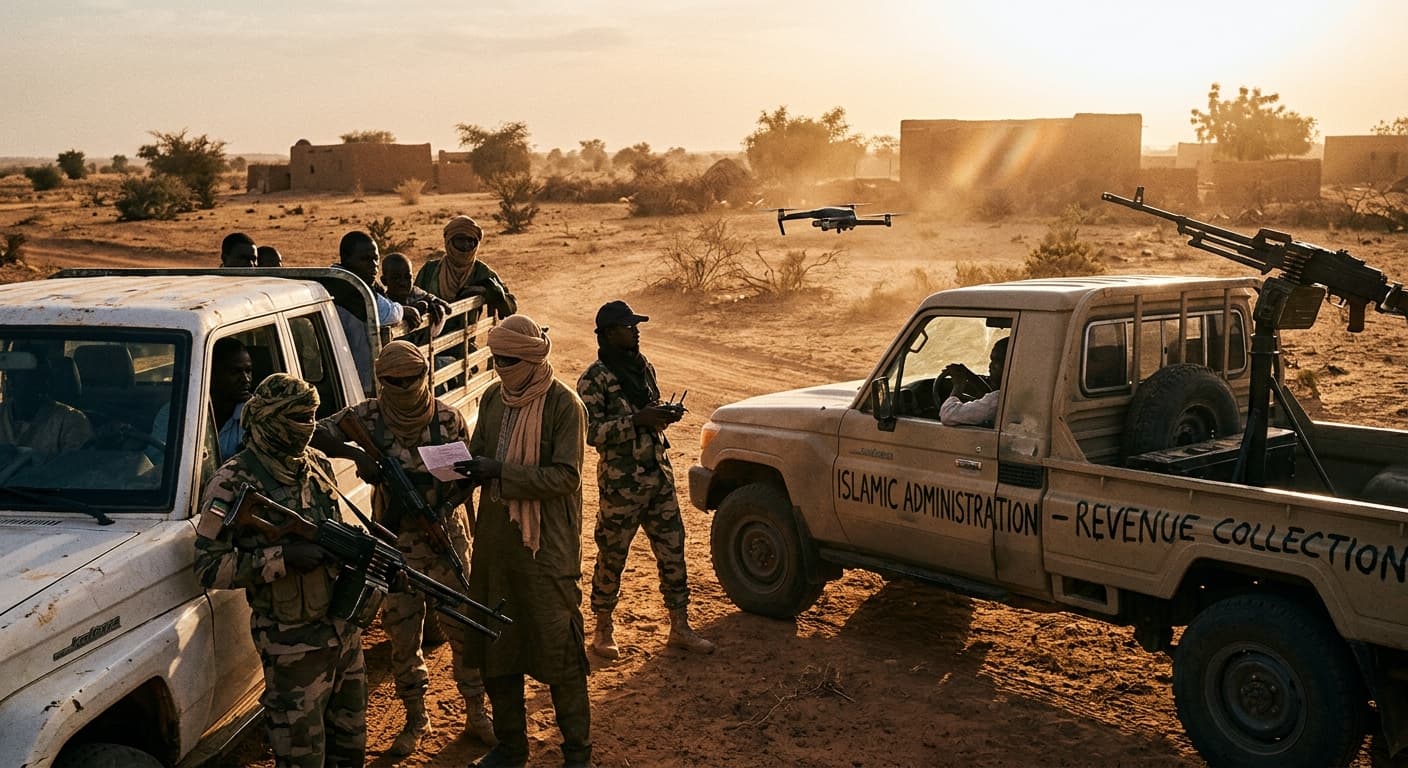
Global
Sahel Jihadists Now Govern, Tax and Drone-St
UN envoy warns Sahel jihadists now govern territory, tax trade, and use drones, as ECOWAS-AES split lets the threat metastasize toward coastal West Africa.