AUKUS Alliance Unveils Undersea Drone Plan
Trilateral initiative to deploy UUVs by 2027 announced.
Model Diplomat2 min readAsia-Pacific
China’s Maritime Edge Challenged as AUKUS Drags Drones Into Deep Water
The US-UK-Australia trilateral alliance has unveiled its first major Pillar Two initiative to deploy advanced unmanned undersea vehicles by 2027.
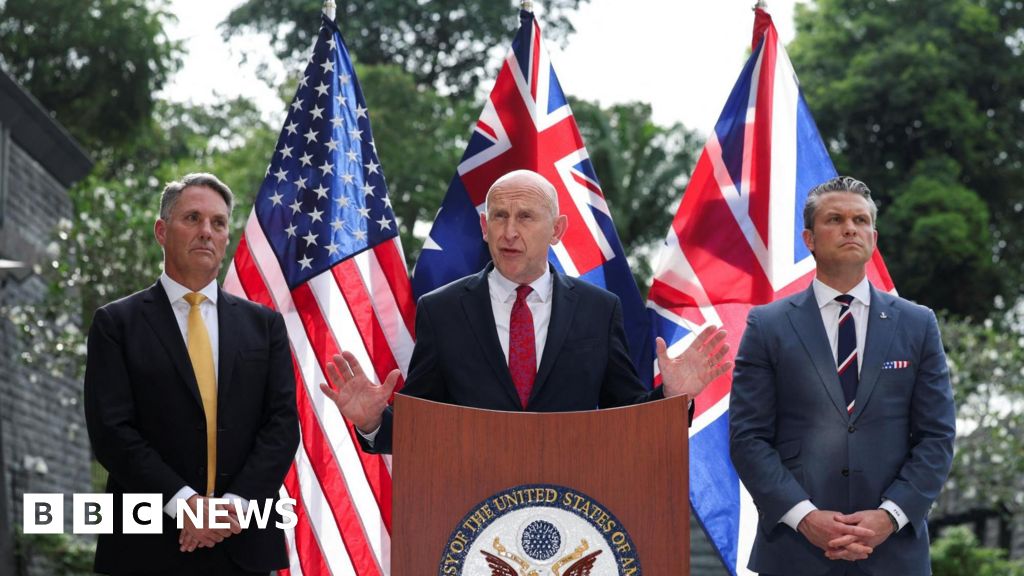
The uncrewed domain is the new frontline of Global Politics. Standing on the sidelines of the Shangri-La Dialogue in Singapore, security chiefs from the United States, United Kingdom, and Australia announced a marquee project under their landmark AUKUS alliance to co-develop and deploy advanced military uncrewed undersea vehicles (UUVs) by 2027, according to
ABC News. The move represents a calculated shift by the three allies to produce immediately deployable tactical advantages while their multi-decade, multibillion-dollar nuclear-powered submarine plan slowly materializes.
Turning Rhetoric Into Hardware
For years, critics have criticized AUKUS for focusing heavily on its long-term submarine transfer (Pillar One) while allowing its advanced technology division (Pillar Two)—which spans artificial intelligence, quantum computing, and hypersonics—to drift. British Defence Secretary John Healey addressed this perception directly, acknowledging that the alliance had previously "talked too much and delivered too little," as reported by POLITICO. By committing £150 million ($190 million) from the British taxpayer, the alliance is attempting to deliver operational capabilities directly to maritime commanders within the next year.
Under the new agreement, the three nations will co-develop high-tech payloads, sensors, and weapons systems for these undersea drones, according to Reuters. This joint development model bypasses traditional national procurement silos to speed up fielding, directly serving
International Conflict planning for contested sea lanes in the Western Pacific and Eastern Atlantic.
Shielding the Undersea Commons
The strategic rationale for prioritizing UUVs boils down to two critical vulnerabilities: China’s expanding naval footprint and the vulnerability of global commercial infrastructure. Deep-sea assets like fibre-optic cables and energy pipelines are increasingly vulnerable to grey-zone sabotage. The UUV fleet is expressly designed to shield undersea infrastructure while conducting anti-submarine warfare, mine countermeasures, and electronic warfare, according to the joint statement cited by Yahoo News UK.
Furthermore, subsea drones provide a low-cost, expendable asymmetric tool to counter China’s naval buildup. In the highly contested littoral environments of the South China Sea, uncrewed drones can map choke points and establish early-warning surveillance networks without risking human crew members aboard massive, expensive manned platforms.
What to Watch Next
The primary administrative bottleneck is now the Pentagon's export controls under the US International Traffic in Arms Regulations (ITAR) and other tech-sharing bureaucratic hurdles. Watch for whether US Defense Secretary Pete Hegseth can successfully implement streamlined technology export rules to allow seamless sensor integration before 2027. Additionally, the allies finalized a key operational shift under Pillar One, signaling that Australia will purchase three combat-ready, already-in-service Virginia-class submarines rather than newly built vessels—a critical detail to watch as the US domestic industrial base struggles to keep up with submarine production demands.
Discover more
Global
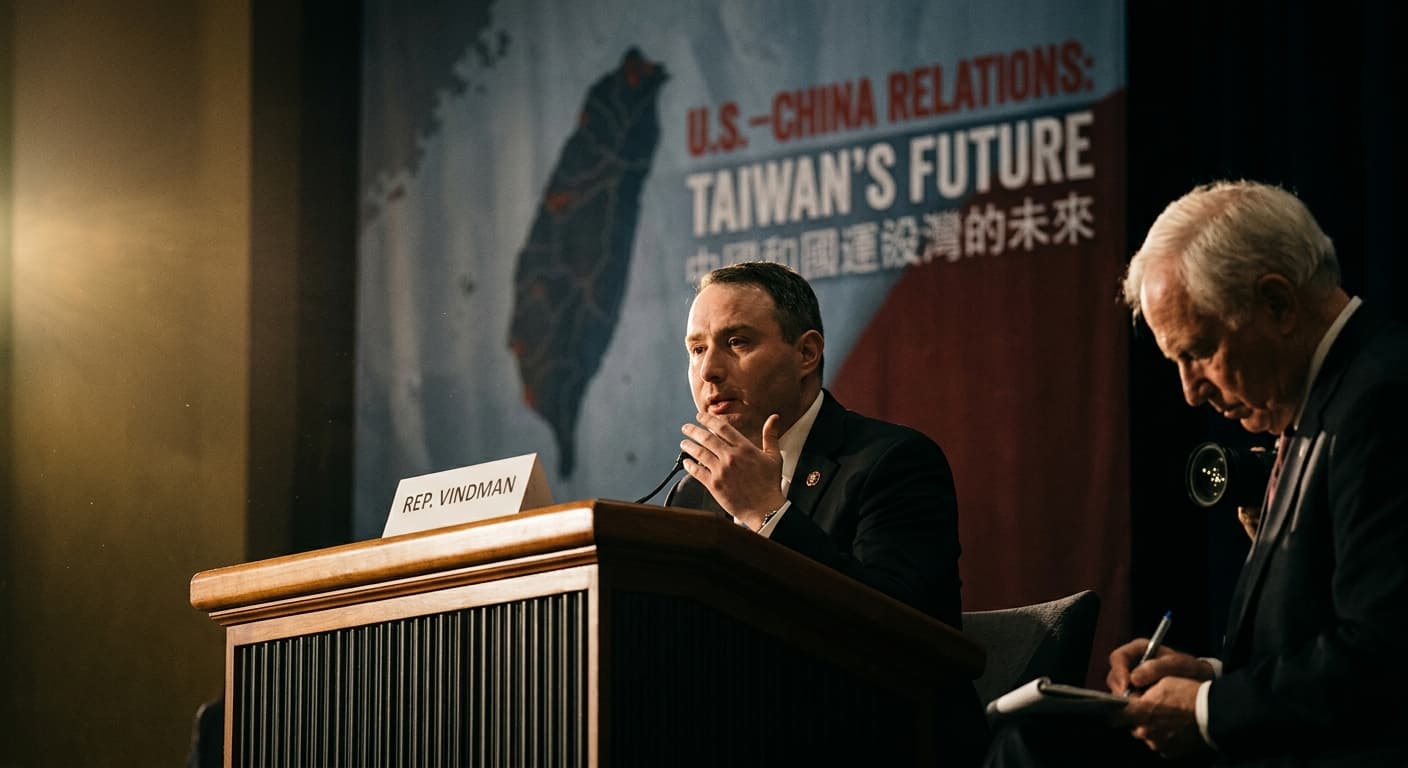
Vindman's Call for U.S. Response to China
Rep. Eugene Vindman highlights the urgent need for a U.S. strategy to counter China's gray-zone tactics against Taiwan, emphasizing economic stakes.
Global
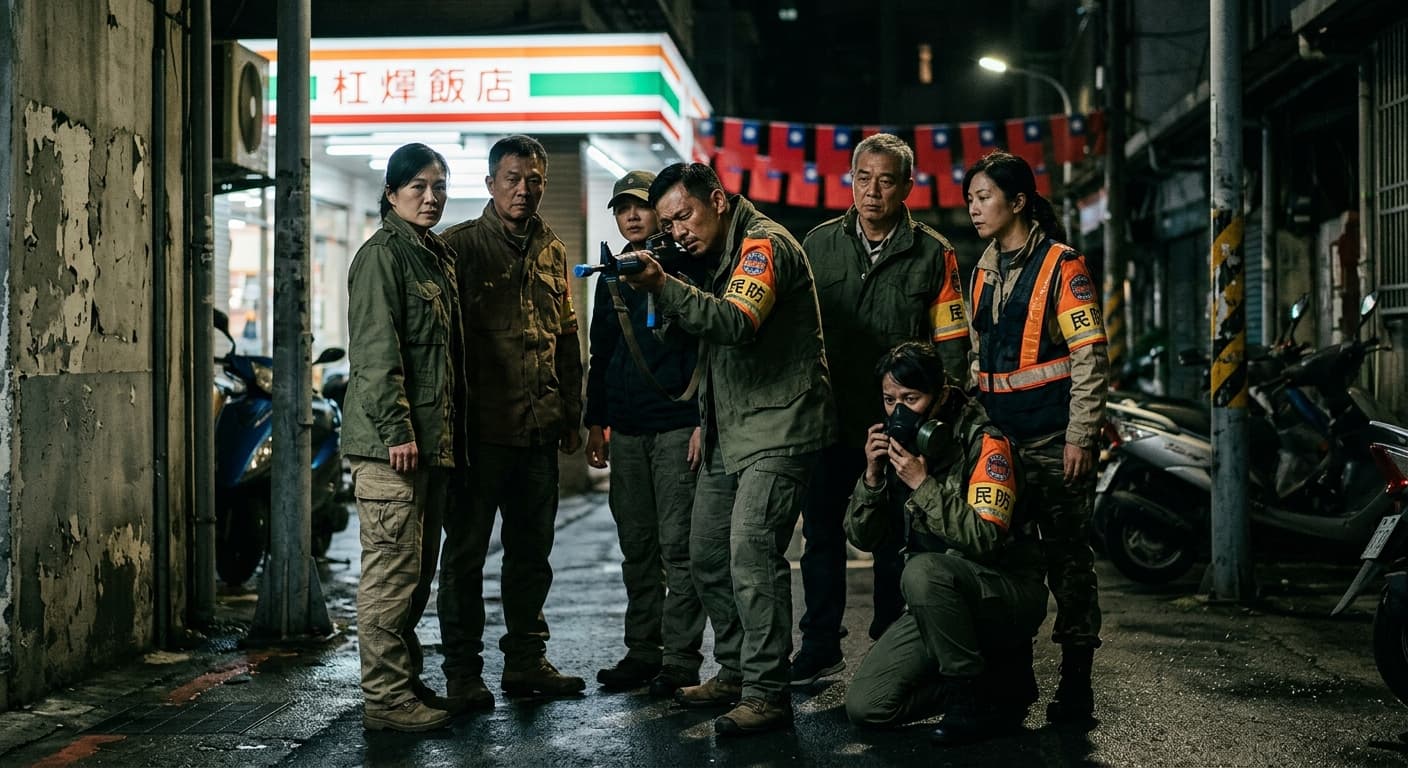
Taiwan's Civil Defense: Deterrence Strategy
Taiwan's National Security Council emphasizes civil defense drills as a deterrent against Chinese military aggression, amid budget cuts and rising tensions.
Global
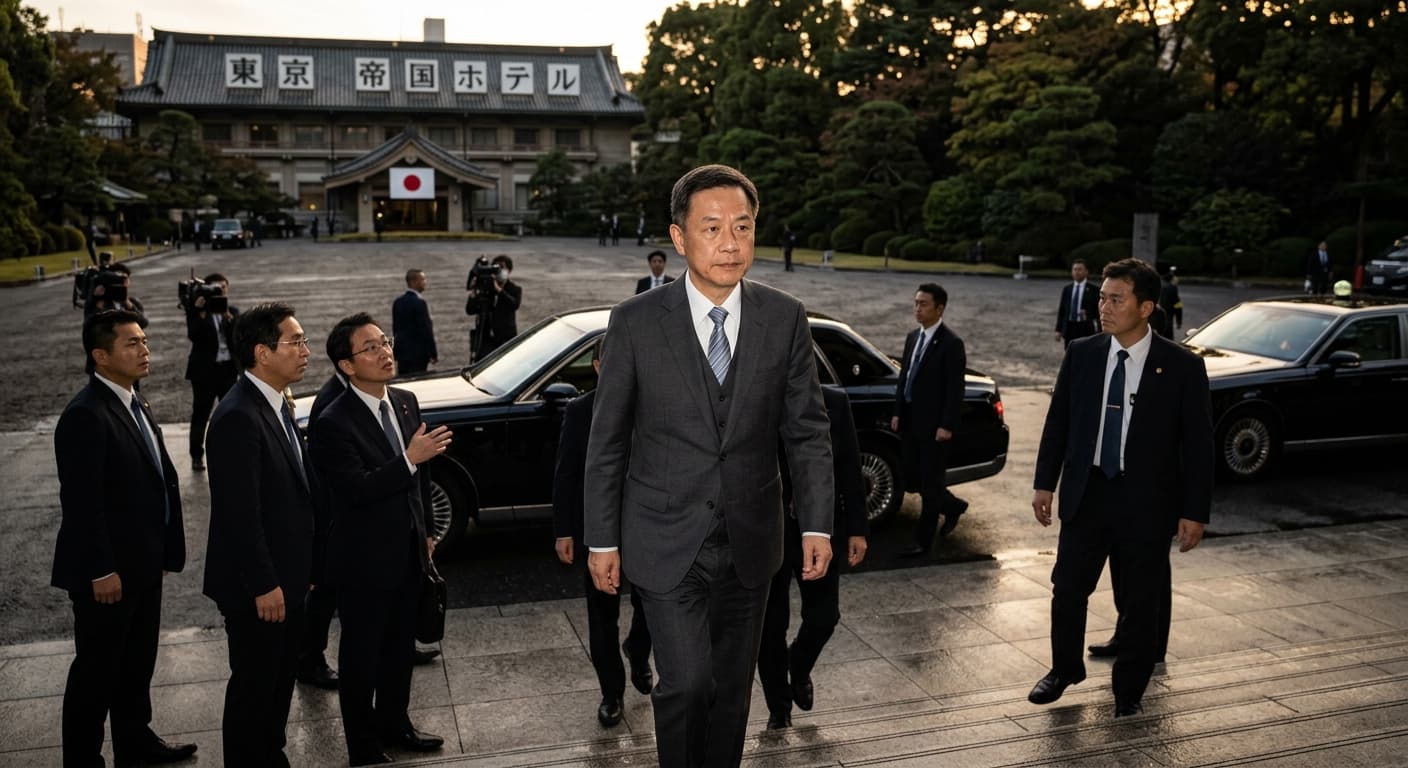
Taiwan Premier's Historic Tokyo Visit
Taiwan Premier Cho Jung-tai's visit to Japan breaks a 54-year precedent, signaling a shift in Indo-Pacific dynamics amid China's coercion.
India
Lipulekh Pass Reopens: India-China Trade
India and China reopen the Lipulekh Pass for cross-border trade, signaling a cautious thaw in relations after years of frozen frontier and diplomatic tensions.