Civilian Forces Transforming Modern Warfare
Exploring the rise of civilian leaders in military conflicts
Model Diplomat2 min readUkraine
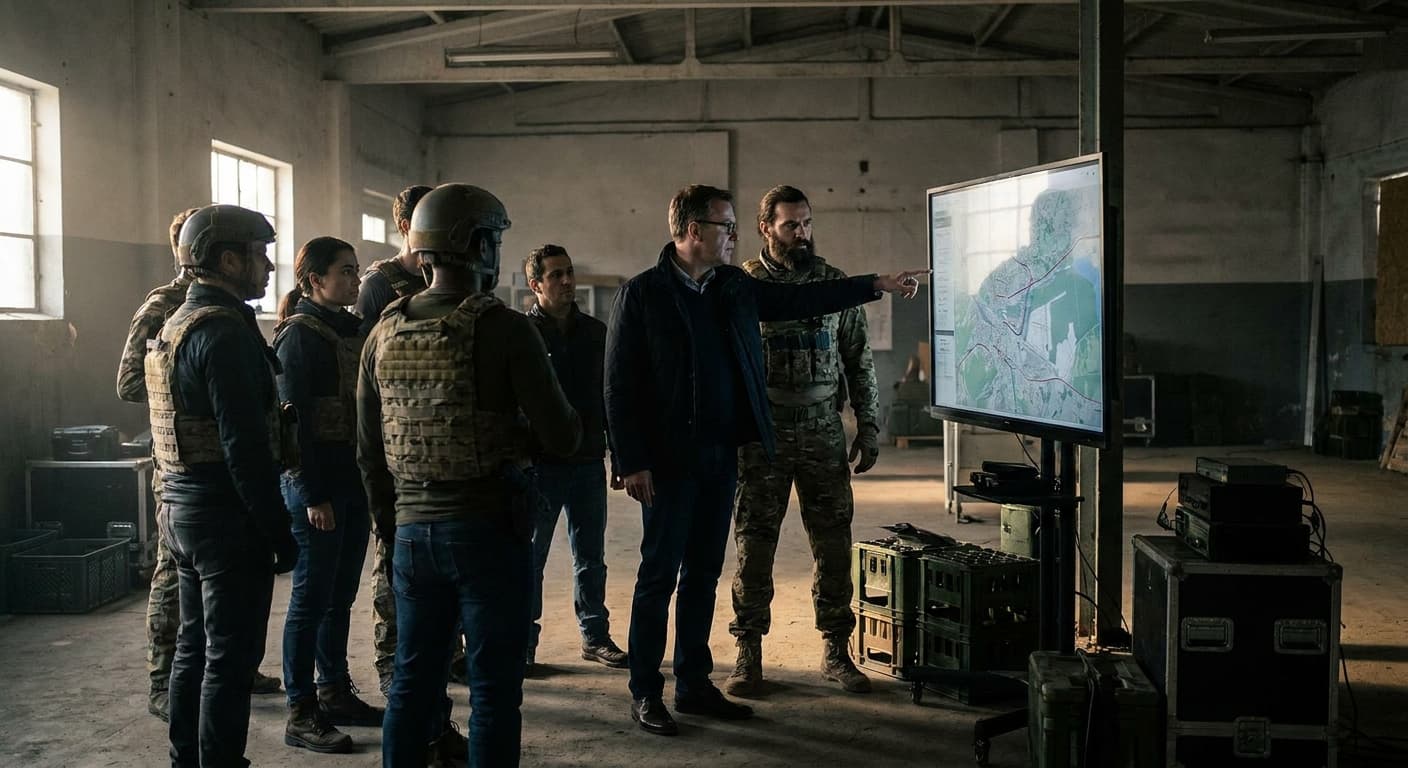
From Farming Tycoon to Fighter: How Civilian Forces Are Changing War
The rise of unconventional actors like Ukraine’s farming magnate-turned-commander signals a shift in modern conflict and defense strategy.
The U.S. and its allies have long regarded war through the lens of formal armies and state-sponsored militaries, but recent conflicts complicate this view. The AP News Military and Defense hub highlights the phenomenon vividly: civilian figures with no traditional military background are now pivotal in conflict zones. In Ukraine, a farming tycoon’s transformation into a military commander who expanded a volunteer unit into a credible fighting force symbolizes this shift AP News.
Why Non-Traditional Forces Matter
This trend owes much to the nature of modern warfare, which blends conventional state combat with insurgencies, proxy wars, and hybrid threats. Ukraine’s experience since 2014—and most dramatically since Russia’s 2022 full-scale invasion—illustrates how grassroots mobilization can fill gaps left by regular forces. When formal militaries struggled with readiness or political constraints, civic and non-traditional actors stepped in with resources, local knowledge, and high motivation.
For the United States, this undermines some Cold War-era models that prioritized overwhelming force from standing armies. Instead, U.S. defense strategists must reckon with mixtures of state and civilian capabilities—volunteer militias, private security contractors, and civilian leaders turned combatants. This complicates command structures and legal frameworks under international law but also opens new avenues for resistance in asymmetric conflicts.
Strategic Implications for U.S. Policy
The U.S. military and policymakers face a double-edged sword. Supporting civilian forces can bolster allies and proxies in contested zones, but risks empowering actors with less discipline or unpredictable agendas. For example, Ukrainian volunteer battalions were initially critical in resisting Russian forces but have raised concerns about coordination with formal military commands.
Moreover, these developments reflect a fusion of economics and defense. Tycoons and businessmen leveraging personal wealth to fund defense efforts blur lines between private enterprise and national security roles. This intersect raises questions about accountability and long-term governance once conflicts wind down.
What to Watch Next
The evolution of civilian-led forces will shape global conflict landscapes beyond Ukraine. Expect similar patterns in regions where state institutions are weak or contested—Middle East, Africa, parts of Asia. How the U.S. adapts militarily and diplomatically to this reality will signal its readiness for 21st-century warfare.
International norms and alliances will also be tested as non-traditional combatants influence military outcomes. This demands a more flexible, nuanced U.S. defense policy that integrates civilian capacities without compromising oversight.
For deeper insight into America's defense posture and global security trends, explore more on U.S. Politics and
International Security.
This civilian-military hybrid model is no passing fad. It reflects how economic influence, local initiative, and unconventional warfare now interlock—reshaping conflict and challenging traditional military doctrine in ways policymakers cannot ignore.
Discover more

US Politics
Biden's $1.5T Military Budget Amid Iran Tense
The Biden administration's $1.5 trillion military budget faces scrutiny amid murky Iran war costs, exposing deep fiscal and strategic challenges for US defense.
US Politics
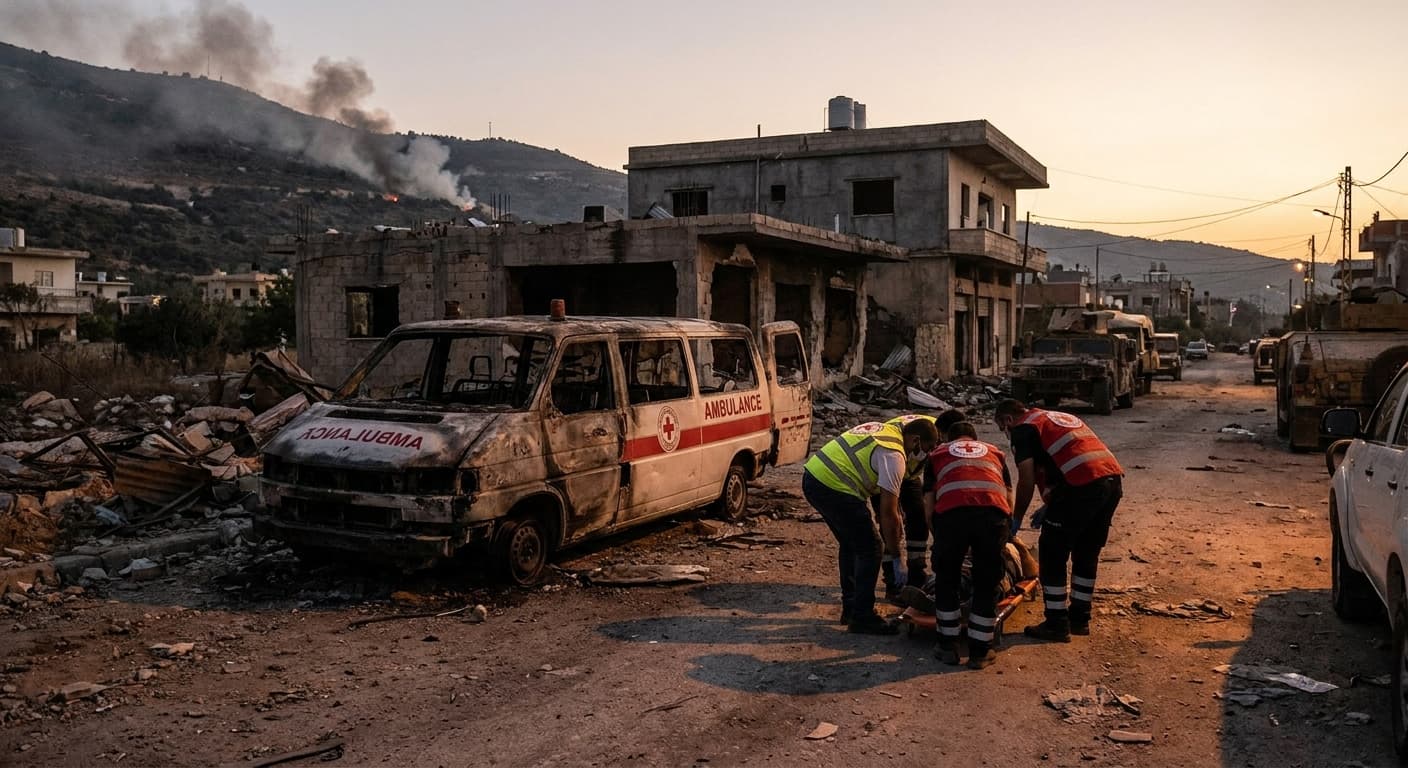
Escalating Violence
Three paramedic teams in southern Lebanon were struck by Israeli attacks, escalating violence and deepening the humanitarian crisis amid the ongoing conflict.
US Politics
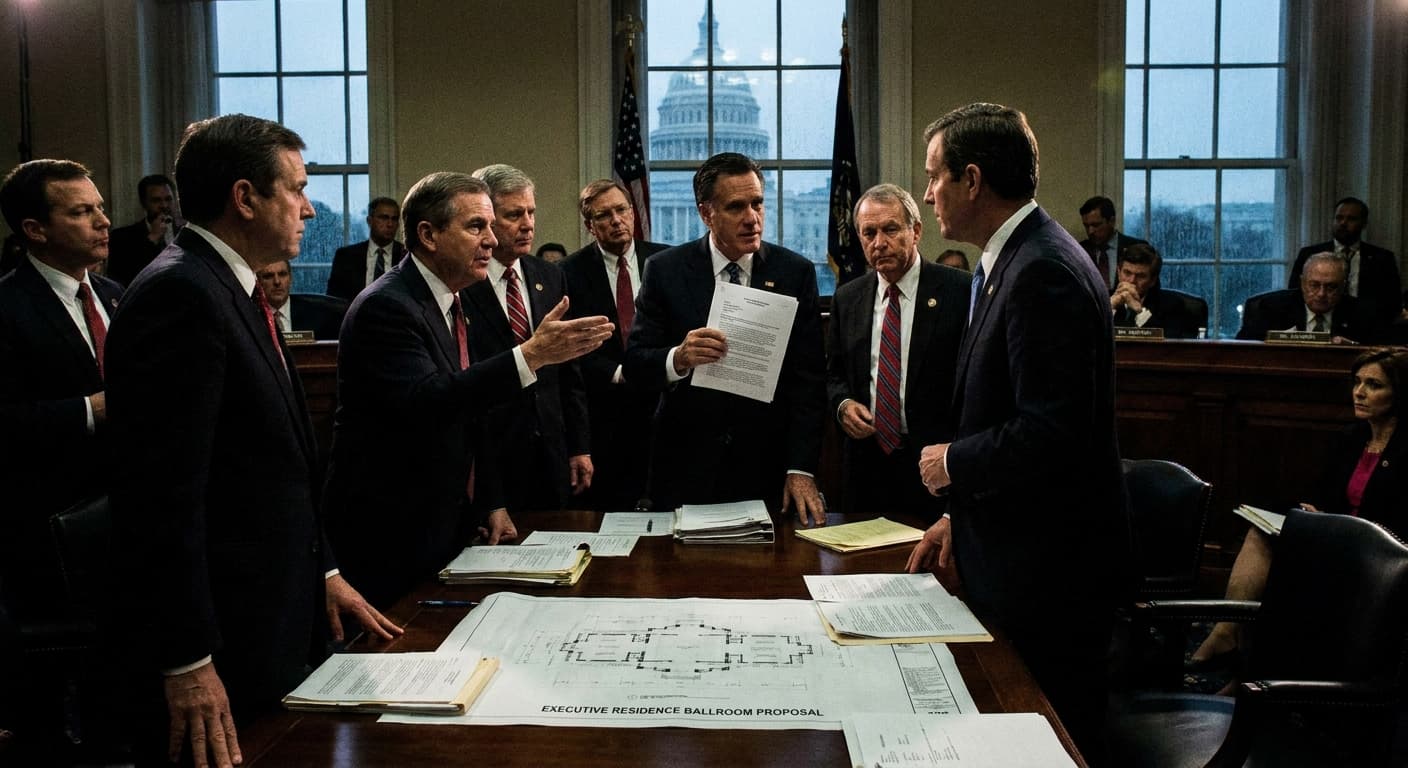
Congress vs. White House: War Powers Clash
Tensions escalate as Congress challenges Trump's war powers and ballroom plans, exposing deepening conflict between executive authority and legislative power.

Conflict & Security
Drone Warfare Killing Aid Workers at Unprec
Over 1,000 humanitarian workers killed in three years as cheap armed drones collapse legal protections. Gaza, Sudan, Ukraine, and DRC see deliberate targeting of aid convoys and hospitals with zero prosecutions.