Congress vs. White House: War Powers Clash
Exploring the clash over military authority and White House projects
Model Diplomat3 min readUnited States
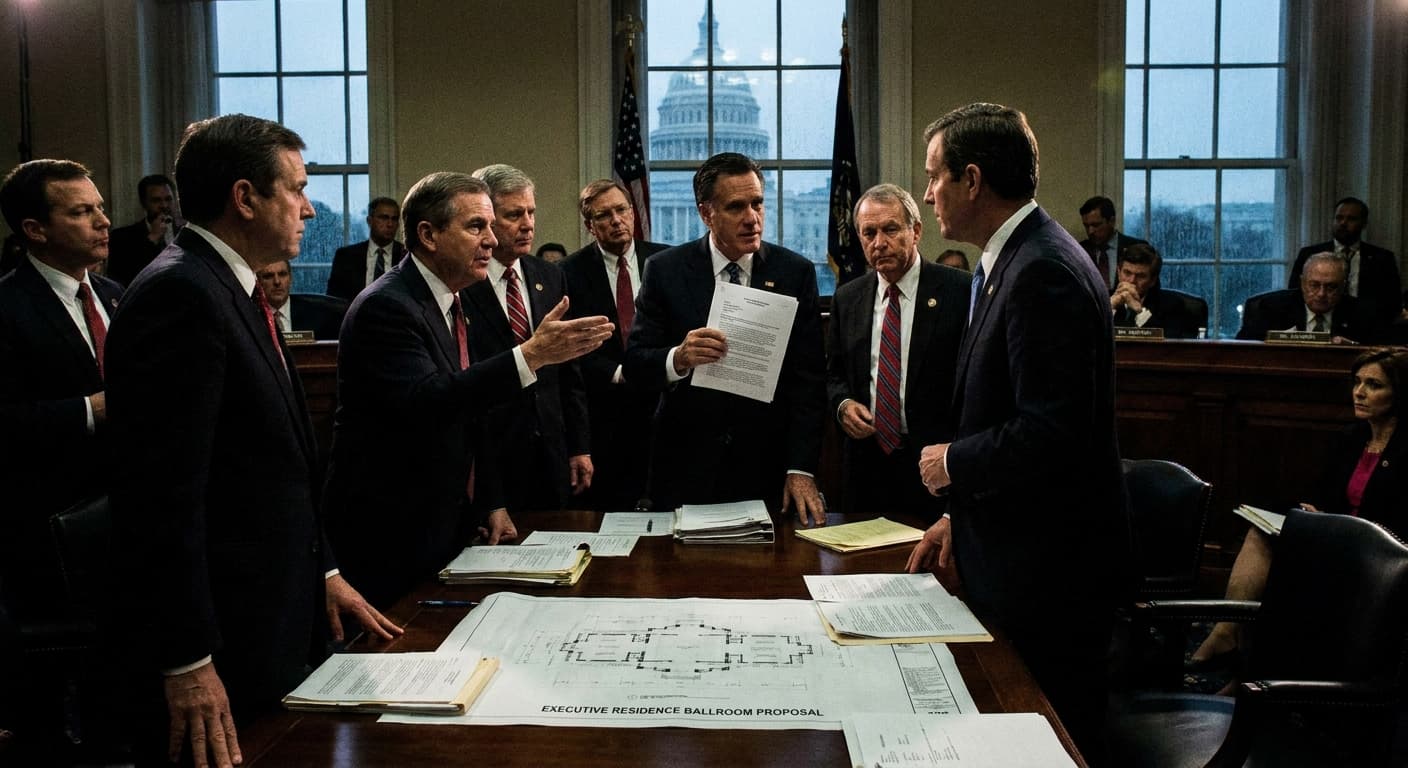
US Congress and White House Clash on War Powers and White House Ballroom Build
April 16–17 show deepening divides in Congress-White House relations, especially over military action and executive authority.
This week’s top political headlines signal mounting friction between the legislative and executive branches in Washington. In a narrowly decided April 15 House vote, Democrats failed to pass a resolution that would have blocked former President Donald Trump from ordering further military strikes on Iran. The Senate, just one day prior, similarly voted against curbing Trump's war powers related to ongoing operations in the Middle East. These moves spotlight contentious debates over presidential authority in wartime and Congress’s constitutional role in authorizing or restraining military actions.
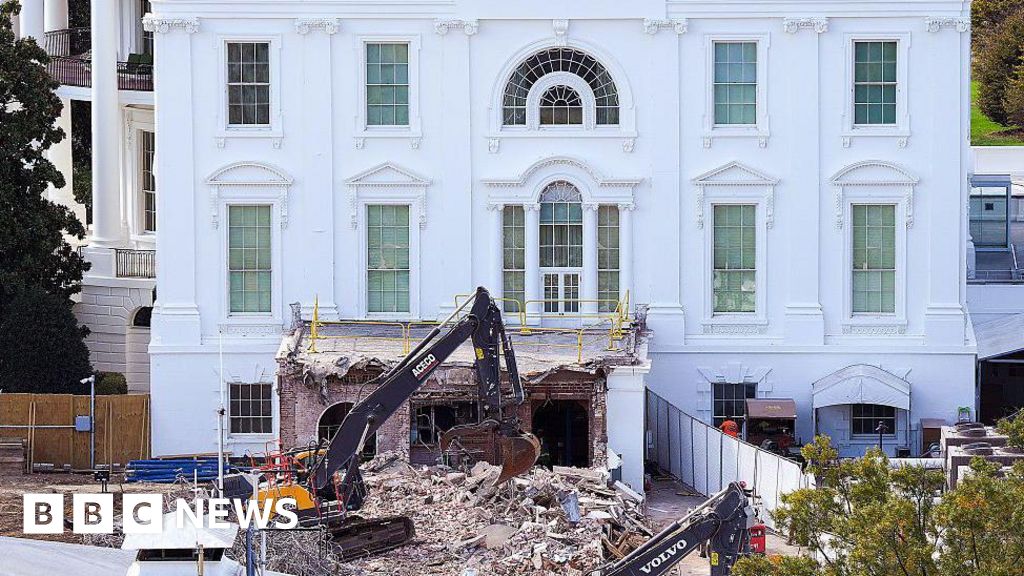
Meanwhile, a federal judge ruled against the Trump administration’s plan to proceed with above-ground construction of a new White House ballroom without explicit congressional approval. The court allowed only underground work, such as bunker construction and security-related activities. Trump’s defense that the entire ballroom project was a national security imperative was dismissed as an overreach. With the Justice Department appealing and the project stalled, this legal battle underscores tensions over presidential overreach and budgetary oversight by Congress.
Why This Matters: Executive-Legislative Power Struggles Are Back in Focus
The Iran war-powers votes are a clear echo of long-running partisan disagreements about the balance of war authority. The War Powers Resolution requires the president to obtain congressional approval for significant military actions, but post-9/11 presidents have often contested its scope. That Democrats failed to command a majority in the House—even as the war nears two months—reflects not only Republican support or abstentions but also underlying divisions within the Democratic caucus about confronting Trump’s foreign policy. The ongoing war, unpopular with many Americans, also keeps Congress on edge about accountability and transparency.
Adding to the drama, the White House ballroom dispute may seem more niche but risks becoming a symbol of unchecked executive ambition. The Trump administration’s attempt to label a fancy ballroom as a national security necessity raises questions about budget disciplines and congressional prerogatives. The court’s sharp rebuke foreshadows tighter judicial scrutiny of executive spending projects masquerading as security measures.
For both issues, we see the legislative-executive tug-of-war intensifying as Democrats hold Congress but Trump’s shadow looms large in party politics. These conflicts exemplify broader struggles over limits on presidential power, institutional checks, and the direction of U.S. policy both at home and abroad.
What to Watch Next
-
Congressional moves on war powers: Expect Democrats to press new measures aimed at reining in executive war powers, possibly coupling these votes with broader defense oversight hearings. How Republicans respond may shape the prospects for bipartisan consensus or deeper polarization.
-
Legal developments on White House construction: Appeals court decisions and any congressional investigations into the ballroom project will indicate whether Congress can effectively check executive overreach in budgeting and national security justifications.
-
Impact on midterms and party dynamics: These flashpoints feed into larger narratives about governance and accountability that will influence the 2026 midterm campaigns. How Democrats leverage these conflicts could affect their messaging on national security and institutional integrity.
For a deeper dive into these themes, see our coverage on US politics and
international relations.
Sources:
Discover more

US Politics
Judge Blocks Trump's White House Ballroom Bid
A federal judge halted Trump's White House ballroom construction, a ruling that underscores judicial checks on presidential power and congressional oversight.
Global Politics
Judge Halts Trump's White House Ballroom Plan
A federal judge blocks aboveground work on Trump's White House ballroom over missing congressional approval, while letting an underground bunker proceed.

US Politics
Judge Blocks Trump White House Ballroom Plans
A federal judge ruled the White House ballroom project needs congressional approval, delaying construction indefinitely over questions of executive power.

Economics
Fed's Amex AML order puts correspondent banking on notice
Federal Reserve's Amex AML order requires board-level controls and a 90-day plan; OCC fined the bank $350 million over enterprise-wide deficiencies.