Judge Blocks Trump's White House Ballroom Bid
Court limits presidential authority on White House renovations
Model Diplomat3 min readUnited States

Judge Faults Trump’s “Brazen” Ballroom Construction Bid — What It Means for White House Oversight
Federal court reasserts limits on presidential authority after Trump attempts to bypass Congress for White House ballroom expansion.
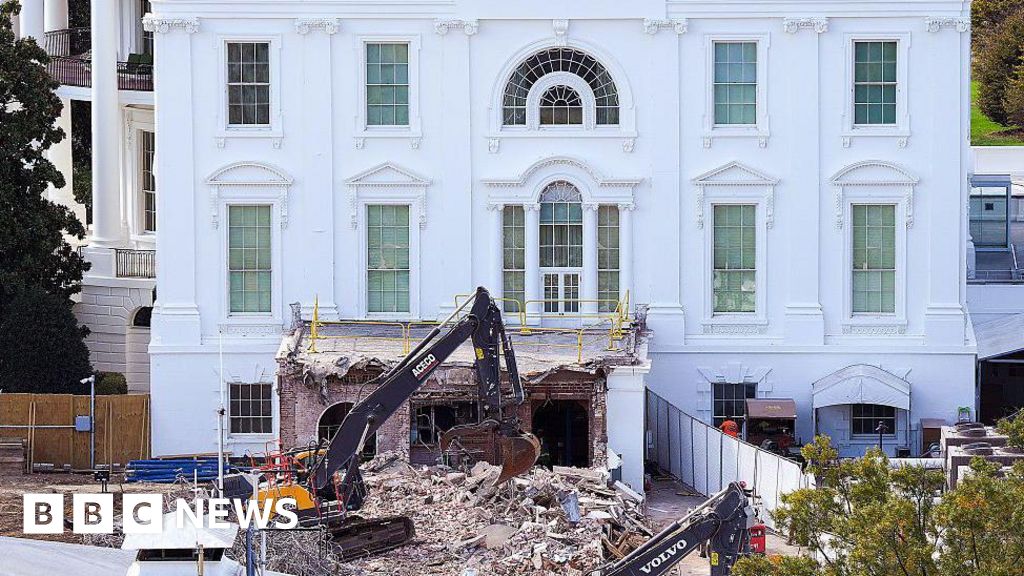
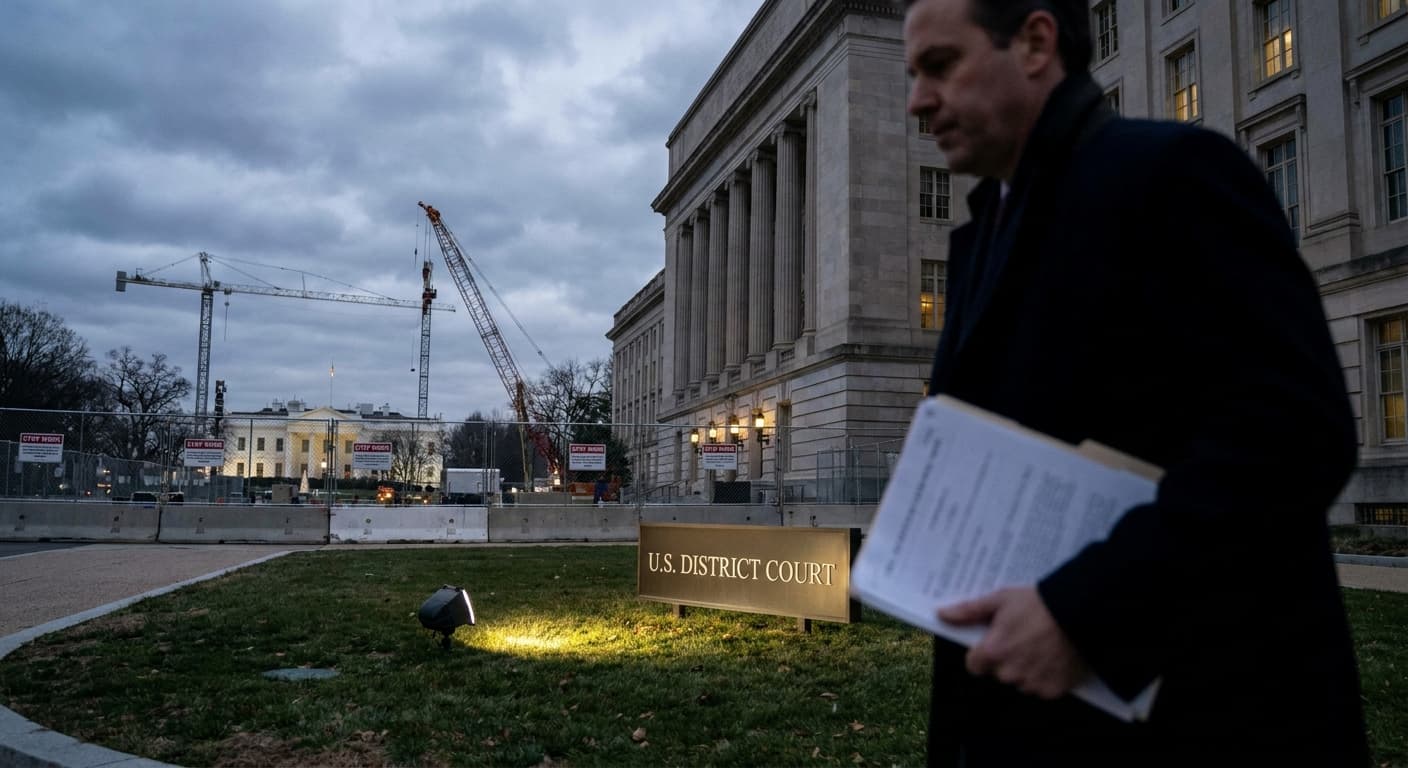
Federal Judge Richard Leon on April 16 ruled against former President Donald Trump’s effort to continue construction on a White House ballroom without explicit congressional approval, branding the move “brazen.” The ruling narrows an earlier injunction by allowing work critical to national security but demands a halt on any above-ground construction related to the ballroom itself. This decision underscores ongoing tensions over executive overreach and the checks on presidential power regarding modifications of iconic government property.
Why the Ballroom Dispute Matters
The White House ballroom project has become a focal point of political and legal conflict. Trump’s plan to add or renovate a ballroom—a space used for official functions—was challenged because it lacked the necessary congressional authorization. Congress controls the budget for federal properties, and presidential attempts to circumvent this oversight raise constitutional flags. The judge’s language—calling the effort “brazen”—signals judicial frustration with attempts to sidestep legislative authority.
This conflict highlights a broader, recurring question in U.S. politics: How far can a president go in altering government property without the explicit consent of Congress? Historically, presidents have undertaken renovations, but the checks and balances generally require input from Congress—especially when funds are involved or the changes carry symbolic and functional weight. A White House ballroom is more than a luxury; it is a space for state dinners, diplomatic receptions, and national ceremonies. Altering it without clear, legal authority risks both practical and symbolic blowback.
Moreover, the ruling is emblematic of the post-presidency challenges Trump faces in court, from election-related lawsuits to financial investigations. It adds to a nuanced narrative: while Trump retains political influence, he encounters legal pushback that restricts his ability to act unilaterally on federal matters.
What to Watch Next
Judge Leon’s decision allows certain construction tied to national security to continue while restricting visible above-ground work on the ballroom. This fine line suggests future legal and political skirmishes as the administration or Trump’s associated entities try to define what qualifies as national security versus palace expansion.
Congressional leaders may lean into this ruling as a precedent to more aggressively monitor presidential projects and ensure congressional approval mechanisms aren’t bypassed. At a time when U.S. politics remains deeply divided, this legal dispute becomes a test case for executive restraint.
Additionally, the ruling could influence how future administrations approach White House renovations or expansions. The judiciary is clearly signaling that presidential privilege has limits regarding federal property management, reinforcing Congress’s role in oversight.
Those following U.S. politics should watch congressional responses and potential appeals. Trump’s legal team might challenge the ruling, or lawmakers could propose stricter authorization requirements for White House changes.
This courtroom pushback matters because it speaks directly to one of the fundamental American debates around power balance—not just between branches but within the symbolic center of executive authority. And while the ballroom may appear a niche issue, the principle it tests affects governance far beyond the White House walls.
Judge faults Trump for 'brazen' bid to continue ballroom construction
For more on the broader political implications, check out our U.S. Politics overview.
Discover more
Global Politics
Judge Halts Trump's White House Ballroom Plan
A federal judge blocks aboveground work on Trump's White House ballroom over missing congressional approval, while letting an underground bunker proceed.
Global Politics
Judge Blocks Above-Ground White House Project
A federal judge halted the above-ground White House ballroom expansion while allowing underground security work, spotlighting a clash over preservation.

US Politics
Democrats Aim to Curb Trump's Iran War Powers
US Democrats introduce measures to curb Trump's war powers on Iran, demanding congressional approval for military action in a critical test of oversight.

Economics
Fed's Amex AML order puts correspondent banking on notice
Federal Reserve's Amex AML order requires board-level controls and a 90-day plan; OCC fined the bank $350 million over enterprise-wide deficiencies.