Judge Blocks Above-Ground White House Project
Court halts Trump's ballroom project, allows underground work.
Model Diplomat3 min readUnited States
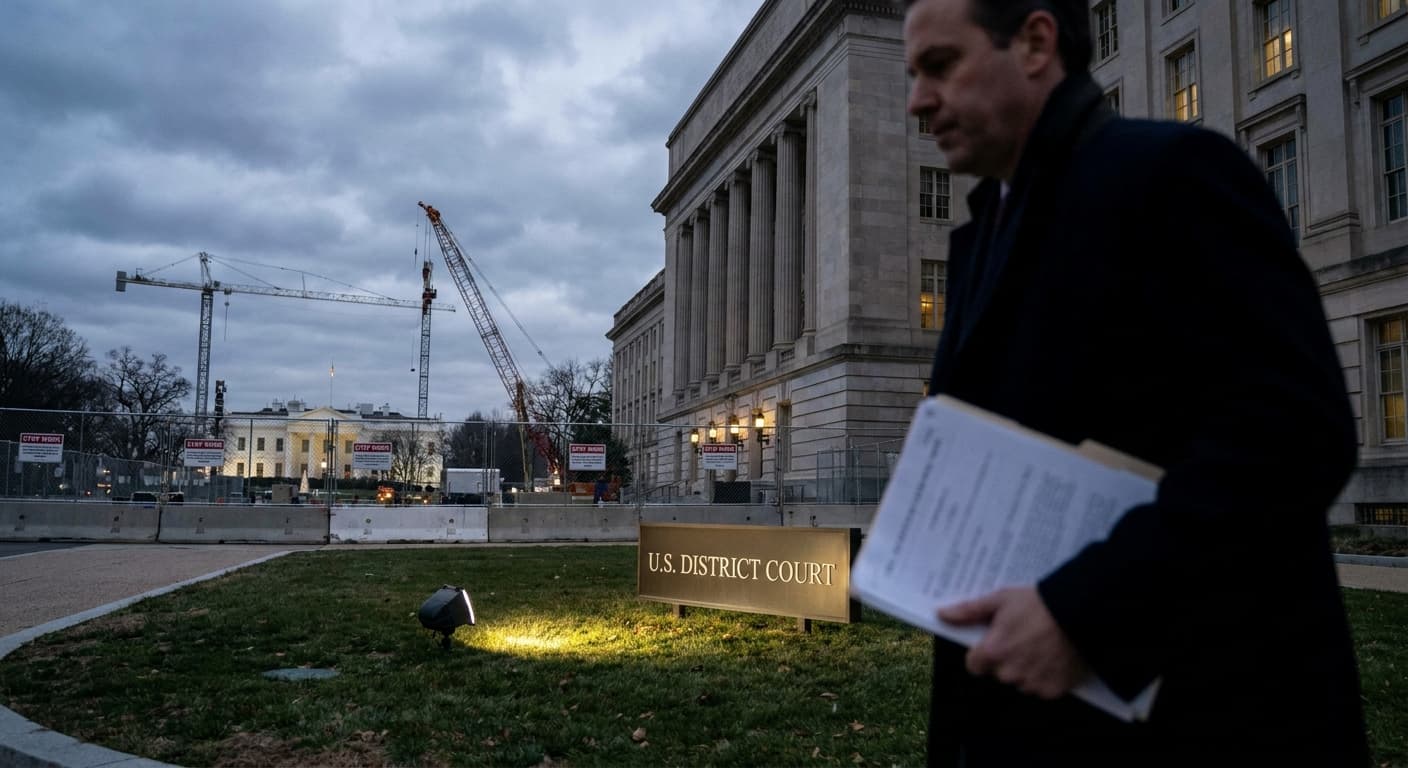
Judge Halts White House Ballroom Above-Ground Build, OKs Below-Ground Works
Federal court blocks Trump’s above-ground White House ballroom expansion but permits underground security facilities to proceed.
U.S. District Judge Richard Leon ruled this week that construction of a planned above-ground ballroom at the White House must stop for now, while allowing the Trump administration to continue developing below-ground facilities, including bunkers and security installations, at the same site. This split decision, delivered in Washington, highlights the legal and political friction over the Trump administration’s plans for the executive mansion’s grounds, which critics argue sidestep historic preservation norms.
Why the Legal Distinction Matters
The ballroom project—part of broader White House renovations initiated by the Trump era’s White House Historical Association—intended to add a high-end event space above ground, which opponents have called an unprecedented alteration to a landmark protected by multiple historical and preservation laws. Judge Leon’s injunction against above-ground construction affirms that federal courts remain a potent check on executive actions perceived to threaten heritage sites. However, his decision to allow below-ground work signals the court’s recognition of legitimate national security imperatives.
The subterranean aspect includes enhancements to the White House’s secure communication and bunker networks, critical infrastructure given the escalating global threats facing U.S. leadership. This nuance in the ruling underlines a common tension in U.S. governance between preserving tradition and adapting security in an age of new threats. Unlike above-ground additions—highly visible and symbolically charged—below-ground works tend to evade public scrutiny and legal oversights, raising new questions about transparency in expanding the executive’s protective facilities.
For those tracking U.S. political and institutional continuity, this case spotlights the Trump administration’s approach to legacy building, using physical space as a form of political symbolism and power projection. Altering the White House footprint has always been fraught with controversy—think the Truman reconstruction in the 1940s or modern accessibility adaptations. But such changes, until now, were typically incremental and widely consensual. The current clash reveals the limits of unilateral presidential initiatives even in the nation’s most iconic address.
What to Watch Next
Legally, the injunction applies pending further judicial review. Stakeholders will be keenly focused on how the Department of Justice responds—whether it pushes aggressively for a full reversal or pursues a negotiated settlement that could redefine permissible renovations at the White House. Given that this dispute plays out publicly, it also raises political stakes for the Biden administration, which inherited the contentious project and must balance historical stewardship with security needs.
Congressional oversight may also intensify, as lawmakers from both parties weigh in on preserving national heritage versus ensuring top-tier security for U.S. officials amid rising geopolitical risks. The White House ballroom saga could become a litmus test for future executive-led modernization efforts of federal landmarks—a rare intersection where cultural preservation meets national security in tangible form.
For deeper context on the balance of history and politics in the U.S. executive branch, see our coverage of United States political institutions and the broader landscape of
global politics.
Discover more
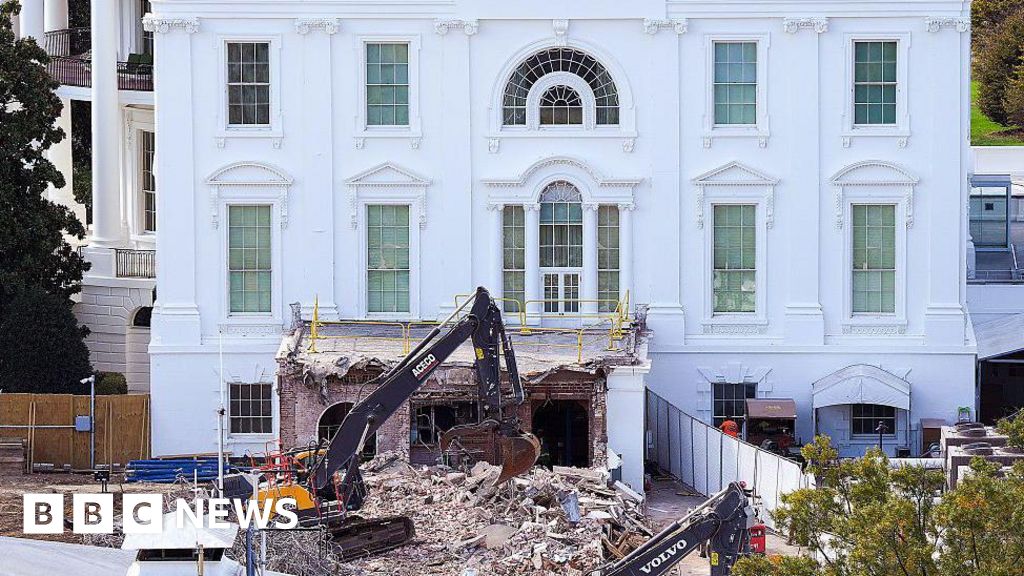
Global Politics
Judge Halts Trump's White House Ballroom Plan
A federal judge blocks aboveground work on Trump's White House ballroom over missing congressional approval, while letting an underground bunker proceed.

US Politics
Democrats Aim to Curb Trump's Iran War Powers
US Democrats introduce measures to curb Trump's war powers on Iran, demanding congressional approval for military action in a critical test of oversight.
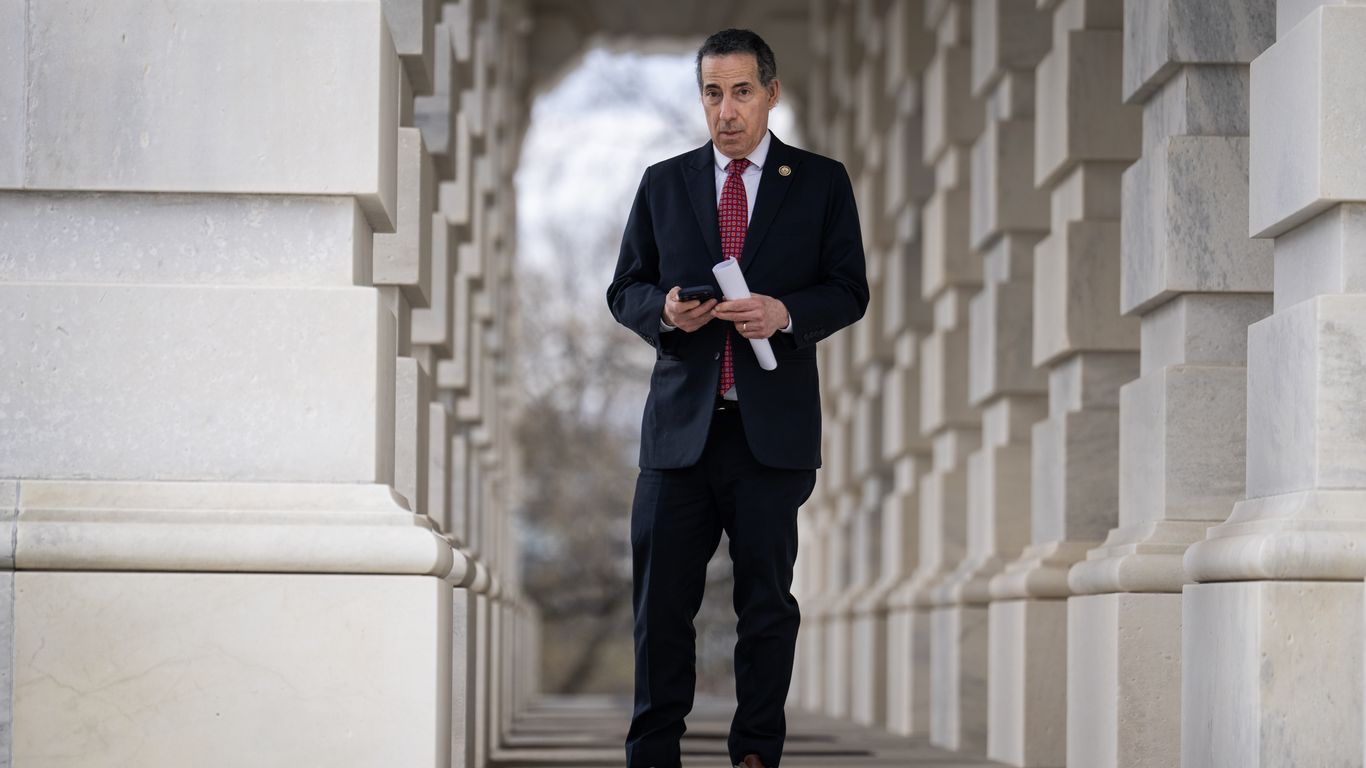
US Politics
Democrats Propose 17-Member Panel on Trump
House Democrats propose a 17-member commission to assess Trump's fitness for office under the 25th Amendment, raising constitutional concerns and high stakes.

Economics
Fed's Amex AML order puts correspondent banking on notice
Federal Reserve's Amex AML order requires board-level controls and a 90-day plan; OCC fined the bank $350 million over enterprise-wide deficiencies.