Judge Halts Trump's White House Ballroom Plan
Legal ruling halts aboveground construction of Trump's ballroom.
Model Diplomat2 min readUnited States
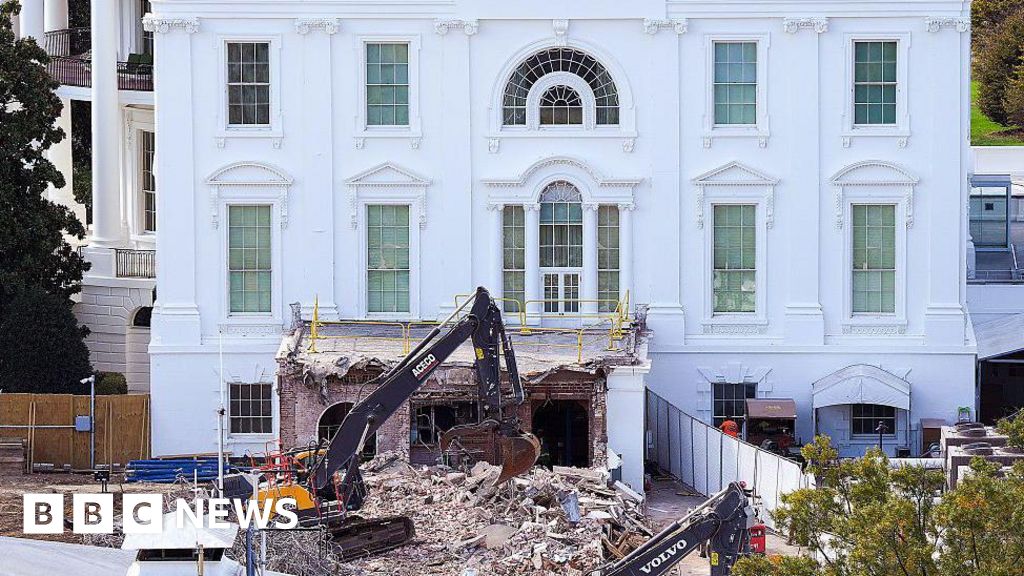
Judge Blocks Aboveground Construction of Trump’s White House Ballroom Project
Judge Richard Leon halted aboveground construction of Donald Trump’s proposed White House ballroom due to lack of Congressional approval, allowing only an underground bunker to continue.
Trump’s White House Ballroom Project Meets Legal Roadblock
On April 17, 2026, a U.S. federal judge halted the aboveground construction of the White House ballroom proposed by former President Donald Trump. Judge Richard Leon ruled that the expansion requires explicit approval from Congress, a condition not met by Trump’s team. However, construction of an underground bunker, part of the same project, was permitted to proceed.
The judge sharply criticized attempts to reclassify the aboveground ballroom as a national security measure, labeling the move as a legal overreach. This undercuts the administration’s effort to bypass Congressional oversight by invoking national security concerns, a tactic often employed to fast-track contentious projects.
Congressional Oversight and Separation of Powers
This ruling underscores the constitutional principle that significant modifications to the White House, a federal property, require legislative consent. Congress holds budgetary and oversight authority over executive branch initiatives that entail substantial expenditures or structural alterations.
Trump’s effort to sidestep Congressional approval by framing the project as a national security necessity appears to have backfired, highlighting the judiciary’s willingness to enforce checks on executive power—especially when those checks align with clear legal boundaries.
The partly permitted underground bunker portion likely reflects genuine security considerations, which traditionally fall within executive discretion. In contrast, an aboveground ballroom, more of a social and ceremonial space, does not meet the threshold to invoke national security exceptions, according to Judge Leon.
Why This Matters
This decision exposes the limits of executive autonomy post-presidency, especially on matters involving federal property and spending. It also signals the judiciary’s insistence on strict adherence to procedural norms in complex political projects connected to controversial figures like Trump.
The case may set precedent for how large-scale construction or renovation projects tied to former presidents are reviewed, emphasizing transparency and legislative oversight over executive discretion. It further suggests ongoing friction between the Trump camp and established institutional procedures, contributing to the broader narrative of his fraught relationship with government norms.
What to Watch Next
The Trump team faces a clear path: seek Congressional approval to legitimize the ballroom construction or face extended legal battles that could delay or halt the project indefinitely. Congress’s reaction will be a critical indicator of political dynamics around Trump's initiatives, especially as election cycles approach.
Additionally, closely watching how the underground bunker’s completion unfolds may reveal how national security claims will be balanced against transparency demands going forward. The ruling invites scrutiny of how former presidents engage with official residences and federal resources, a topic ripe for future legislative or judicial clarification.
For further context, see our coverage on United States politics and broader
global political implications of executive-legislative tensions.
Judge halts aboveground construction of Trump's White House ballroom project
Discover more

US Politics
Democrats Aim to Curb Trump's Iran War Powers
US Democrats introduce measures to curb Trump's war powers on Iran, demanding congressional approval for military action in a critical test of oversight.
US Politics
Democrats Propose 17-Member Panel on Trump
House Democrats propose a 17-member commission to assess Trump's fitness for office under the 25th Amendment, raising constitutional concerns and high stakes.
Global Politics
Kevin Freking's AP News Hub
Kevin Freking's Associated Press hub widens access to trusted political journalism, offering reliable U.S. politics coverage amid rampant misinformation.

Economics
Fed's Amex AML order puts correspondent banking on notice
Federal Reserve's Amex AML order requires board-level controls and a 90-day plan; OCC fined the bank $350 million over enterprise-wide deficiencies.