Judge Blocks Trump White House Ballroom Plans
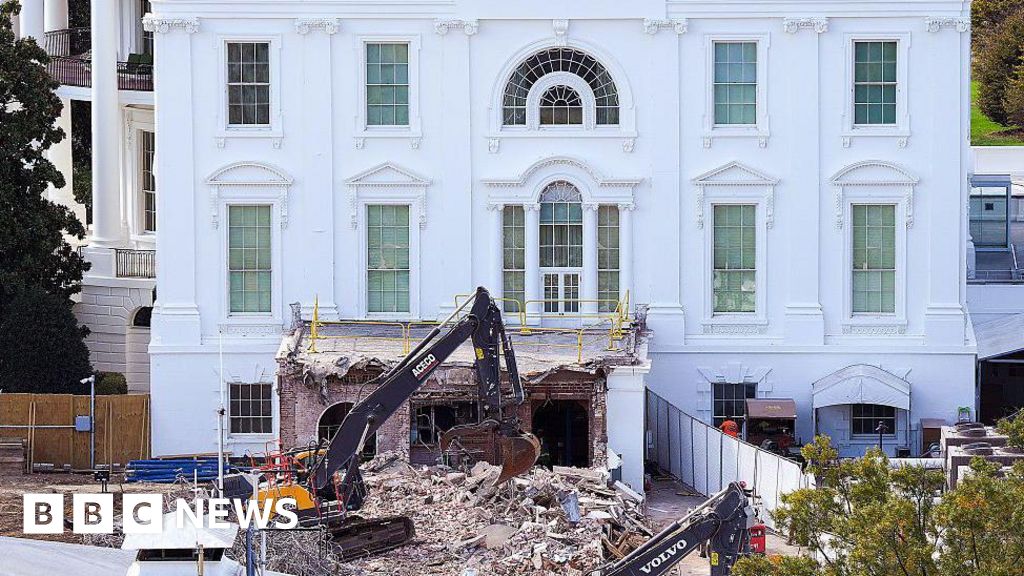
Federal court blocks ballroom construction, citing Congress's role.
Model Diplomat3 min readUnited States

Judge Blocks Trump White House Ballroom Project Without Congressional Approval
Federal court halts above-ground White House ballroom construction, citing need for explicit congressional authorization.
A federal judge ruled April 16 that the Biden administration cannot move forward with the above-ground portion of the planned new White House ballroom without clear, explicit congressional approval. Judge Richard Leon’s decision allows only underground work related to safety and security to continue, effectively delaying full construction indefinitely.
Why This Ruling Matters
At first glance, the dispute over a White House ballroom extension might seem like a minor bureaucratic spat. But this case speaks to bigger issues of executive authority, budget oversight, and the separation of powers in U.S. governance.
According to the judge’s ruling, the White House cannot unilaterally repurpose funds or reclassify the project under security justifications to circumvent Congress. This highlights an ongoing tension over executive branch spending, especially on high-profile projects tied to the presidency personally or symbolically.
The project was originally pitched under the Trump administration as a necessary update for hosting official events and enhancing security, but it has faced skepticism from Congress, which controls the purse strings. Judge Leon—appointed by Trump—emphasized that "even the executive branch must follow established appropriations processes." This serves as a check on presidential overreach, enforcing congressional prerogatives in government construction and spending.
This ruling echoes previous confrontations where Congress pushed back on executive attempts to act without legislative approval, like the Trump administration’s efforts to fund border wall construction using defense funds in 2019. It reinforces a precedent that the executive cannot act alone on significant structural or financial government changes without legislative mandate.
Broader Implications for White House Renovations
White House renovations typically involve a mix of historical preservation, security upgrades, and public diplomacy considerations. Any major construction carries symbolic weight, reflecting the sitting administration’s priorities and political capital.
Delays to the ballroom project mean the White House must continue to host major events in existing spaces with limited capacity. It also impacts contractors, the historic preservation community, and security planners who must recalibrate their timelines.
Congressional approval for this project now forms a political gatekeeper moment: will lawmakers authorize funding and scope soon, or use this as leverage in wider budget or political battles? Republicans, who control parts of Congress, might view this as a chance to impose stricter limits on the Biden administration's executive actions.
What to Watch Next
- Congressional Action: Watch for forthcoming hearings or appropriations language in Congress on the ballroom project. Any explicit approval or rejection will signal Congressional willingness to assert spending oversight or defer to the White House.
- Political Battlelines: This dispute will become a flashpoint in broader executive-legislative tensions, especially leading into the 2026 midterms, as Republicans may exploit the ruling to highlight alleged Biden administration overreach.
- Security Rationale: The White House insists underground work enhances national security, but Judge Leon’s partial approval sets strict limits. How administration officials justify and frame these security claims will be telling.
- Oversight Precedents: This case will be cited in future disputes involving executive branch construction or reprogramming of funds, strengthening Congress’s hand in budgetary control.
For those following U.S. governance and executive power debates, this ruling is a clear reminder: even at the symbolic center of American power, no president can rewrite the rules on spending and construction without Congress.
Learn more about the evolving dynamics of U.S. Politics and the intricate checks and balances shaping administration priorities.
Discover more
Global Politics
Judge Halts Trump's White House Ballroom Plan
A federal judge blocks aboveground work on Trump's White House ballroom over missing congressional approval, while letting an underground bunker proceed.

US Politics
Judge Limits Trump's White House Ballroom
A federal judge curtailed Trump's White House ballroom expansion, permitting only underground construction amid legal challenges and preservation concerns.

US Politics
Judge Blocks Trump's White House Ballroom Bid
A federal judge halted Trump's White House ballroom construction, a ruling that underscores judicial checks on presidential power and congressional oversight.

Economics
Fed's Amex AML order puts correspondent banking on notice
Federal Reserve's Amex AML order requires board-level controls and a 90-day plan; OCC fined the bank $350 million over enterprise-wide deficiencies.