Judge Limits Trump's White House Ballroom
Judge restricts Trump's ballroom project to underground work only.
Model Diplomat2 min readUnited States

Federal Judge Curbs Trump’s White House Ballroom Expansion
Judge limits Trump’s White House ballroom construction to an underground section, halting the massive aboveground addition planned for VIP events.
A federal judge has sharply curtailed construction on former President Donald Trump’s controversial White House ballroom expansion, allowing work only on an underground section deemed essential by military planners. The ruling explicitly prohibits building the proposed 90,000-square-foot aboveground event space designed for high-profile entertaining and political gatherings.
Why the Ballroom Project Sparked Legal Battles
The ballroom expansion was pitched as a modernization effort to restore and augment historic event spaces at the White House. However, from the outset, critics flagged it as a vanity project that would dramatically alter the mansion’s character and raise security, zoning, and cost concerns. The scale of the aboveground addition—roughly the size of a professional basketball court—was unprecedented for a building with such historic and diplomatic prominence.
Federal regulators and preservationists worried the project would obstruct iconic views, destabilize the structure, and violate both National Historic Preservation Act and White House grounds use policies. Lawsuits quickly followed, arguing the project’s aboveground construction exceeded legal authority and ignored environmental and security protocols. The military weighs in on White House construction due to the President’s permanent residence and associated defense requirements, making their veto of aboveground work a decisive factor.
This ruling confirms those concerns. By allowing only underground work, the judge defuses the dispute over the ballroom’s visual and heritage impact while accommodating functional space upgrades the military insists are necessary for secure communications and logistics.
The Political and Symbolic Stakes
Trump’s White House tenure ended amid fierce polarization, and the ballroom became a focal point in debates over his post-presidency influence and presence in the capital. Supporters view the project as a legitimate upgrade for hosting dignitaries, carrying symbolic weight as a marker of a legacy still physically imprinted on the presidency.
Detractors see it as emblematic of Trump’s continued personal imprint on federal spaces, using public resources for private aggrandizement. The judge’s partial restriction signals judicial wariness of allowing permanent and expansive alterations without thorough review, particularly linked to a figure as polarizing as Trump.
The decision resonates beyond construction blueprints. It touches on how former presidents can shape national symbols and what limits the legal system should impose on public property use post-office.
What to Watch Next
Trump’s team will likely assess options for appeal, potentially framing the military’s underground construction mandate as an unnecessary bureaucratic hurdle. Meanwhile, preservationists and congressional overseers will watch closely for compliance and transparency in executing just the approved underground work. This case may set precedent on executive residence modification and historic sites management going forward.
More broadly, this ruling impacts debates on the politicization of Washington’s architecture and how the legal system mediates ongoing post-presidency influence.
For a deeper dive into how U.S. politics intersect with institutions like the White House, see our United States political landscape briefing.
Source: Washington Post, April 16, 2026
Discover more
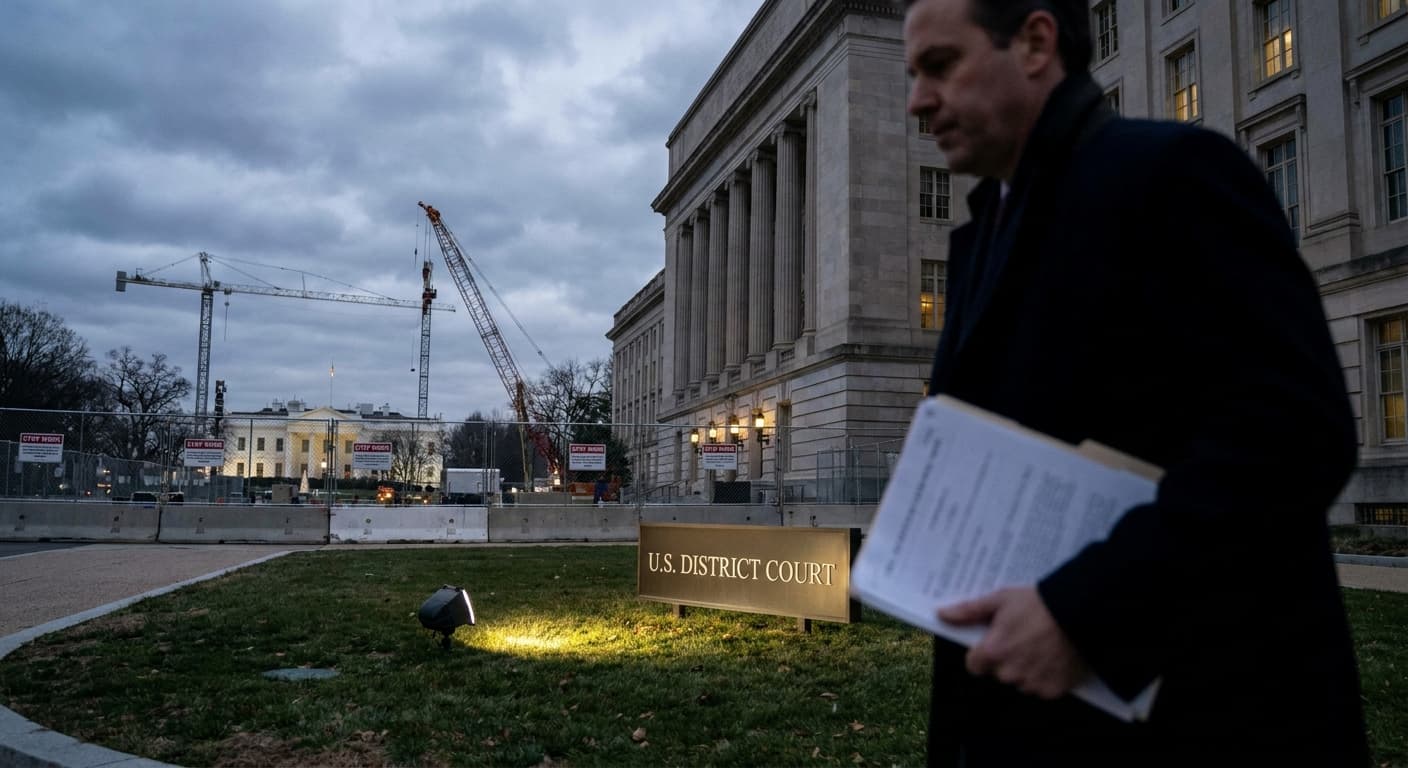
Global Politics
Judge Blocks Above-Ground White House Project
A federal judge halted the above-ground White House ballroom expansion while allowing underground security work, spotlighting a clash over preservation.
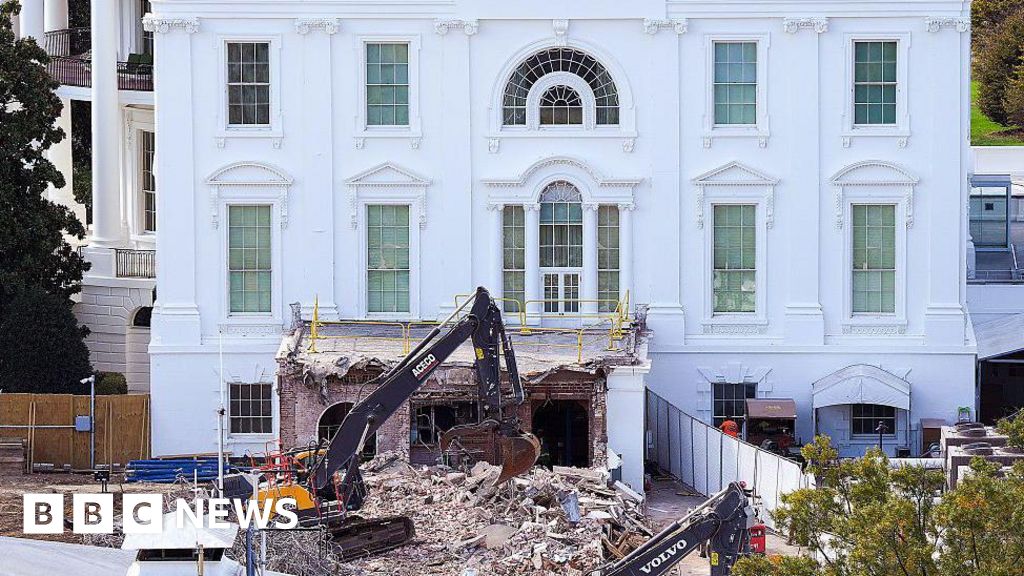
Global Politics
Judge Halts Trump's White House Ballroom Plan
A federal judge blocks aboveground work on Trump's White House ballroom over missing congressional approval, while letting an underground bunker proceed.

US Politics
Judge Blocks Trump's White House Ballroom Bid
A federal judge halted Trump's White House ballroom construction, a ruling that underscores judicial checks on presidential power and congressional oversight.

Economics
Fed's Amex AML order puts correspondent banking on notice
Federal Reserve's Amex AML order requires board-level controls and a 90-day plan; OCC fined the bank $350 million over enterprise-wide deficiencies.