Shakti Bill: Gaikwad Challenges Fadnavis
Congress pressures Maharashtra government on women's safety issues.
Model Diplomat3 min readAsia
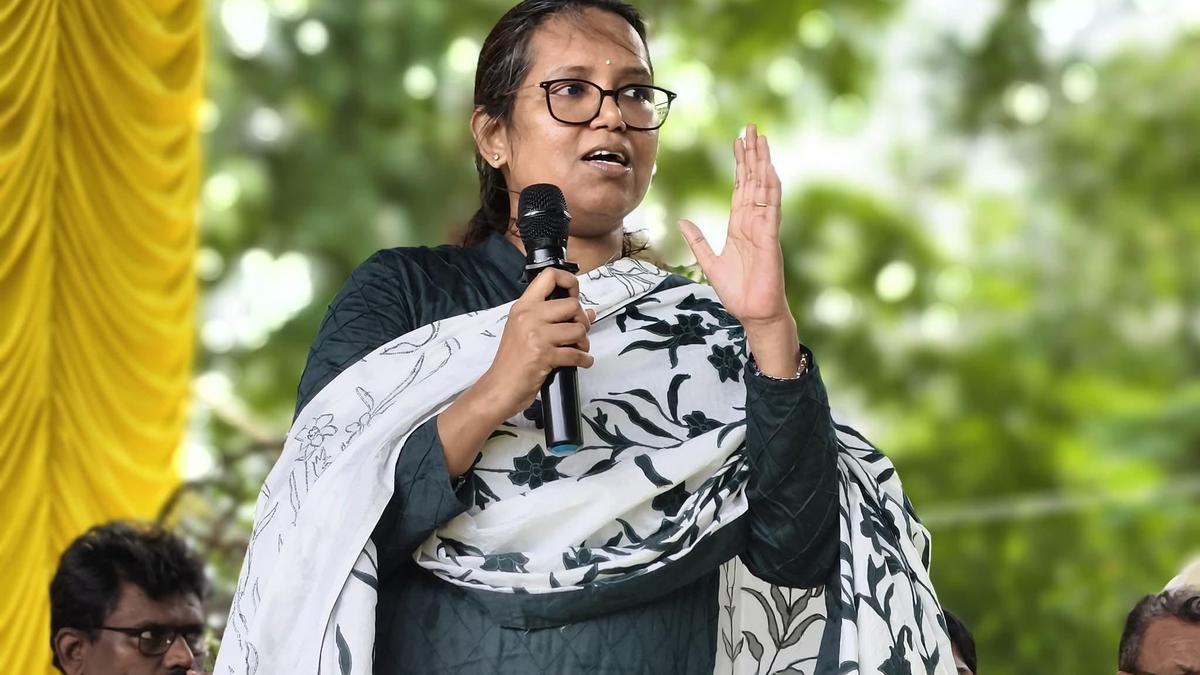
Gaikwad Turns Shakti Bill Into Test for Fadnavis
Congress is using the Nasrapur outrage to force Maharashtra’s BJP-led government to answer for women’s safety, not just announce fresh policing steps.
Varsha Gaikwad’s letter to Governor Jishnu Dev Varma is less about the Governor than about pressure: the Congress wants Maharashtra’s law-and-order crisis pinned directly on Devendra Fadnavis. In her May 5 letter, the Mumbai Congress president and MP asked for “immediate enactment” of the Shakti Bill and strict action on crimes against women, citing the alleged rape and murder of a four-year-old in Nasrapur, Pune district, and arguing that girls are unsafe in schools and women in their homes, according to The Hindu.
Why the bill has become politically useful
The Shakti Criminal Laws (Maharashtra Amendment) Bill, 2020 was passed by both Houses of the state legislature in 2021, but it is still waiting for Presidential assent, The Hindu reported. That delay is the core of the dispute. The opposition is treating the bill as a ready-made deterrent package — with harsher penalties and faster investigations — while the state government is constrained by the fact that a governor cannot simply “enact” a pending bill that still needs Centre clearance.
That matters because the BJP has already signalled a different route. On May 5, Fadnavis ordered drafting of a stricter law to bar parole for sex offenders, citing repeat offenders and past court setbacks, The Hindu reported. In other words, the government is trying to show it is acting, but through narrower, legally safer changes rather than reviving Shakti in its original form.
What changed after the Centre pushed back
The Shakti debate did not begin with this week’s protest. In February 2025, Fadnavis said the state would review the bill because the Centre had objected to parts of it, and because new central criminal codes had already absorbed many of its provisions, The Hindu reported. That is the real policy bind: the opposition wants a tougher state law for political impact, but the Centre has already argued that much of the legal ground is covered under the Bharatiya Nyaya Sanhita framework.
So Gaikwad’s move is aimed at two audiences. It puts public pressure on the Governor and Raj Bhavan, but its real target is the state’s ruling coalition: if Maharashtra can draft new parole restrictions, the opposition argues, it should also stop hiding behind procedural delays on Shakti. The Congress gains by casting Fadnavis as responsible for the gap between rhetoric and enforcement; the government loses if it looks reactive, not decisive.
What to watch next
The next decision point is whether the state follows through on Fadnavis’s parole-focused draft or tries again to salvage Shakti with revised provisions. Watch for any fresh move from Raj Bhavan, but the real date that matters is the next cabinet or assembly step: that is where Maharashtra will signal whether it wants a political gesture or a legally durable law.
For the broader political frame, see India and
Global Politics.
Discover more
India
Congress Accuses Modi of Stalling Women's Law
Congress accuses Modi's government of delaying the women's reservation bill for political gain, risking women's representation in India.
India
Congress Advocates 33% Women’s Quota
YS Sharmila of Congress reaffirms 33% women's quota, accusing Modi of politicizing the issue amid delimitation talks.
India
BJP Congress Clash Over MP Bill Defeat
The defeat of a Constitution Amendment Bill in Madhya Pradesh sparks a fierce clash between BJP and Congress, highlighting political tensions ahead of 2027 elections.
Global Politics
Iran Demands US Enforce Ceasefire
Iran insists the US must enforce a ceasefire in Lebanon to uphold the MoU.