EU Urges US to Stabilize Steel Tariffs
EU calls for resolution on US steel tariffs to avoid escalation.
Model Diplomat2 min readEurope
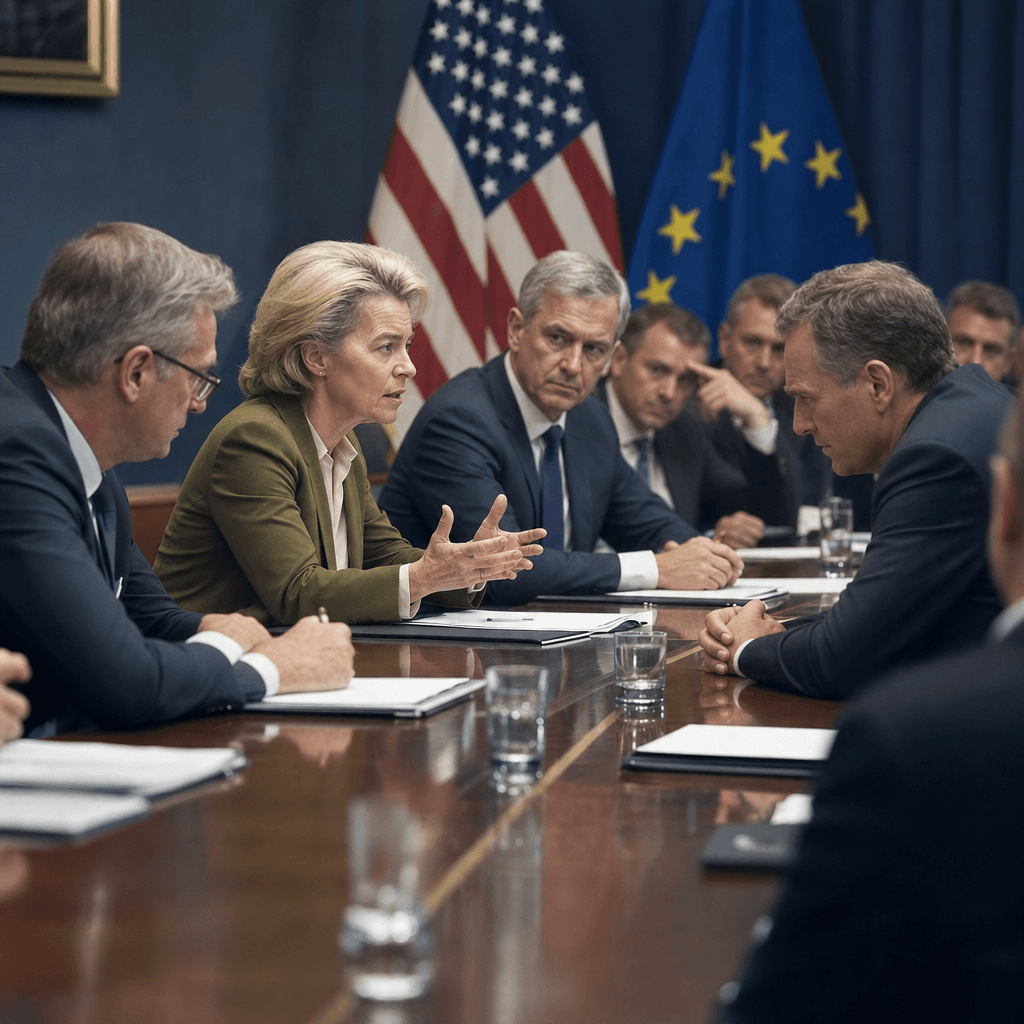
EU Pushes Back on US Tariff Moves Ahead of Trade Deadline
EU urges resolution as proposed US steel tariff hikes threaten stability and ongoing negotiations.
The European Union is pressing the United States to stabilize its trade relationship, particularly concerning steel and aluminum tariffs, as a critical deadline approaches. Brussels seeks to prevent further escalation of trade tensions, arguing that recent US actions undermine ongoing talks and global economic predictability. The call comes as the US administration weighs further tariff actions, a move the EU views as detrimental to a rules-based international trade system.
Restoring Trade Deal Stability
The current dispute centers on US President Donald Trump's administration's handling of steel and aluminum tariffs. The EU contends that recent proposals to double US tariffs on steel imports from 25% to 50% and the potential for tariffs to be reinstated through alternative legal mechanisms, such as Section 232 investigations, threaten to derail negotiations. Following a Supreme Court ruling that struck down previous tariff measures, the EU has expressed concern that the US administration might employ other legal instruments to re-impose similar trade restrictions. The EU views these actions as undermining efforts to reach a negotiated solution and seeks to uphold the integrity of existing trade frameworks and ongoing discussions, urging a return to stability that preserves the spirit of past agreements.
Source: EU 'strongly' regrets US plan to double steel tariffs
Power Dynamics and Affected Interests
The leverage in this dispute currently lies with the United States, which has initiated tariff measures and has the power to implement or alter them. The EU, while possessing the capacity to impose countermeasures, has paused such actions to facilitate negotiations, signaling a preference for a diplomatic resolution.
US steel producers stand to benefit from protectionist measures that reduce foreign competition. Conversely, US consumers and industries reliant on imported steel and aluminum face increased costs and reduced competitiveness. For the EU, the uncertainty created by US tariff policy disrupts its own industries and export capabilities. While the EU has also implemented its own tariffs to address global overcapacity, its primary interest is in achieving a stable, predictable, and multilateral trade environment.
Source: EU trade chief seeks 'positive traction' on US steel tariffs
What to Watch Next
The immediate focus is on the approaching deadlines for trade negotiations. With pressure mounting, the parties are closely watching the US administration’s decision on whether to proceed with the proposed tariff increases or explore alternative means of imposing trade restrictions. The EU's willingness to impose countermeasures will be a key factor if diplomatic efforts falter. Observers should monitor upcoming statements from both Washington and Brussels regarding compliance with existing trade law and any progress on aligning approaches to global steel overcapacity.
Source: As Trump’s tariffs are struck down, EU urges trade stability – POLITICO
Discover more

Global Politics
US Seizes Iranian Ship, Tensions Surge
The US seizure of the Iranian ship Touska highlights a shift in control over the Strait of Hormuz, favoring Iran's strategic position.

Conflict & Security
Drone Warfare Killing Aid Workers at Unprec
Over 1,000 humanitarian workers killed in three years as cheap armed drones collapse legal protections. Gaza, Sudan, Ukraine, and DRC see deliberate targeting of aid convoys and hospitals with zero prosecutions.
Global
World Normalises Taliban as Afghan Women Eras
UN data shows Afghan women erased from public life as Russia recognises the Taliban, EU hosts officials in Brussels, and ICC warrants for gender persecution go unenforced.
Conflict & Security
West Africa Food Crisis: Three Shocks in 2026
Conflict, climate extremes, and the Strait of Hormuz closure drive a severe food crisis in West and Central Africa, with fertilizer prices surging 80% and millions displaced.