Pope Leo's Press Freedom Day Appeal
Pope Leo highlights the plight of journalists on Press Freedom Day
Model Diplomat2 min readGlobal
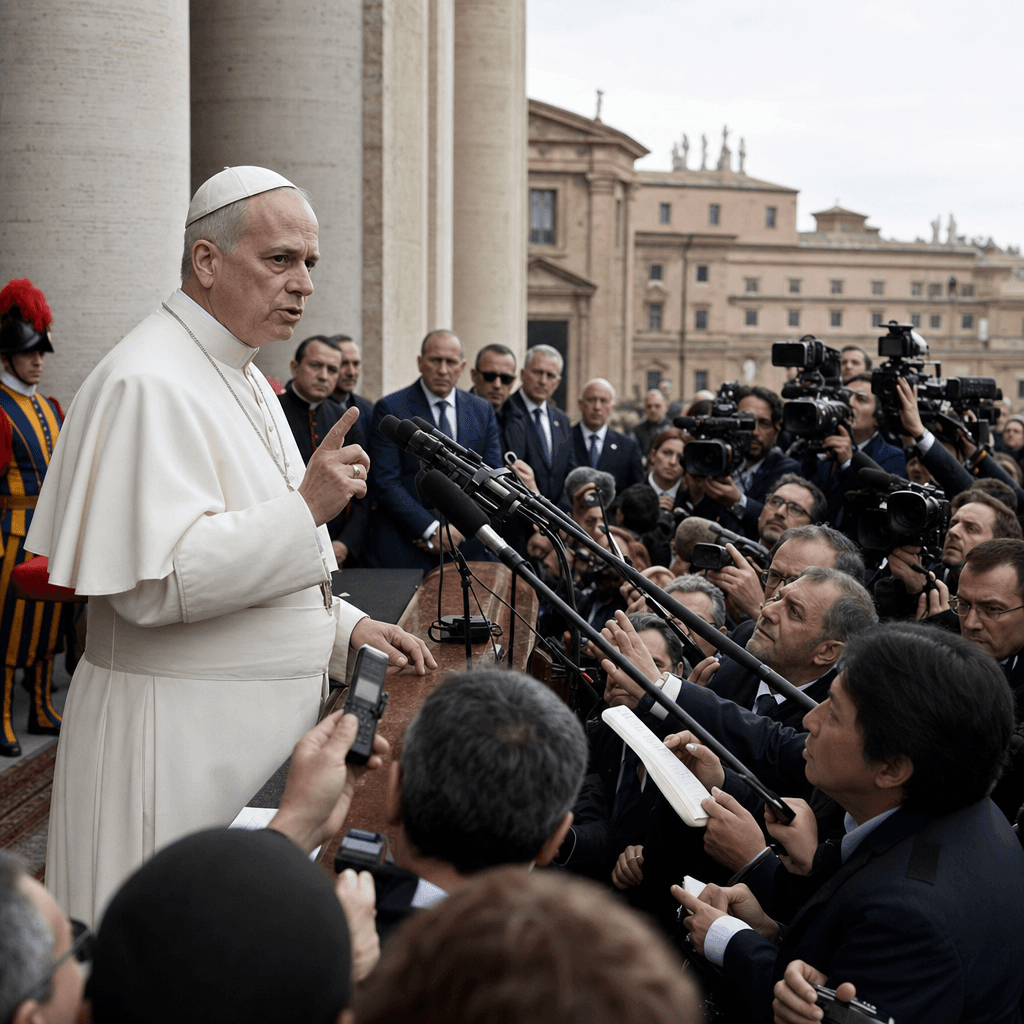
Pope Leo Turns Press Freedom Day Into a Pressure Point
By centering killed and jailed reporters, Pope Leo raises the political cost of restricting war coverage as press freedom hits a 25-year low.
Pope Leo used World Press Freedom Day to increase pressure on governments restricting media access and tolerating violence against reporters. After the Sunday Regina Coeli in Vatican City, he condemned violations of media freedom worldwide and paid tribute to journalists killed while covering conflict, putting the Vatican publicly on the side of independent war reporting at a moment when access and safety are both deteriorating. On World Press Freedom Day, Pope honours journalists killed in ...
Why the intervention matters
Leo’s leverage is reputational, not coercive. That is precisely why this matters: states and armed actors gain when independent witnesses are absent, while local reporters, opposition media, and families of detainees lose. A papal intervention does not change battlefield access or prison conditions overnight, but it raises the diplomatic and political cost of defending censorship as routine security policy.
The backdrop is worsening fast. Reporters Without Borders said global press freedom in 2026 fell to its lowest level in 25 years, with more than half of countries rated “difficult” or “very serious.” Press freedom worldwide falls to its lowest level in 25 years The violence is not abstract: AP reported that 126 media workers were killed in 2025 by early December, and at least 323 journalists were imprisoned worldwide.
A rough year for journalists in 2025, with a little hope
The live test case is access to war zones
The clearest case behind Leo’s language is Gaza. A coalition including AP, Reuters, BBC, CNN, The New York Times, and The Washington Post has urged Israel to lift its ban on independent foreign reporting from Gaza, arguing that current restrictions prevent verification and force local Palestinian journalists to absorb most of the risk. Media leaders ask Israel to lift ban on independent Gaza reporting Israel’s position is that access limits are tied to military and safety concerns in an active combat zone.
Media leaders ask Israel to lift ban on independent Gaza reporting
Leo did not name a government. He did something more portable: he linked press freedom, war, and public truth in one frame. For readers tracking the broader pattern in Global Politics and
Conflict, that is the key shift. Press freedom is no longer a parallel rights issue; it is increasingly a contest over who controls the narrative space around war.
What to watch next
Watch whether Leo moves from universal language to named cases: detained reporters, blocked access, or disputed killings. That is the next escalation point. General appeals create moral pressure. Specific cases force governments to answer.
Discover more
India
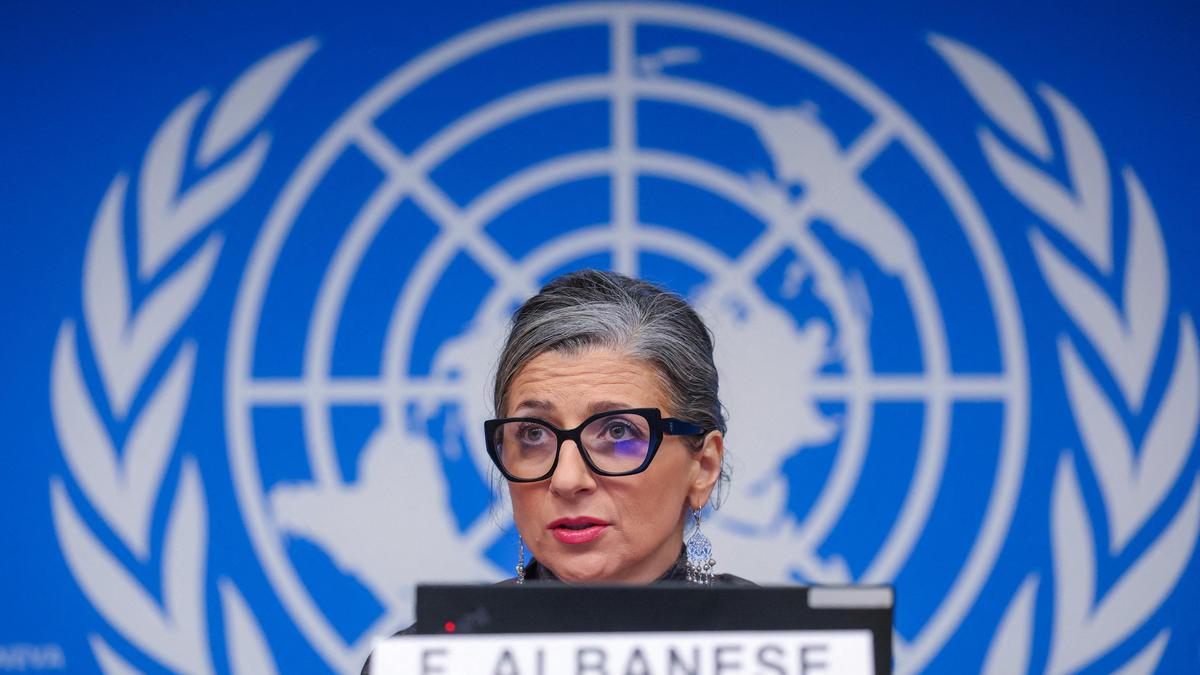
UN Expert Albanese: India Violates Law
UN Rapporteur Francesca Albanese accuses India of breaching international law, spotlighting human rights concerns in Kashmir and prompting diplomatic pushback.
India
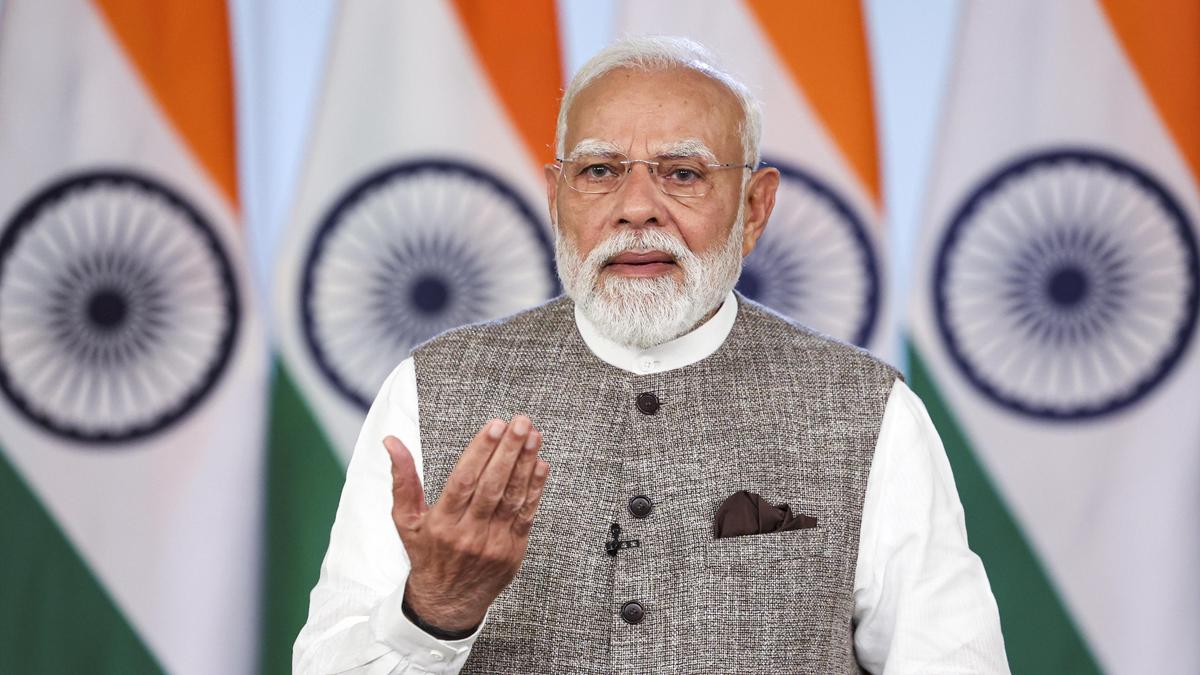
700 Activists Accuse PM Modi of MCC Breach
Over 700 activists allege PM Modi breached election code with a televised address attacking opposition parties just before state elections.

Conflict & Security
Drone Warfare Killing Aid Workers at Unprec
Over 1,000 humanitarian workers killed in three years as cheap armed drones collapse legal protections. Gaza, Sudan, Ukraine, and DRC see deliberate targeting of aid convoys and hospitals with zero prosecutions.
Global
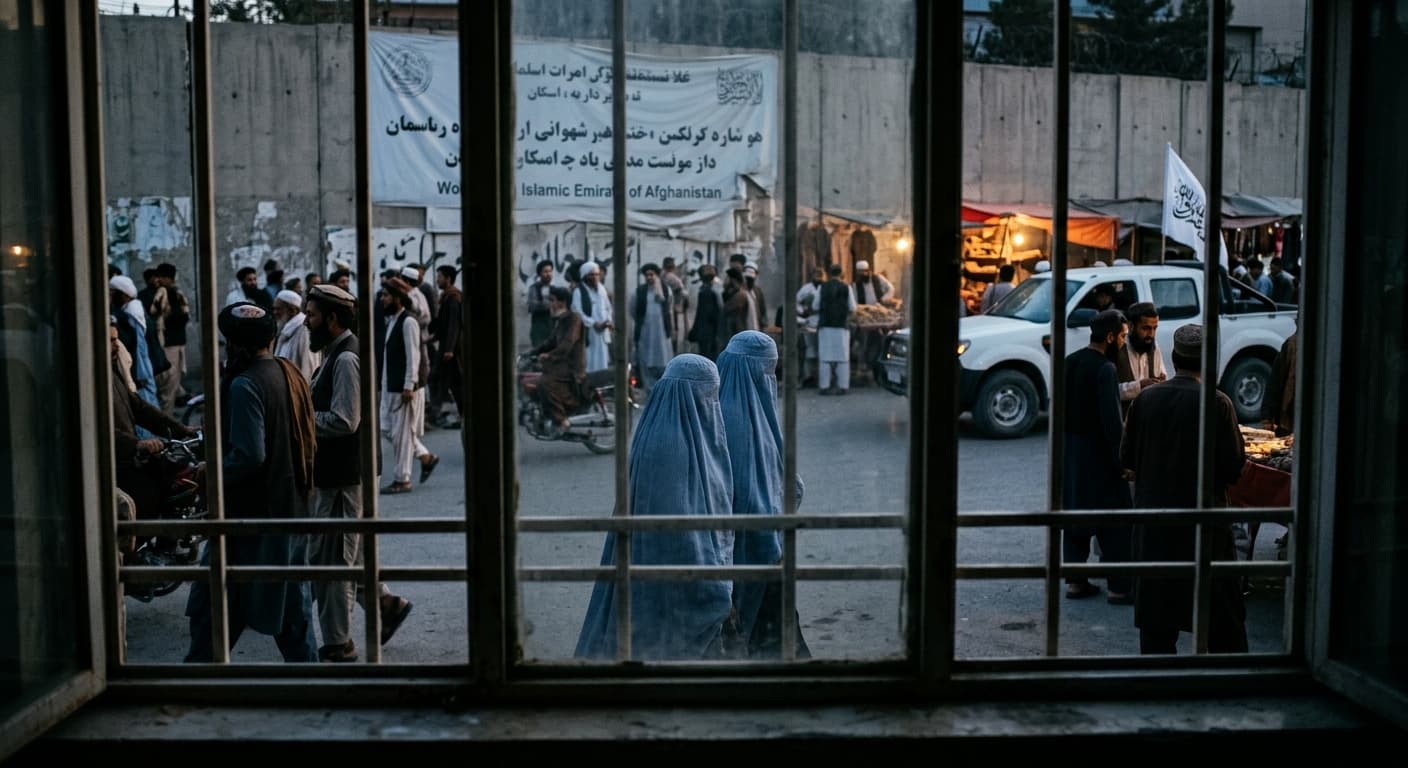
World Normalises Taliban as Afghan Women Eras
UN data shows Afghan women erased from public life as Russia recognises the Taliban, EU hosts officials in Brussels, and ICC warrants for gender persecution go unenforced.