EU Ministers Discuss Russia Strategy
Kyiv seeks a stronger European role in diplomacy.
Model Diplomat3 min readEurope
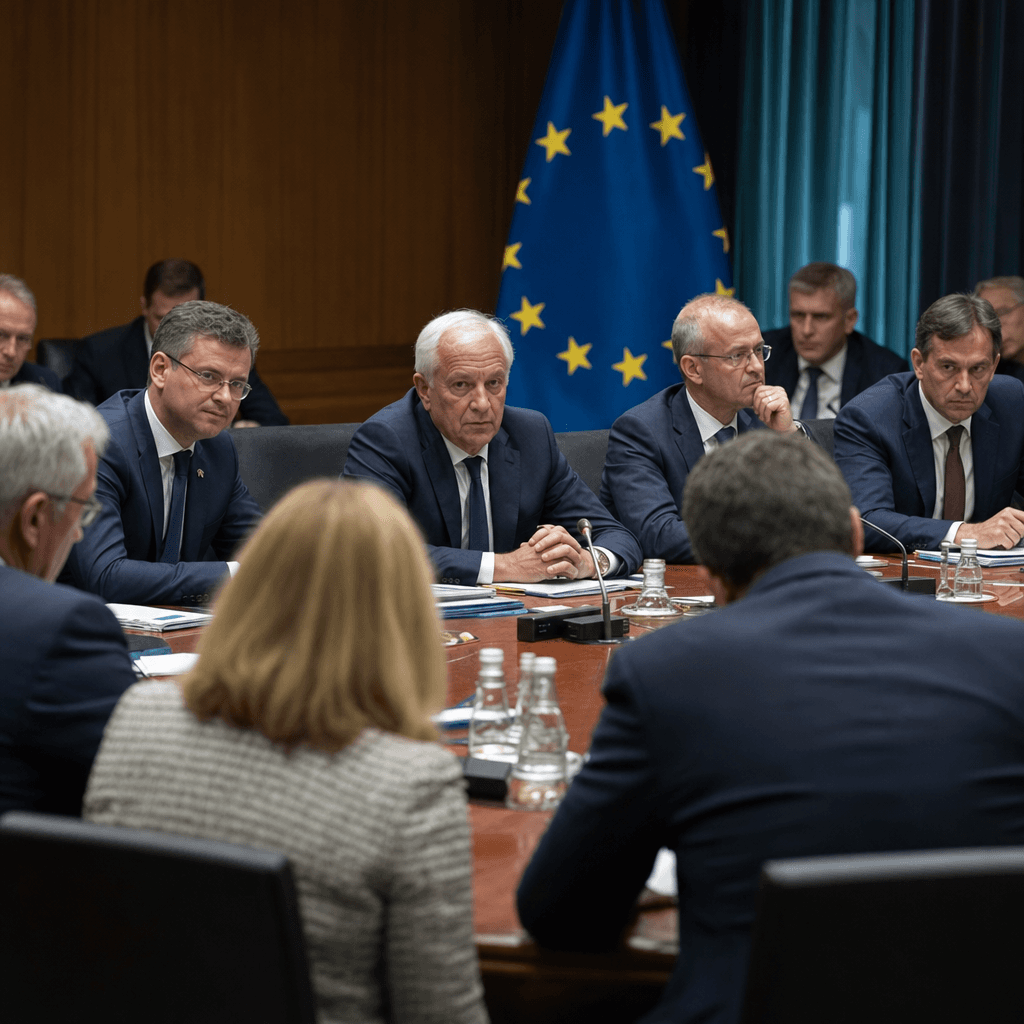
EU Ministers Test Russia Strategy as Kyiv Seeks a Seat
Kaja Kallas wants the EU to define its demands on Russia before any talks. Kyiv is trying to lock Europe into the diplomacy, not just the aid pipeline.
EU foreign ministers are set to discuss the bloc’s Russia strategy as Kyiv pushes for a bigger European role, with EU foreign policy chief Kaja Kallas arguing that ministers should first agree what they want from Moscow before any contact is considered, Reuters reports. Brussels is trying to preserve leverage by deciding the terms of engagement before Russia can shape the format or the personnel of any future talks. Kallas has already pushed back on Vladimir Putin’s suggestion that former German chancellor Gerhard Schroeder could mediate, saying Europe should not allow Russia to appoint a negotiator on its behalf, according to
HINA and
ERR.
Brussels is trying to set the rules first
That sequencing matters. Moscow benefits if any peace channel becomes a bilateral U.S.-Russia track, because it can bypass the EU while leaving Europeans to absorb the sanctions, reconstruction, and security costs. By insisting on “what to talk about” before “who talks,” Kallas is signaling that the EU wants to enter any Russia file as a rule-setter, not as an afterthought, Reuters reports.
The Schroeder angle is not a sideshow. Putin’s preference for the former German chancellor underscores how much the Kremlin still tries to exploit European political fractures and legacy networks, while Kallas’s rejection shows the new EU line is about denying Moscow that choice, HINA and
ERR report. For a policymaker, the signal is simple: the EU is treating any future Russia dialogue as a power contest over format, not a search for a neutral messenger.
Kyiv wants Europe in the room, not just on the bill
Ukraine’s push for a European role is about ensuring that Europe is not reduced to a financing arm for decisions made elsewhere. In April, Ursula von der Leyen, Antonio Costa and Volodymyr Zelenskyy urged moving Ukraine’s accession talks forward “without delay,” and Kallas said Ukraine is on the membership path, according to EFE. That means Brussels is already entangled in the endgame through enlargement, not just through sanctions and weapons.
The money reinforces the leverage. Kallas has said Ukraine can expect the first tranche of the EU’s €90 billion joint loan in early June, according to BTA. That gives the EU a concrete tool: it can tie diplomatic posture to budget support, and tie both to the next round of sanctions pressure. Ukraine benefits from that linkage because it strengthens Kyiv’s claim that Europe should help shape any settlement it is expected to sustain.
What to watch next
The next decision point is whether ministers converge on a common list of demands for Russia or settle for a loose political declaration, Reuters reports. Watch early June, when the EU’s Ukraine financing timetable and any follow-on sanctions moves come due,
BTA says. If Brussels shows unity on both money and messaging, it gains negotiating weight; if it splinters, Moscow will have a clearer path to keep Europe on the margins of the war’s political settlement.
Discover more
India
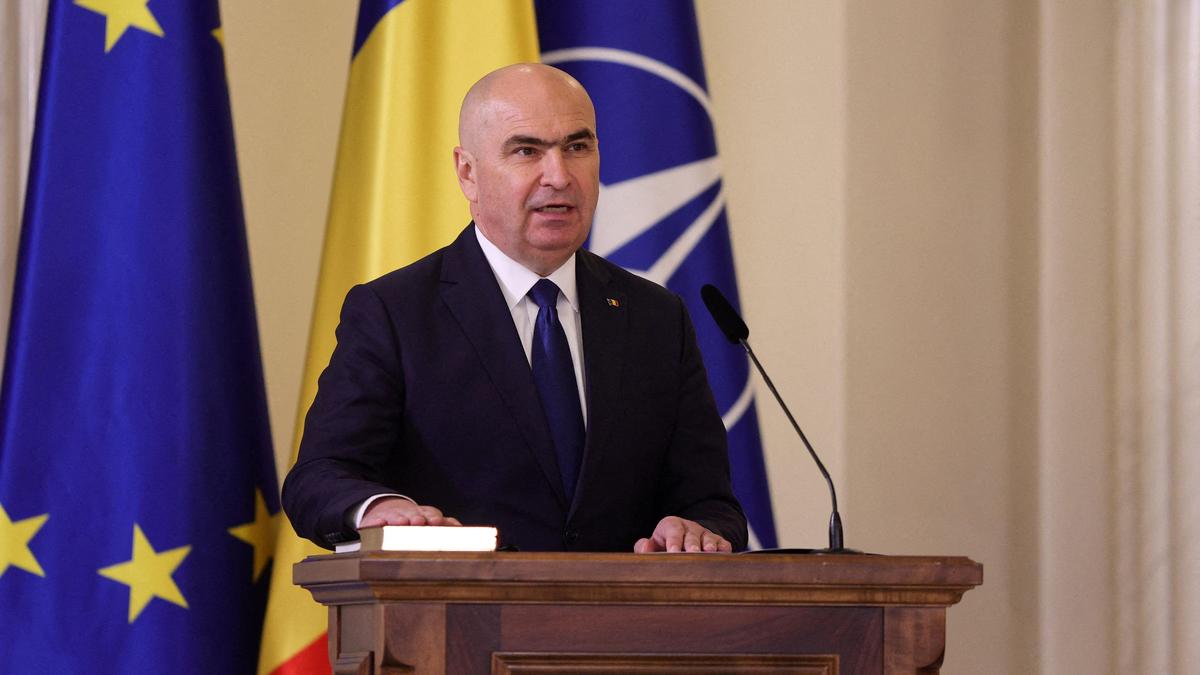
Romanian Coalition Party Demands PM Resign
Romania's Social Democrats withdrew from coalition, joining far-right AUR to topple PM Bolojan, risking €10 billion in EU funds by August 2026.

Conflict & Security
Drone Warfare Killing Aid Workers at Unprec
Over 1,000 humanitarian workers killed in three years as cheap armed drones collapse legal protections. Gaza, Sudan, Ukraine, and DRC see deliberate targeting of aid convoys and hospitals with zero prosecutions.
Global
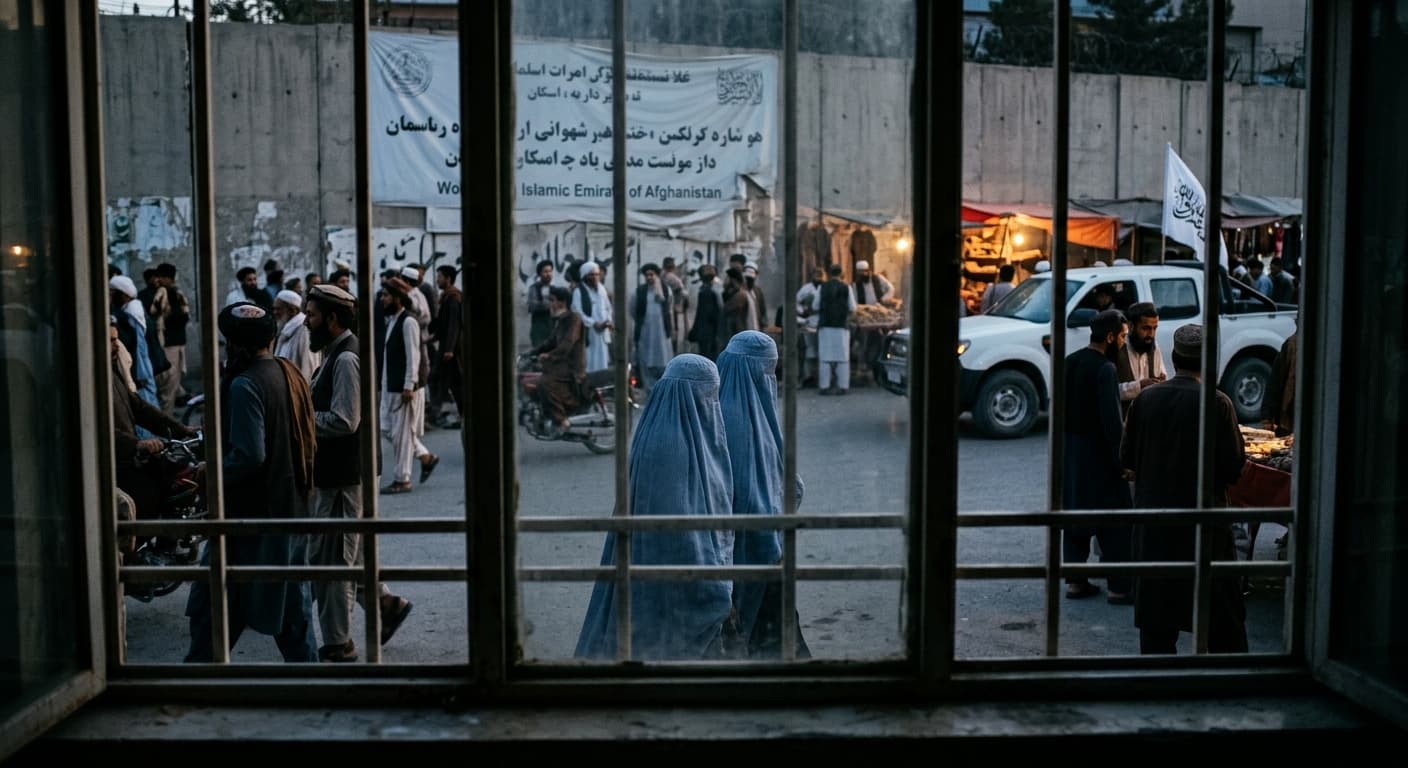
World Normalises Taliban as Afghan Women Eras
UN data shows Afghan women erased from public life as Russia recognises the Taliban, EU hosts officials in Brussels, and ICC warrants for gender persecution go unenforced.
Conflict & Security
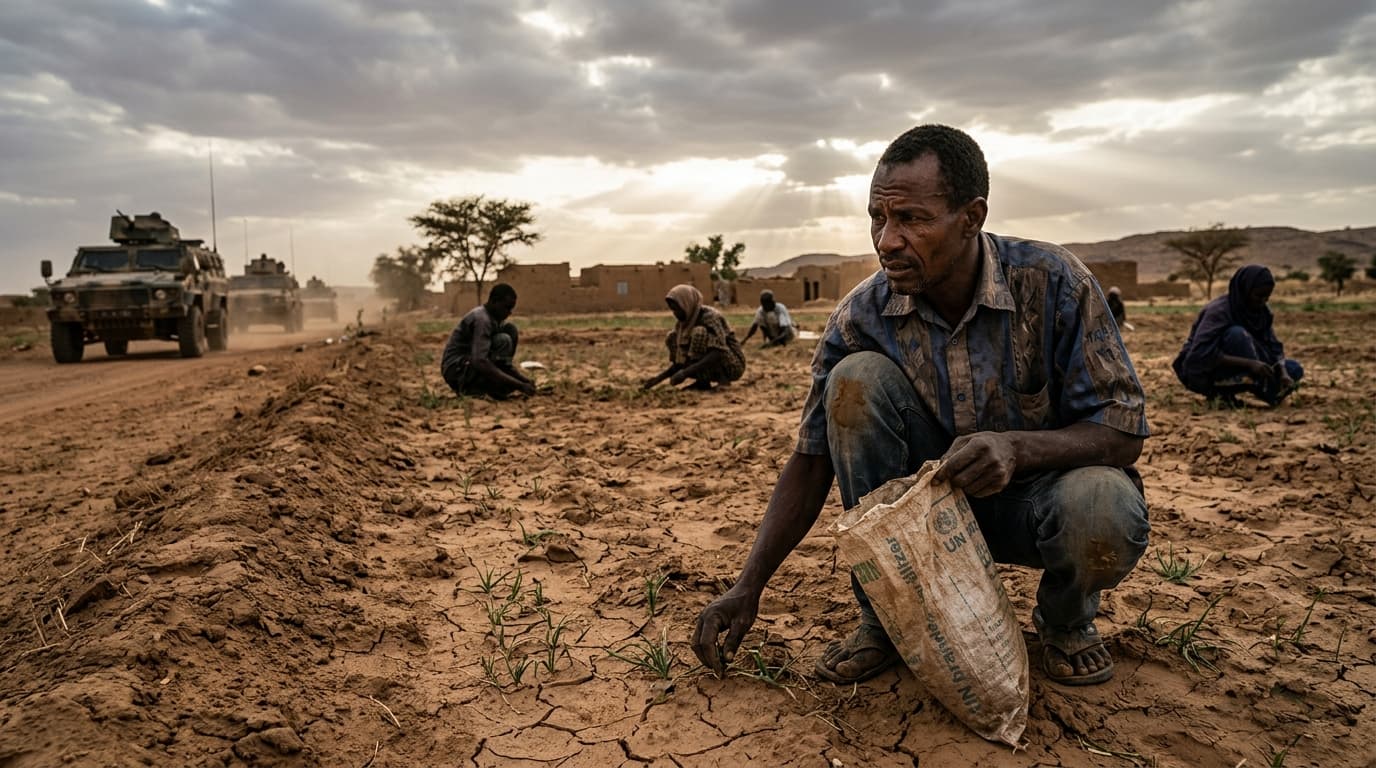
West Africa Food Crisis: Three Shocks in 2026
Conflict, climate extremes, and the Strait of Hormuz closure drive a severe food crisis in West and Central Africa, with fertilizer prices surging 80% and millions displaced.