Kanimozhi Accuses BJP of Exploiting Women
Kanimozhi calls out BJP's tactics on women's political representation
Model Diplomat3 min readIndia
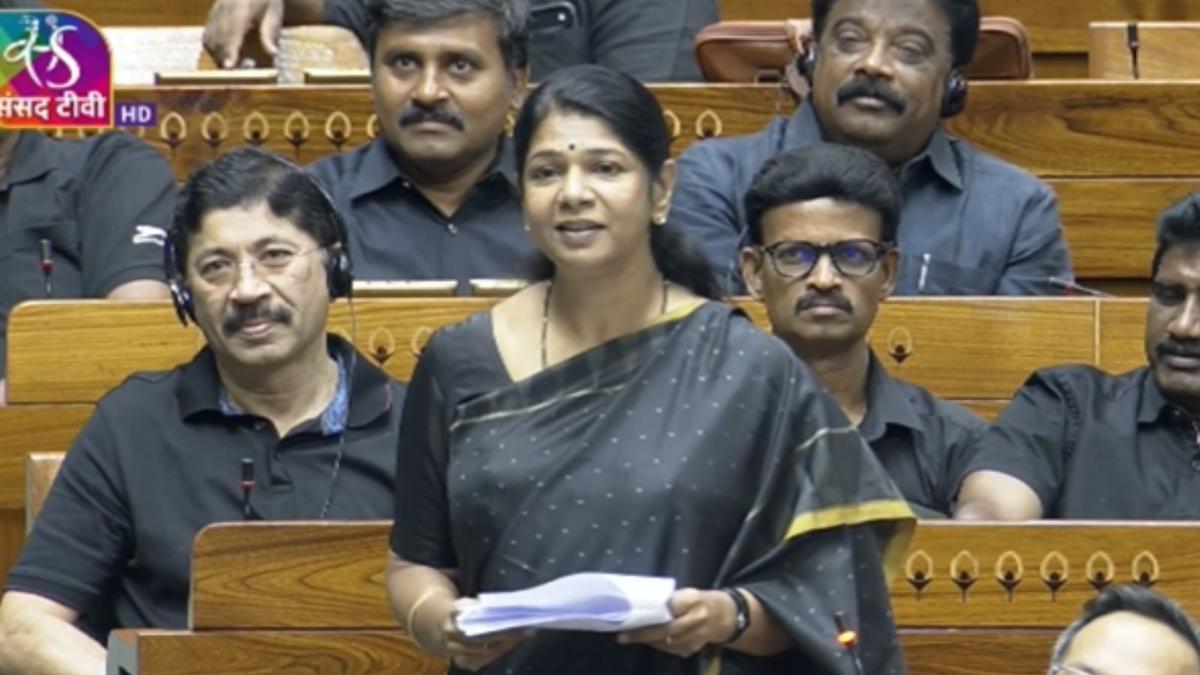
BJP Using Women as Shield for Electoral Ambitions, Says DMK MP Kanimozhi
DMK’s Kanimozhi accused the BJP of exploiting women’s issues for political gain and renewed calls for the Women’s Reservation Act without linking it to delimitation.
In a fiery Lok Sabha speech on April 16, 2026, DMK MP Kanimozhi alleged that the Bharatiya Janata Party (BJP) is using women as a political shield to further its electoral ambitions. She pressed the government to implement the long-pending Women’s Reservation Act from 2029 with the current 543-seat Parliament and rejected any precondition tying women’s political representation to the delimitation process, a politically charged and delayed issue.
Why This Matters: Women’s Reservation at a Political Crossroads
The Women’s Reservation Act, formally known as the Constitution (108th Amendment) Bill, proposes reserving 33% of seats in the Lok Sabha and state legislative assemblies for women. Passed by the Rajya Sabha in 2010, it has languished in the Lok Sabha ever since, largely due to opposition from various political quarters, including the BJP.
Kanimozhi’s challenge comes amid heightened national debate over women’s political empowerment and internal BJP calculations ahead of the 2029 general elections. By accusing the BJP of using women’s issues as a “shield,” she is tapping into a widely held perception in Indian politics that parties often champion progressive agendas rhetorically but stall tangible reforms when it threatens their vote calculations.
The BJP’s reluctance to decouple the Women’s Reservation Act from the delimitation exercise underlines this political calculus. Delimitation—redrawing constituency boundaries based on census data—is a complex, sensitive process with major electoral implications, especially for BJP strongholds. The party’s insistence on linking these two matters appears to be a tactic to delay women’s reservation indefinitely.
The Stakes: Political Power and Representation
Implementing the Women’s Reservation Act without delimitation would grant women immediate and concrete representation changes. Given that the number of Lok Sabha seats is fixed at 543, a 33% reservation means around 179 seats would be filled by women MPs starting 2029. This could significantly reshape Parliament and state assemblies, forcing parties to identify and promote female leaders.
Kanimozhi’s call to activate the Act with the current seat structure removes a major institutional hurdle, pushing the government to choose between fulfilling its pro-women promises or continuing the stall tactics linked to delimitation. This legislative impasse is a litmus test of the BJP’s commitment to women’s empowerment, given Prime Minister Narendra Modi’s periodic assertions of support for gender inclusivity.
What to Watch Next
The BJP’s response in Lok Sabha over the coming weeks will reveal if it is willing to break the deadlock or continue deferring electoral reforms in a bid to protect its political turf. State-level BJP units, especially in politically sensitive areas like Uttar Pradesh and Madhya Pradesh, will also judge how far to push the delimitation-Women’s Reservation linkage amid public pressure.
Meanwhile, the DMK’s vocal push symbolizes broader southern opposition to BJP’s stalling tactics, indicating an emerging political alignment around women’s reservation outside the NDA coalition. Civil society and women’s groups will likely amplify these demands, turning the issue into a core part of political discourse as the 2029 elections approach.
This development is a revealing episode in India’s ongoing struggle over how to square democratic representation with entrenched political interests—a confrontation that touches not just gender politics but the very structure of parliamentary democracy itself.
For more on this and other political dynamics in India, explore India and
Global Politics.
DMK’s Kanimozhi slams BJP on women’s reservation, delimitation link
Discover more
India
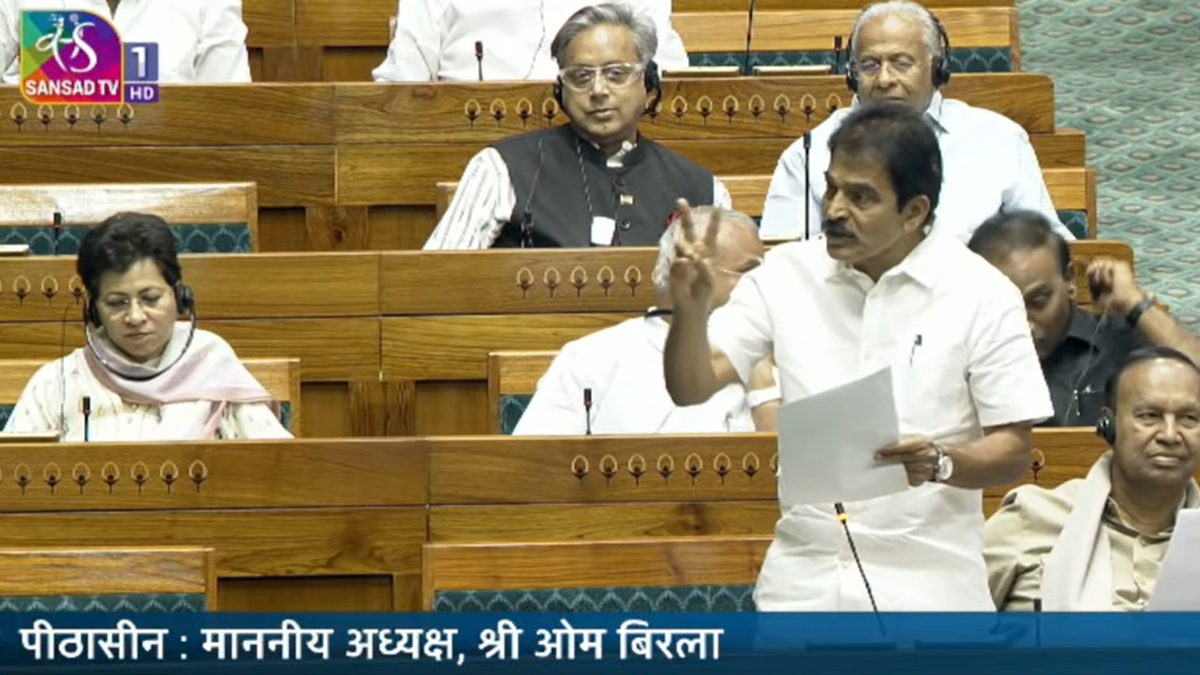
BJP's Women's Reservation Bill Controversy
The BJP faces backlash over the Women's Reservation Bill as the DMK accuses it of political exploitation during a heated and pivotal Lok Sabha session in Delhi.
India
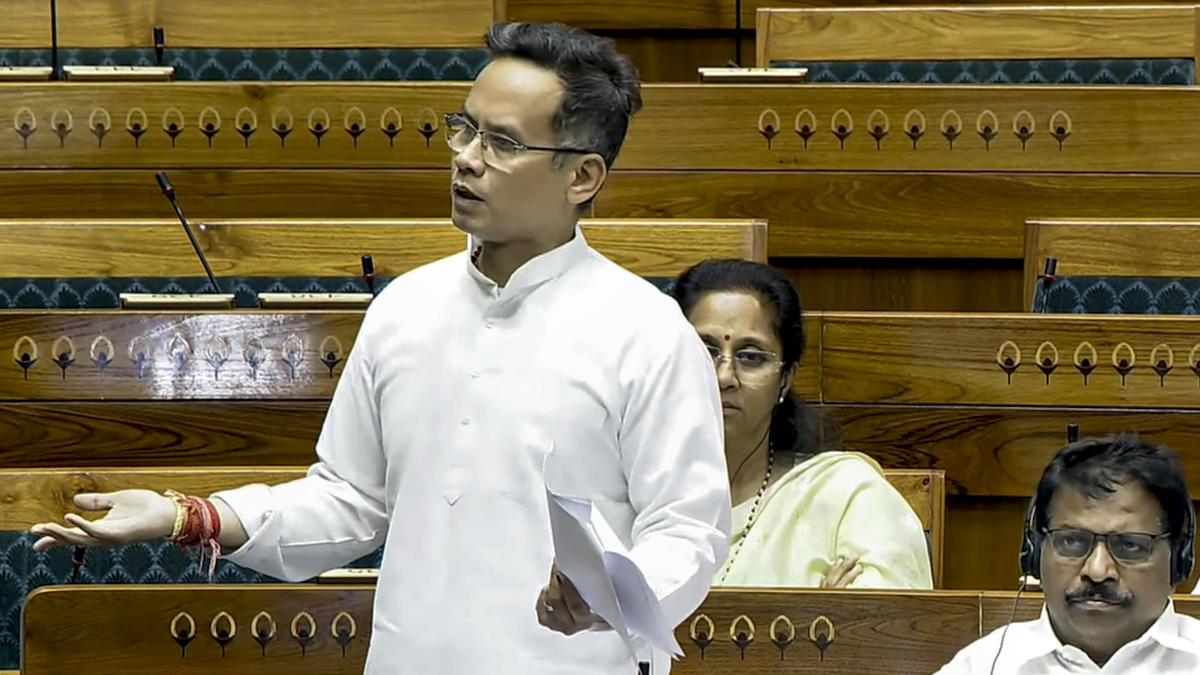
Congress: Modi's Delimitation Manipulation
Congress accused the Modi government of using delimitation to consolidate power in Jammu and Kashmir, urging it be separated from the women's reservation bill.
India
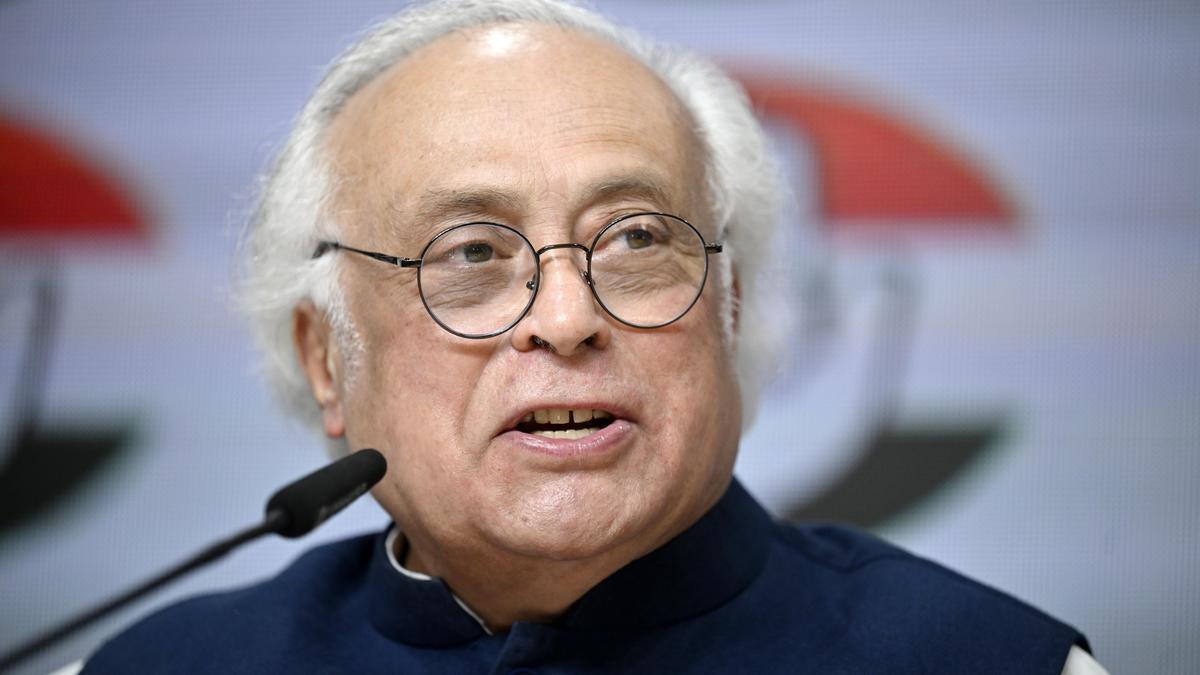
Congress Accuses Modi of Delimitation Deceit
Congress accuses Modi's government of deceit over delimitation, charging it skips a caste census and reshapes political dynamics to its favor before elections.

Conflict & Security
Drone Warfare Killing Aid Workers at Unprec
Over 1,000 humanitarian workers killed in three years as cheap armed drones collapse legal protections. Gaza, Sudan, Ukraine, and DRC see deliberate targeting of aid convoys and hospitals with zero prosecutions.